Discover with Pera – Carpets and Home Decoration


What is an Hypoallergenic Carpet? How to Choose One? Here are the things to consider.
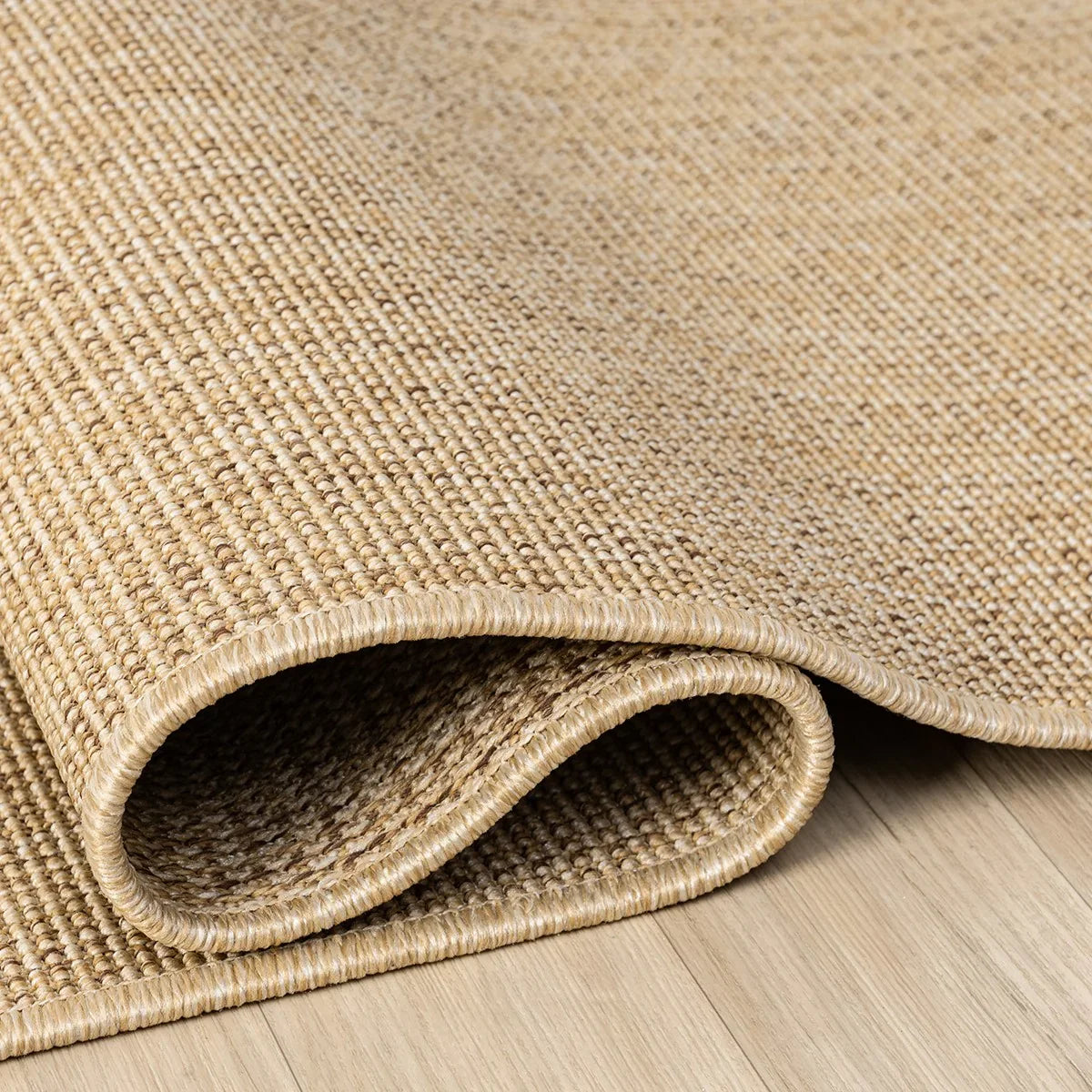
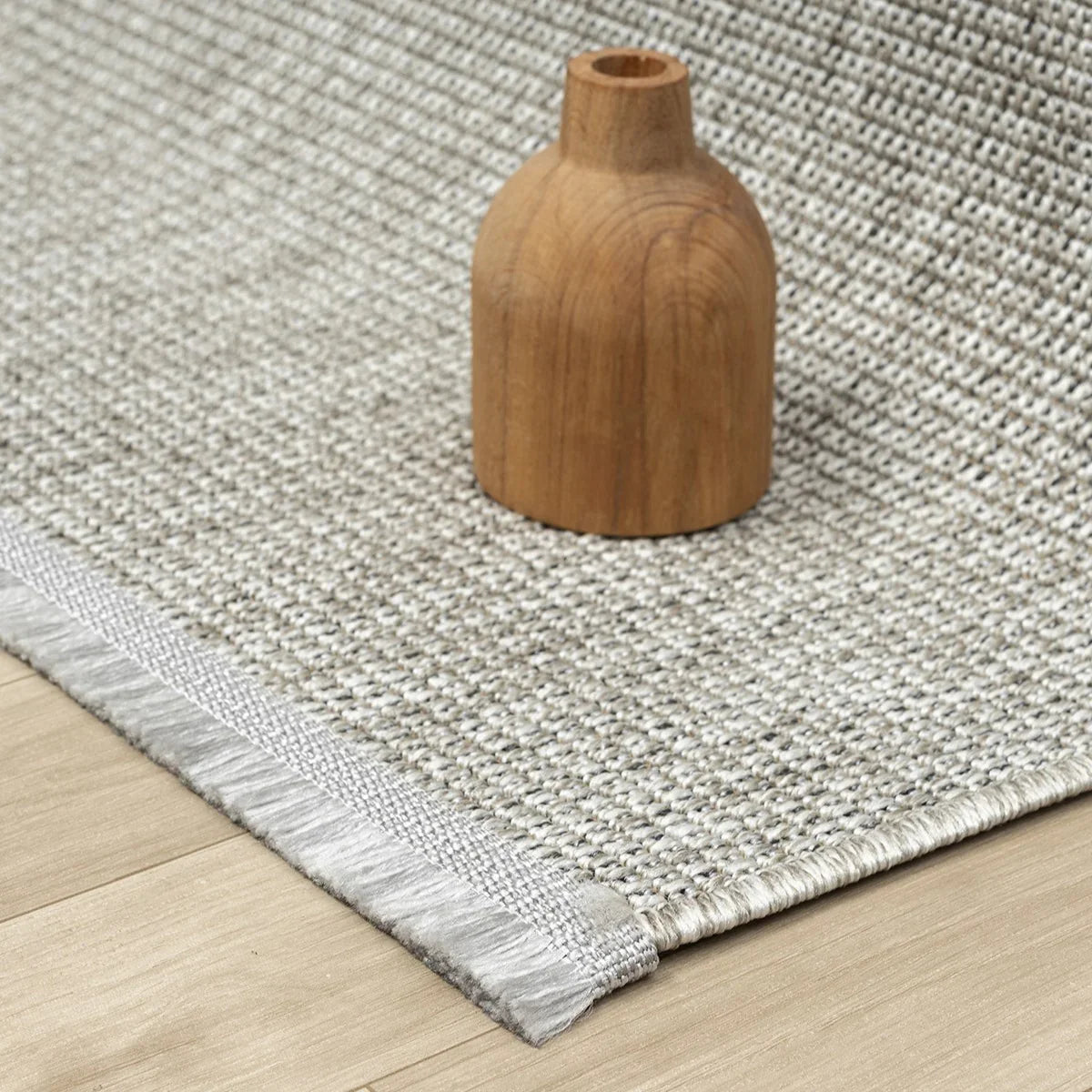
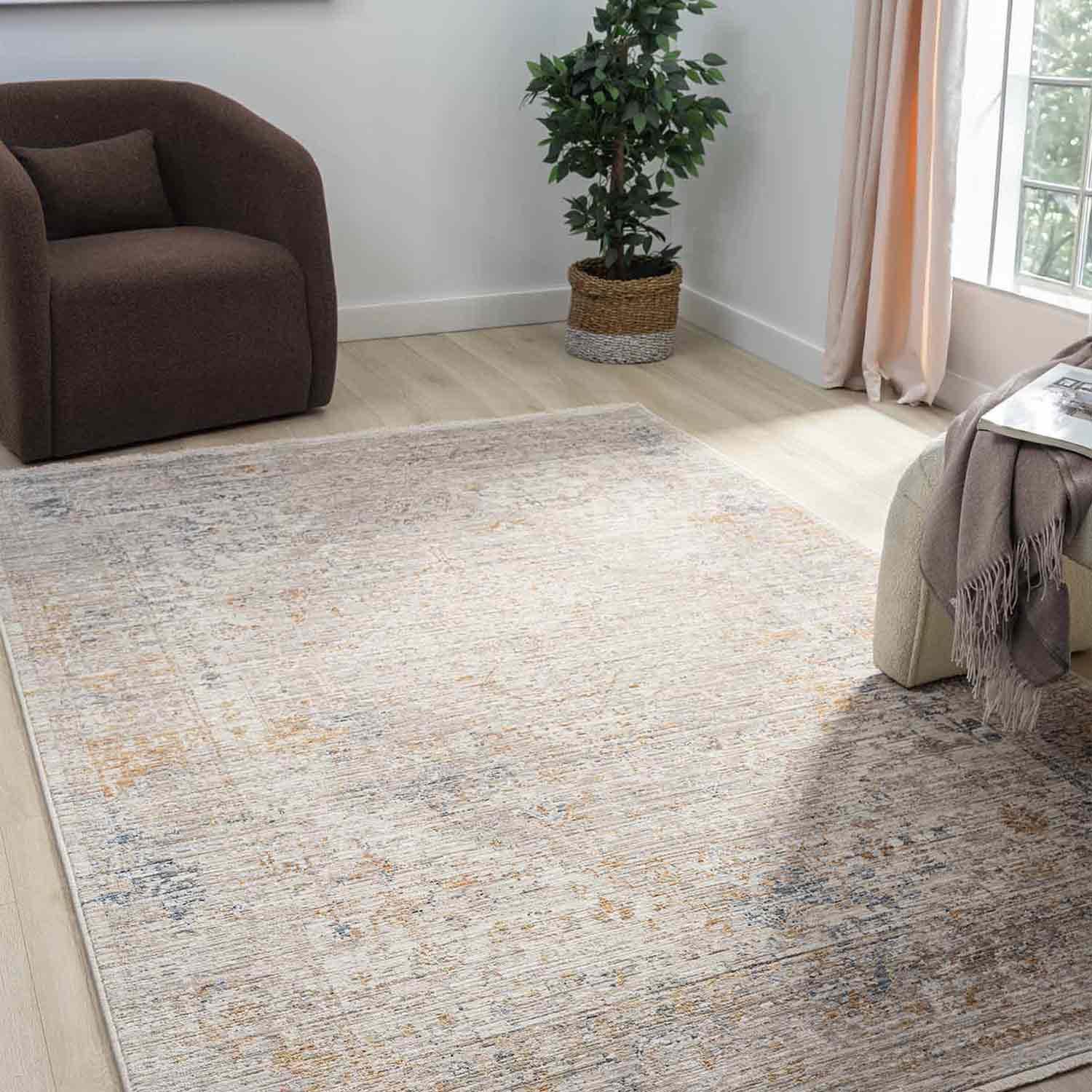
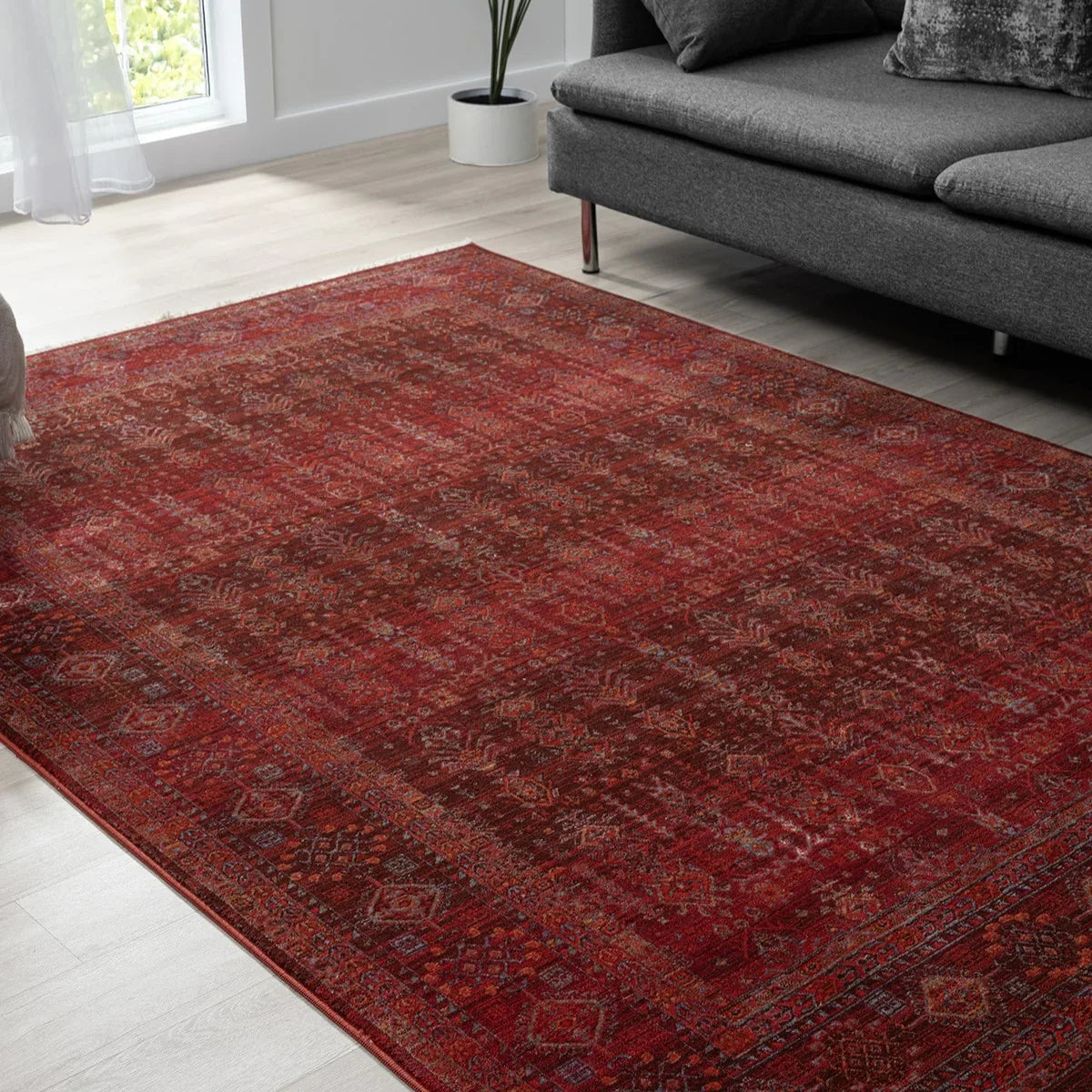
What is an Hypoallergenic Carpet? How to Choose One? Here are the things to consider. Creating a healthy living space at home is of great importance, especially for individuals prone to allergies. Dust, dust mites, pet dander, and microscopic diseases that accumulate unnoticed in daily life can lead to respiratory problems, sensitivity issues, and various discomforts in sensitive individuals. In this regard, carpets stand out as one of the essential decorative elements that directly change the atmosphere of a home. Hypoallergenic carpets are specially designed products to help maintain these types of temperatures. A correct choice is made by carefully considering the amount of allergens in the home. Brands like Pera Halı, which embrace modern production practices, offer solutions that combine aesthetics and health. What is an hypoallergenic carpet? Hypoallergenic carpets are a type of carpet whose structure makes it difficult to replace carpets due to dust, mites, and similar allergens. These carpets are generally produced with a tight weave, low pile density, and special yarn technologies. The aim is to prevent the accumulation of dust, mites, and similar allergens and to ensure cleanliness for those who might otherwise be attracted to them. These types of carpets, due to their structure, offer a more comprehensive living space for families with children and homes with pets. The hypoallergenic claim does not mean complete elimination of risk; however, it aims to reduce risks. How to Choose an Hypoallergenic Carpet? When choosing an anti-allergic rug, not only the appearance but also the technical specifications should be considered. First and foremost, the rug's pile is important. Longer pile rugs hold warnings more easily, while shorter pile models offer more practical use. Yarn structure is also a factor in the selection process. Synthetic yarns may offer a more controlled structure in terms of dust and moisture retention compared to natural yarns. In addition, carpets with antibacterial properties support sensitive constitutions by limiting the formation of microorganisms. Some models in Pera Halı's collections stand out with their production details that observe these criteria, aiming for healthy use without compromising harmonious design. Key Features to Consider The first thing to consider when choosing an anti-allergic rug is that it should be easy to clean. Regular vacuuming is necessary to remove dust from the surface. Additionally, the rug should be breathable, preventing moisture buildup and reducing the risk of bacteria and mold. Carpets made with dyes that have a low chemical content are also considered safer for people sensitive to allergies. Such products contribute to a more comprehensive improvement of indoor air quality. Who are hypoallergenic carpets suitable for? Hypoallergenic carpets are suitable not only for people with diagnosed allergies, but also for anyone who wants a healthy living environment at home. These types of carpets are particularly suitable for children's rooms, bedrooms, and high-traffic living areas. In homes with pets, hypoallergenic carpets play an important role in controlling shedding of pet hair and skin. This ensures a balance between comfort and hygiene. Frequently Asked Questions Do hypoallergenic carpets really prevent allergies?Hypoallergenic carpets don't completely eliminate allergies, but they help reduce the risk of allergies by minimizing the cost of raising concerns. Which types of carpets are unsuitable for their structures?Long-lasting, dense-pile, and moisture-retaining carpets may be better suited for people prone to allergies. How should hypoallergenic carpets be cleaned?Regular vacuuming, the use of chemical cleaning products, and complete drying of the carpet are recommended. Are hypoallergenic carpets limited in terms of decorative appeal?No. Today, hypoallergenic carpets offer a wide range of design options to suit both modern and classic decorating styles.
Learn more
5 Safe Carpet Recommendations for Families with Allergic Children
5 Safe Carpet Recommendations for Families with Allergic Children Sensitivity, hypersensitivity, and allergic reactions in children are closely related to unseen factors in the home environment. Floor coverings, in particular, can pose a risk due to dust mites, pollen residue, and microscopic particles. Therefore, in homes where children prone to allergies live, carpet selection is not only an aesthetic decision but also a health-focused one. Carpets with a low allergen load, that are breathable and easy to clean, make children's play areas safer. With the right product choices, both hygiene and comfort can be achieved. Some special weaving techniques in Pera Carpet collections offer solutions to this need and contribute to a more balanced environment in living spaces. 1. Carpets with Low Pile Height Long-pile carpets can increase the accumulation of dust and mites. Low-pile models make it more difficult for allergens to adhere to the surface and can be easily removed with regular cleaning. This structure is considered safer for children with sensitive constitutions. 2. Carpets with Hypoallergenic Yarn Technology Specially developed hypoallergenic yarns help reduce bacterial and mite infestation. Synthetic but certified yarns can offer a more controlled surface compared to natural fibers. Some of Pera Carpet's modern weaving options aim to balance these characteristics. 3. Easy-to-Clean Surface Structure Carpet cleanliness is crucial for a hypoallergenic living space. Surfaces that can be thoroughly cleaned with a vacuum cleaner and do not retain moisture contribute to reducing allergic symptoms. 4. Models Without Chemical Dyes Carpets that come into contact with children's skin should be free of harmful chemical residues. Carpets made with low-emission dyes are safer for children with respiratory sensitivities. 5. Breathable Fabric Structure Carpets that allow air circulation reduce moisture buildup, lowering the risk of bacteria and mold. This creates a more balanced indoor environment for sensitive children. Which carpet is safest for children with allergies? Carpets made from low-pile, hypoallergenic yarn and that are easy to clean are considered safer for children with allergies. Do carpets cause allergies? Choosing the wrong carpet and inadequate cleaning can trigger allergic reactions due to dust mites. This risk can be reduced with the right product. Do hypoallergenic carpets completely prevent bacteria growth? No carpet is completely risk-free, but hypoallergenic carpets help significantly reduce bacteria and mite infestation. How should carpets be cleaned for children with allergies? Chemical-free cleaning products should be used, regular vacuuming should be done, and the carpet should be completely dried.
Learn more
Avoiding Allergy-Causing Carpets: A Carpet Guide for Sensitive Individuals
Say goodbye to constant sneezing and itching! Your carpet can be the biggest source of allergens (dust mites, mold, and mildew) in your home. The best solution for sensitive skin and children: Machine-washable carpets with a low pile height , prevent allergens from being trapped, and offer practicality for regular cleaning. Prioritize regular maintenance with OEKO-TEX® certified chemical-free materials (Polypropylene/Cotton) and HEPA-filtered vacuum cleaners. Discover our Hypoallergenic Carpet collection now for a healthy and breathable living space!
Learn more