Do Hypoallergenic Carpets Prevent Bacteria? Common Misconceptions.
Many people who want to create a healthy living space at home believe that hypoallergenic carpets completely prevent bacteria. However, this common belief is not always true. While carpet selection is important for individuals with allergy sensitivities, it is necessary to understand the concept of hypoallergenic carpets correctly. This article addresses common misconceptions about hypoallergenic carpets and helps create realistic expectations.
In people with allergies, dust, bacteria, and microorganisms in the home environment can cause various sensitivities. Therefore, the structure, weaving method, and ease of cleaning of the carpet are decisive factors not only in terms of decoration but also in terms of health.
What does hypoallergenic carpet mean?
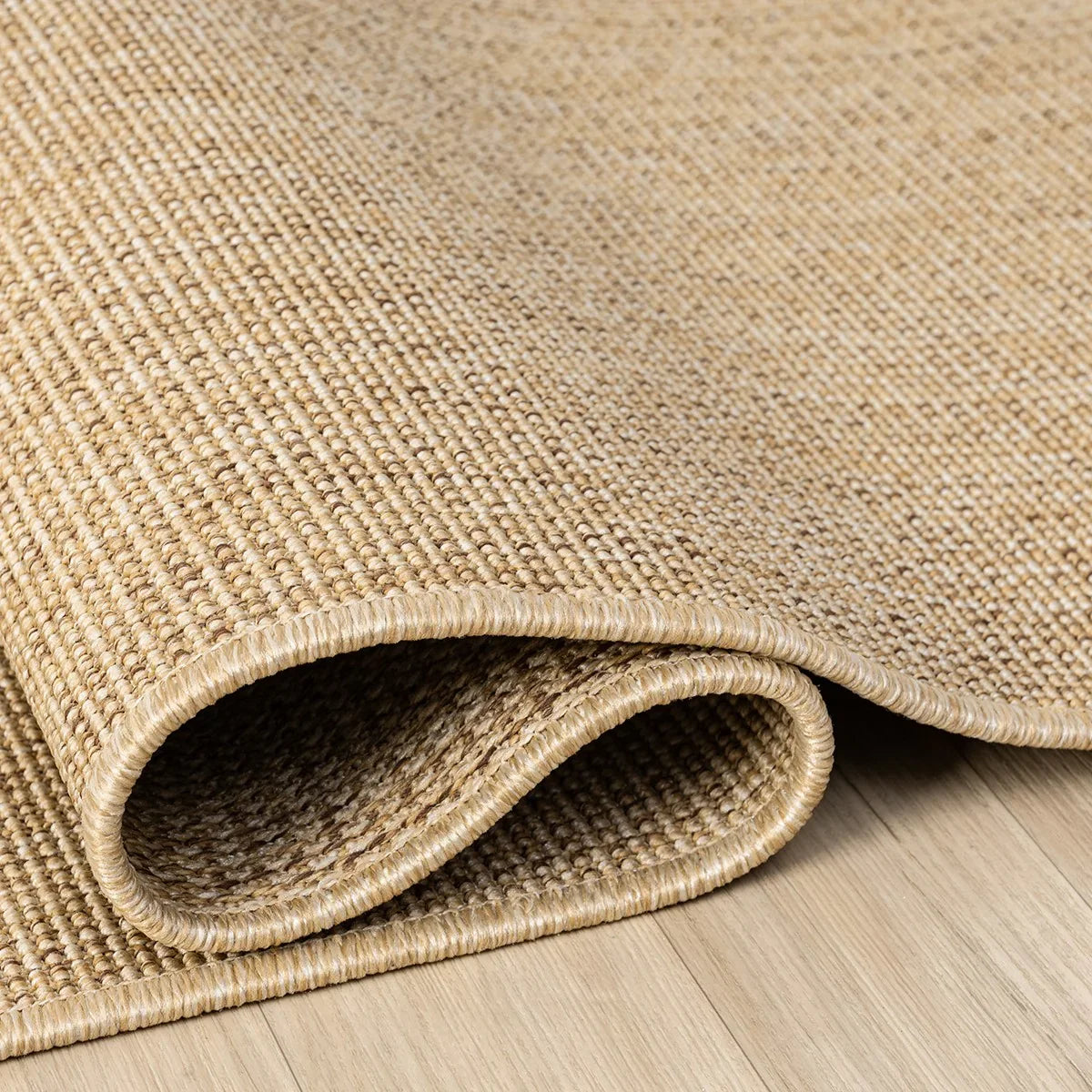
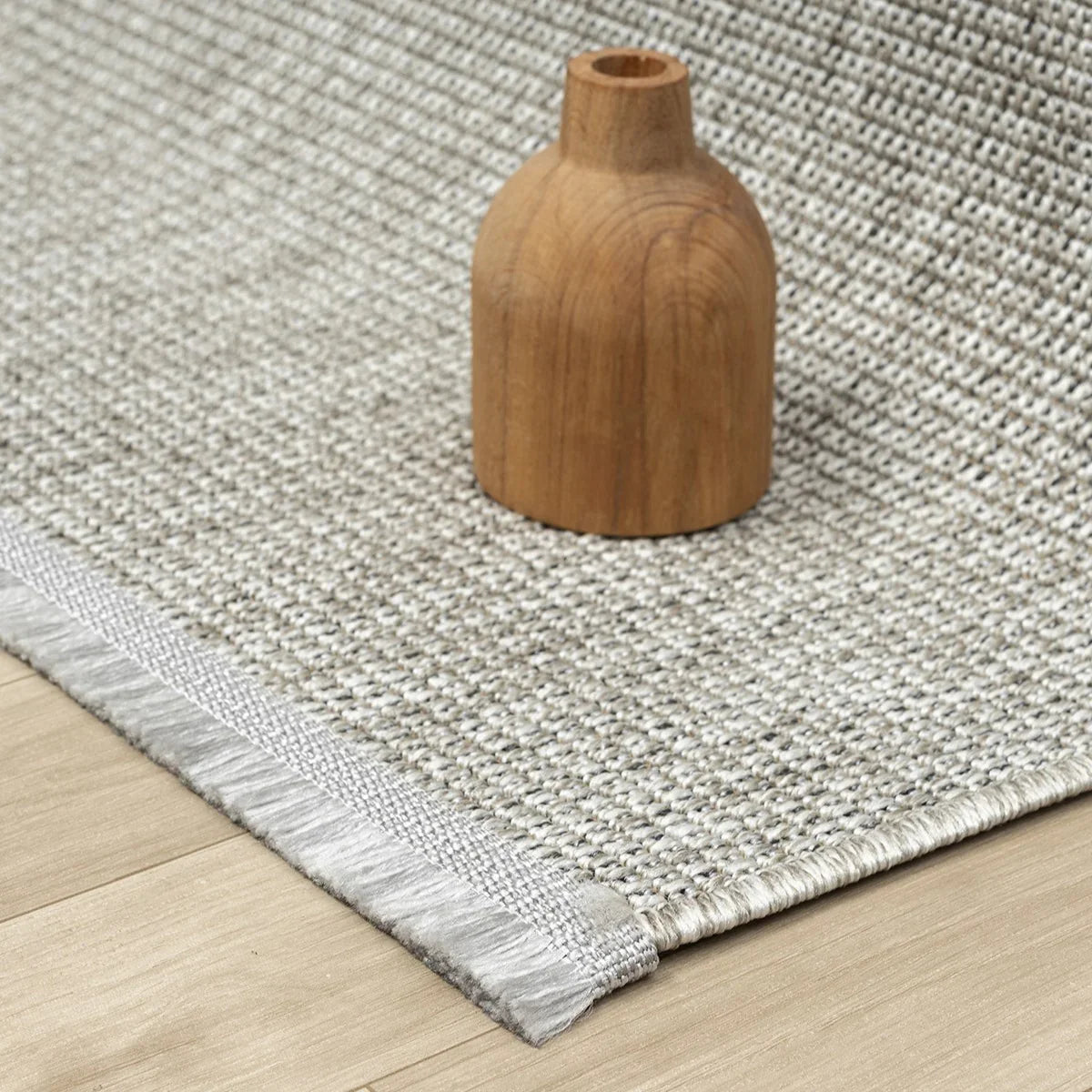
Hypoallergenic carpets are not products that completely eliminate bacteria. These carpets are designed to have a low dust and allergen retention rate. Thanks to their tightly woven structure, they make it difficult for dust to penetrate deep into the fibers and allow for easier removal during cleaning.

These features are quite important for individuals prone to allergies. However, the carpet alone should not be expected to eliminate all microorganisms. What is important here is that it helps reduce the allergen load.
Do hypoallergenic carpets prevent bacteria?
The answer to this question is partly yes. Hypoallergenic carpets make it more difficult for bacteria to adhere, but they don't completely prevent it. Bacteria can form in any type of carpet if it's not cleaned regularly. Therefore, usage and maintenance habits are as important as the carpet's characteristics.
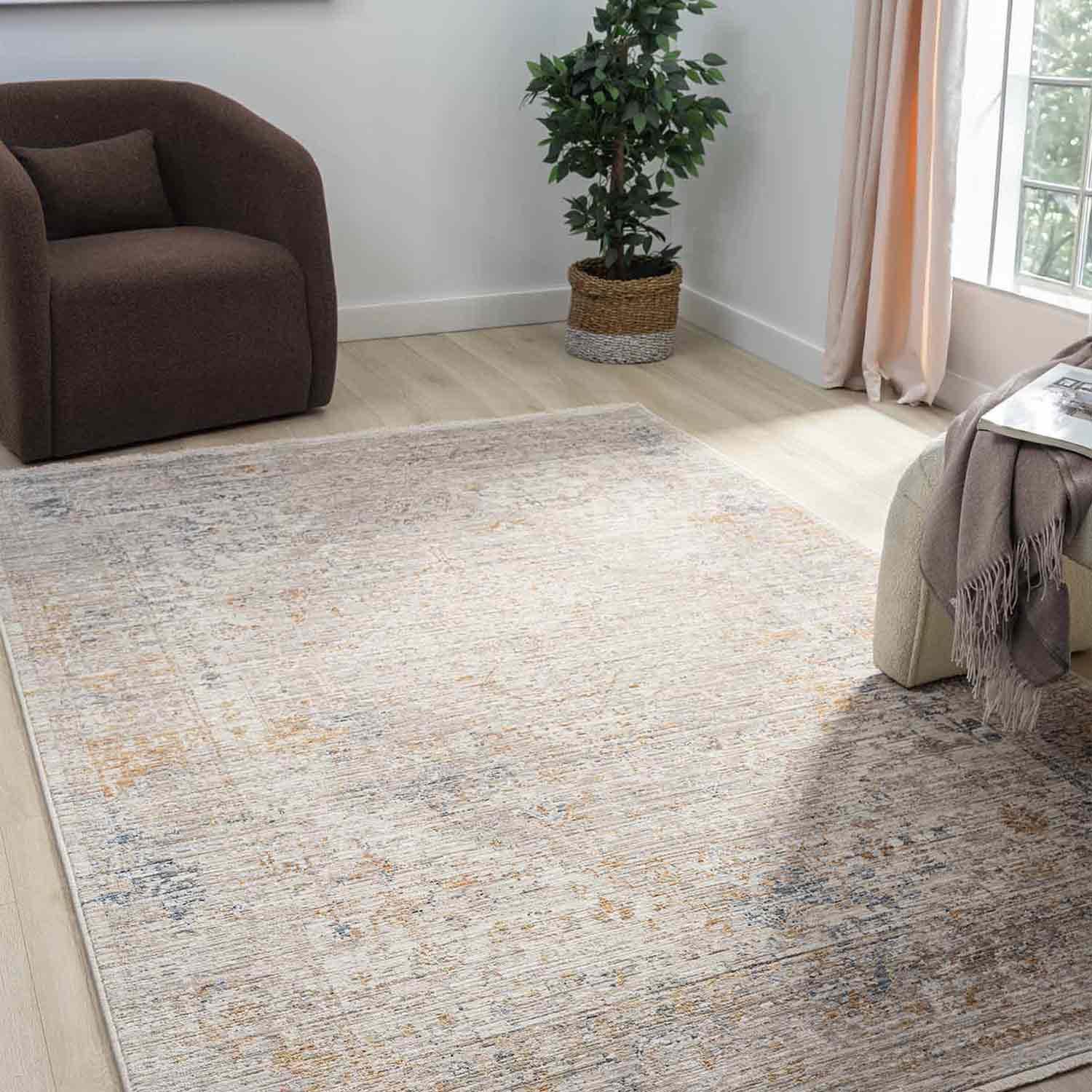
Choosing health-promoting products when creating your decor style offers a more balanced living space in the long run. In this regard, simple, easy-to-clean rugs stand out. The balanced weaving structures found in Pera Halı's collections provide examples that support this approach.
Common Misconceptions
The idea that hypoallergenic carpets are hygienic even if they are never cleaned is incorrect.
The belief that bacteria only grow in high-pile carpets is incorrect.
The belief that using chemical cleaning products is always healthier is wrong.
These mistakes can lead individuals with allergy sensitivities to make poor choices. However, conscious use and regular maintenance enhance the benefits the carpet offers.
What to Consider When Using Hypoallergenic Carpets
Carpets should be vacuumed regularly. Vacuum cleaners with powerful filter systems should be preferred. Cleaning products with harsh chemical content should be avoided. The room should be well ventilated after carpet cleaning. Carpets that remain damp can create a suitable environment for bacteria to grow.
These steps help reduce allergen and bacteria concentrations. They also extend the lifespan of the carpet.
Are hypoallergenic carpets suitable for homes with children?
Yes, with proper care, it provides a safer surface in areas where children come into contact.
Do hypoallergenic carpets completely prevent allergies?
No, it doesn't completely eliminate allergies, but it reduces the allergen concentration.
How often should carpets be cleaned?
Sweeping should be done a few times a week, and deep cleaning should be planned according to need.
Do hypoallergenic rugs negatively affect home decor?
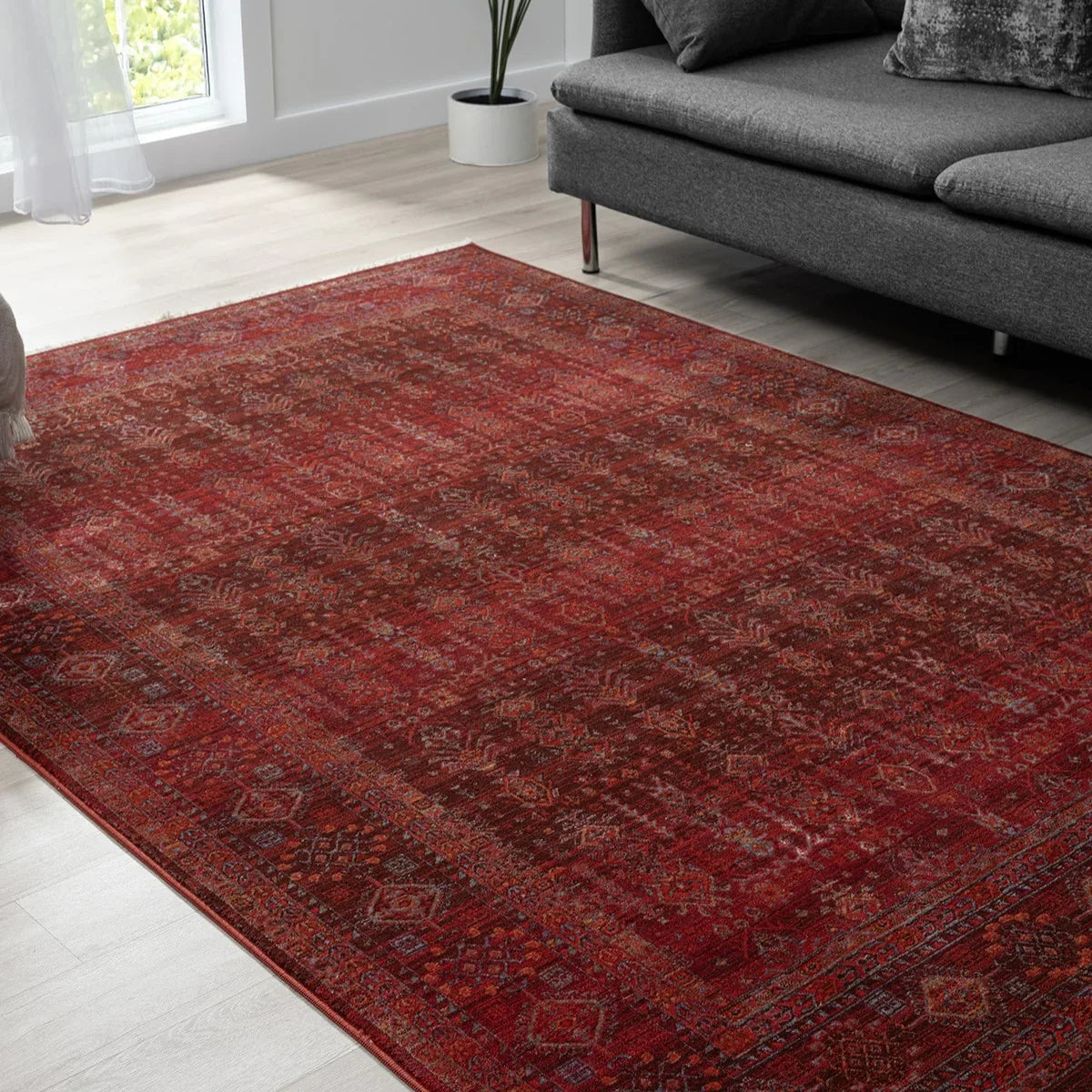
No, thanks to their simple and timeless designs, they complement various decorating styles.
When used with the right intentions, hypoallergenic rugs offer significant support for individuals with allergy sensitivities. While they aren't a solution that completely eliminates bacteria, when used in conjunction with proper cleaning habits, they contribute to creating a healthier home environment. Rug selection is a factor that directly affects both decoration and living comfort. With conscious choices, it's possible to create a balanced living space in terms of both aesthetics and health.