Pera Blog
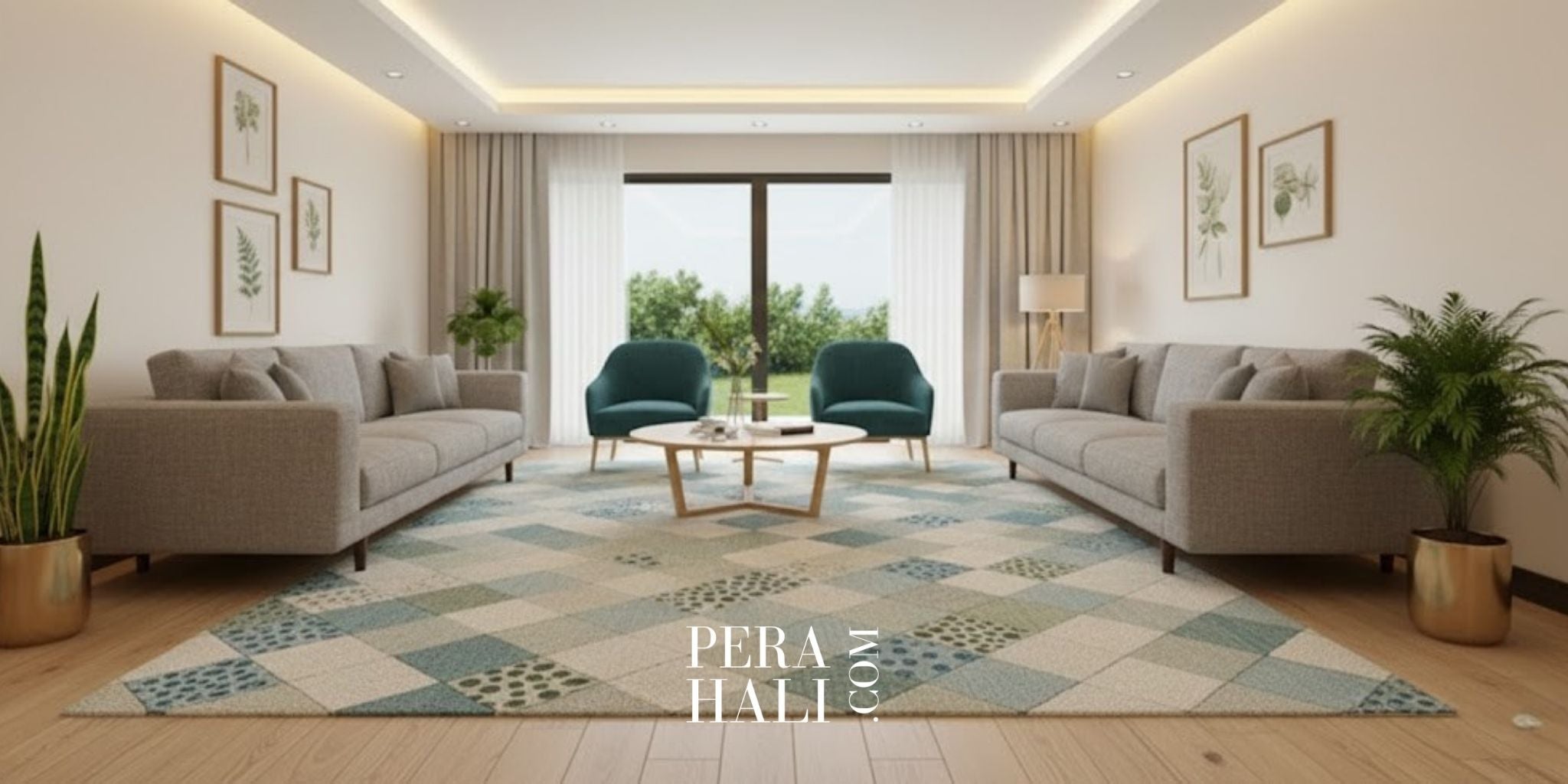

Non-Slip Rug Guide for Seniors and Children
Non-Slip Rug Guide for Seniors and Children Home safety becomes one of the most important aspects of interior design, especially when it comes to the elderly and children. The risks of slips and falls, which are frequent occurrences in daily life, can be greatly reduced with the right rug selection. Non-slip rugs play a significant role in this regard, offering both safety and comfort. In homes where allergy sufferers are likely to experience health problems, carpet selection shouldn't be limited solely to non-slip properties. Control of dust, mites, and microscopic diseases is also essential for creating a healthier living space. What are non-slip mats and why are they important? Non-slip carpets are a type of carpet that prevents the carpet from moving thanks to its special backing structure that increases grip on the floor. This feature provides a significant safety advantage, especially for the elderly who have balance problems and active children. Non-slip rugs stay in place during sudden movements, reducing the risk of falls. They also provide a safer surface for children playing. Carpet Selection for Those with Allergy Sensitivities The flexibility of non-slip rugs should also be considered. Short-pile and tightly woven rugs should be preferred as they are less likely to trap dust and allergens. These types of rugs are both easier to use and help maintain air quality in the home. Some models in the Pera Carpet collection combine non-slip backing with hypoallergenic properties, offering both safety and health-focused use. How Does Material Selection Affect Safety? The yarn and backing material used in carpet production are as important as slip resistance. They allow for breathability and prevent moisture buildup, which can lead to the formation of bacteria and mites. This is particularly advantageous for individuals. Latex or specially designed backing carpets adhere better to the floor. However, it's also important that the backing material doesn't damage the floor and doesn't produce odors. Using Non-Slip Rugs in Homes with Children For children with play disorders, keeping the rug in place is crucial. Non-slip rugs provide a safe play area without restricting children's freedom of movement. Additionally, soft-textured surfaces reduce the risk of injury from falls. Carpets made with dyes that have a low chemical content may be a more suitable choice for sensitive skin. Both health and comfort should be considered in this regard. What should be considered when choosing a rug for the elderly? For elderly individuals, it is vital that the carpet remains firmly in place on the floor. Carpets with non-removable edges, lightweight construction, and fixed in place should be preferred. Additionally, the carpet's surface should not be too slippery for stability. Non-slip mats also create a safer movement area for people using canes or walkers. The Importance of Cleaning and Maintenance You can reduce the amount of dust and alarm when cleaning non-slip rugs regularly. Weekly vacuuming is more effective with filtered vacuum cleaners. Washable or wipeable models offer practicality in terms of cleaning. It is recommended to opt for more natural solutions instead of highly chemical cleaning products. This approach both extends the life of the carpet and creates a safer environment for delicate materials. Do non-slip rugs really prevent falls?Non-slip rugs grip the floor, reducing the rug's movement and significantly lowering the risk of falls. Can people with allergy tolerance use carpets? Yes, short-pile, easy-to-clean, non-slip rugs are more suitable for those who prefer flexibility. Can non-slip rugs be used on his floor?It is compatible with existing parquet, ceramic and laminate flooring, but the subfloor structure must be checked. Are non-slip rugs difficult to clean? No, regular vacuuming and proper cleaning are quite practical maintenance methods.
Learn more
Hypoallergenic Carpet Varieties: 7 Safest Models for People with Allergies
Hypoallergenic Carpet Varieties: 7 Safest Models for People with Allergies In home decoration, health is just as important as aesthetics. For individuals with allergies, carpet selection is a factor that directly affects their quality of life. Hypoallergenic carpets aim to create healthy living spaces with their dust-resistant properties and easy-to-clean features. Choosing the right flooring plays a critical role in both visual harmony and hygiene during the process of finding your ideal decorating style. Allergy-friendly carpets help maintain indoor air quality. When the right carpet model is chosen, the accumulation of dust mites and allergens can be significantly reduced. Therefore, hypoallergenic carpets are an ideal solution not only for families with children but also for anyone with sensitive constitutions. What are hypoallergenic carpets and why should they be preferred? Hypoallergenic carpets are a type of carpet that minimizes dust thanks to the yarn structure and weaving technique used in their production. These carpets prevent allergens from remaining on the surface due to their tightly woven structure and are easy to clean. Prioritizing health when choosing a decorating style provides a more comfortable living space in the long run. In this regard, simple patterned and low-pile rugs are both a decorative and functional choice. Hypoallergenic options offered by brands with a quality-focused production approach, such as Pera Halı, support this balance. 7 Safest Carpet Models for People with Allergies Low-pile carpets reduce the risk of allergen retention and are easy to clean. Carpets made from cotton and natural fibers are preferred for their breathable structure. Tightly woven carpets made from synthetic yarn minimize dust accumulation. Solid-colored and minimalist patterned carpets make it easier to spot allergens. Washable carpets help maintain hygiene regularly. Antibacterial carpets limit the formation of microorganisms. Non-slip rugs offer both safety and practical use. These models make it possible to choose a style of decoration without compromising health criteria. Do hypoallergenic carpets complement the decor? Although hypoallergenic rugs are often thought of as purely functional, they now offer a wide range of aesthetic options. Many choices complement simple, modern, or natural decor styles. Timeless colors and soft textures create a healthy surface without disrupting the overall atmosphere of the home. When choosing a decorating style, it's important to remember that a rug is not just a complementary element, but a defining one. A correctly chosen rug enhances both the appearance and the comfort of a space. How should hypoallergenic carpets be cleaned? Regular sweeping and wiping with appropriate cleaning products is sufficient. Excessive use of chemicals should be avoided. Do hypoallergenic carpets really reduce allergies? When the correct model is selected and cleaned regularly, it significantly reduces allergen buildup. Hypoallergenic Carpet for Homes with Children Yes, it provides a hygienic and safe surface for areas where children spend time on the floor. Does Carpet Selection Affect Decorating Style? Rugs are a fundamental element of home decor. A wrong choice can disrupt the balance of a space, while the right rug enhances the style of your home. Hypoallergenic carpets are an ideal solution for those who want to create healthy living spaces without compromising on decoration. Carpet models safe for allergy sufferers offer a balanced approach in terms of both hygiene and aesthetics. Making a conscious choice of flooring when determining your decorating style makes time spent at home more comfortable. With the right carpet choice, it's possible to create both a healthy and peaceful living space.
Learn more
5 Hypoallergenic Rug Models for Pet Owners and Allergy Sufferers
5 Hypoallergenic Rug Models for Pet Owners and Allergy Sufferers Living with pets can bring joy to a home environment, but it can also pose some risks for sensitive individuals. Pet hair, dander, dust, and microscopic particles can trigger sensitivities, irritations, and respiratory problems in allergy-prone people. In this context, choosing the right carpet becomes a fundamental step in creating a healthy living space. Carpets that reduce allergen buildup, are easy to clean, and don't shed fibers offer significant advantages in terms of both comfort and hygiene in homes with pets. Choosing the right carpet model can help prevent allergic reactions while living with your furry friends. Some of the surface structures developed by Pera Carpets with its modern production approach offer balanced solutions to this need. 1. Low Pile Hypoallergenic Carpet Models Long-pile carpets can allow pet hair and dust to penetrate deep into the fibers. Low-pile carpets, on the other hand, allow for easier cleaning of particles that accumulate on the surface. This structure creates a safer environment for individuals sensitive to allergies. 2. Non-shedding, tightly woven carpets Carpets with a tightly woven structure make it difficult for pet hair to become embedded in the surface. This allows for quick removal of the hair with regular vacuuming. This feature is a significant advantage for people with sensitive respiratory systems. 3. Carpets Made with Antibacterial and Antiallergic Yarns Carpets produced using special yarn technologies limit the formation of bacteria and mites. These types of carpets contribute to a more balanced indoor air environment for those with allergies. Pera Carpet collections include weaving options that prioritize this balance. 4. Moisture-Repellent and Quick-Drying Carpets Moisture is a major factor that triggers the growth of bacteria and mold. In homes with pets, where frequent cleaning is necessary, it is crucial that carpets do not retain moisture. Breathable carpet and weave structures reduce this risk. 5. Carpets Produced with Dyes with Low Chemical Content The dyes used in carpet production can directly affect allergic sensitivities. Carpets made with low-emission and human-health-friendly dyes are considered safer, especially in homes with children and pets. Do carpets cause allergies in homes with pets? Choosing the wrong carpet and inadequate cleaning can lead to the accumulation of pet dander and dust, triggering allergic reactions. The right carpet model reduces this risk. Do hypoallergenic carpets completely block pet hair? It doesn't completely prevent hair growth, but it reduces the amount of hair that sticks to the surface, making it easier to clean. Which carpet is best suited for people with allergies? Low-pile, tightly woven carpets made with hypoallergenic yarns and that don't retain moisture are more suitable for sensitive skin. How should carpets be cleaned in homes with pets? Regular vacuuming, using chemical-free cleaning products, and completely drying the carpet are recommended.
Learn more