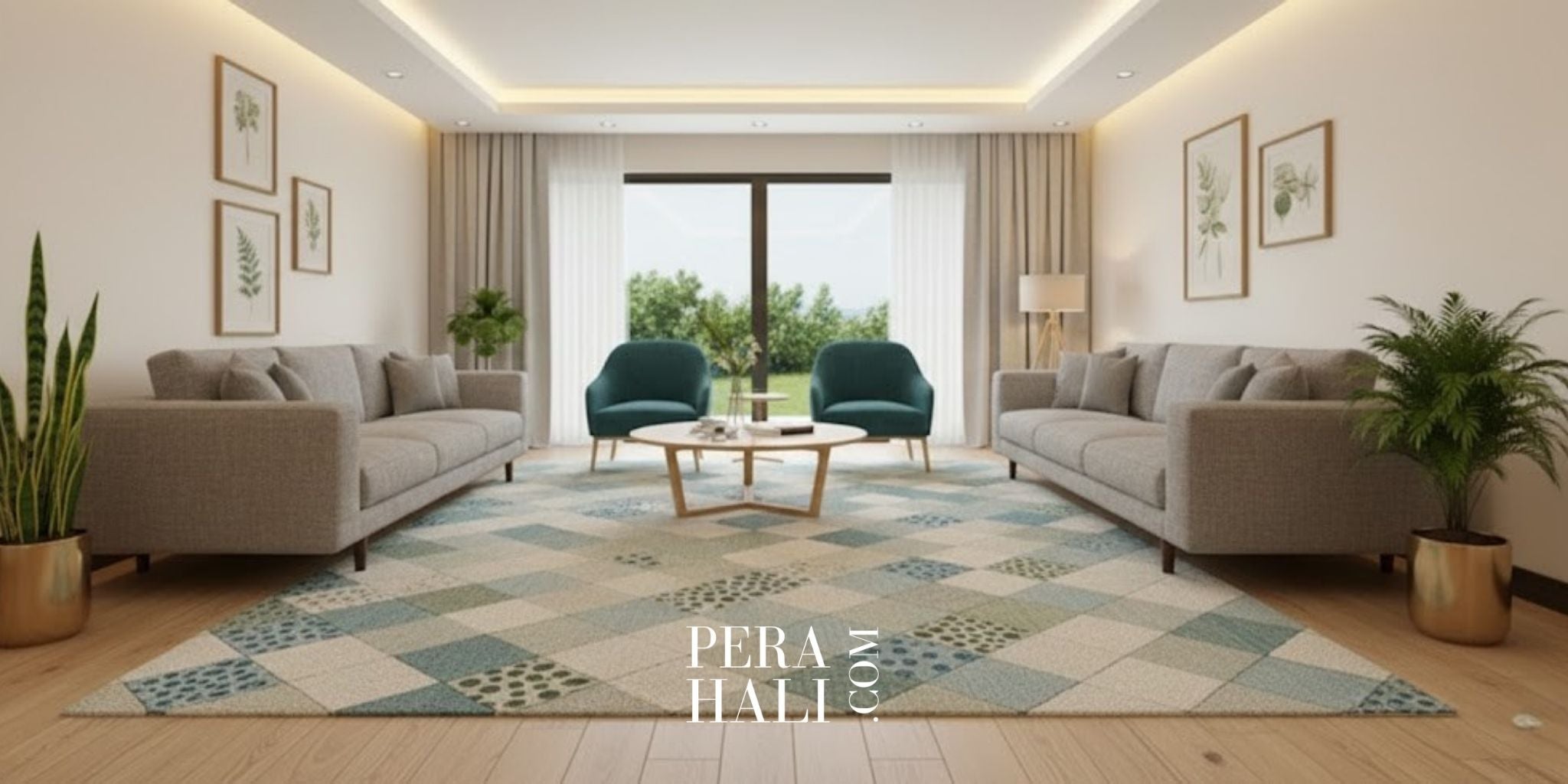
Which carpets are hypoallergenic? Weave, material, and cleaning care.
With the increasing amount of time spent at home, maintaining a healthy lifestyle has become more important every day. Textile products used in the home play a significant role, especially in terms of durable structures. Carpets, when properly maintained, provide a suitable environment for dust mites, mites, and microscopic organisms. This can lead to respiratory problems and discomfort experienced by those who are struggling with the condition.
Therefore, which carpets are hypoallergenic is carefully considered for both comfort and health reasons. Many details, from the weaving structure and materials used to cleaning and the area of use, affect making the right choice.
What does "allergy-free carpet" mean?
The term "allergy-free" doesn't mean the product is completely risk-free. This definition more often refers to carpets that are less likely to trigger alarms, are easy to clean, and reduce dust levels. Such carpets provide a more organized environment for residents and individuals living in the same space.

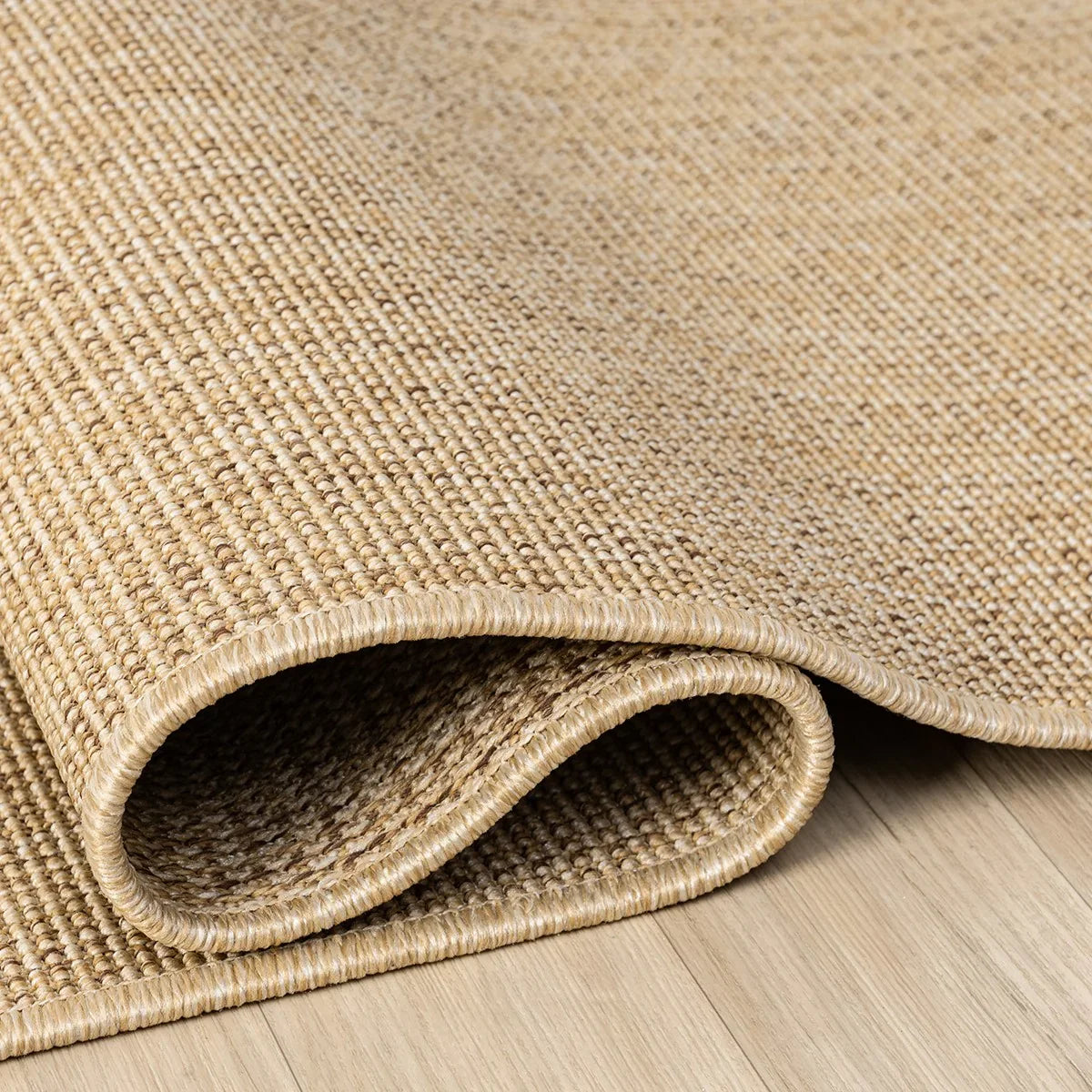
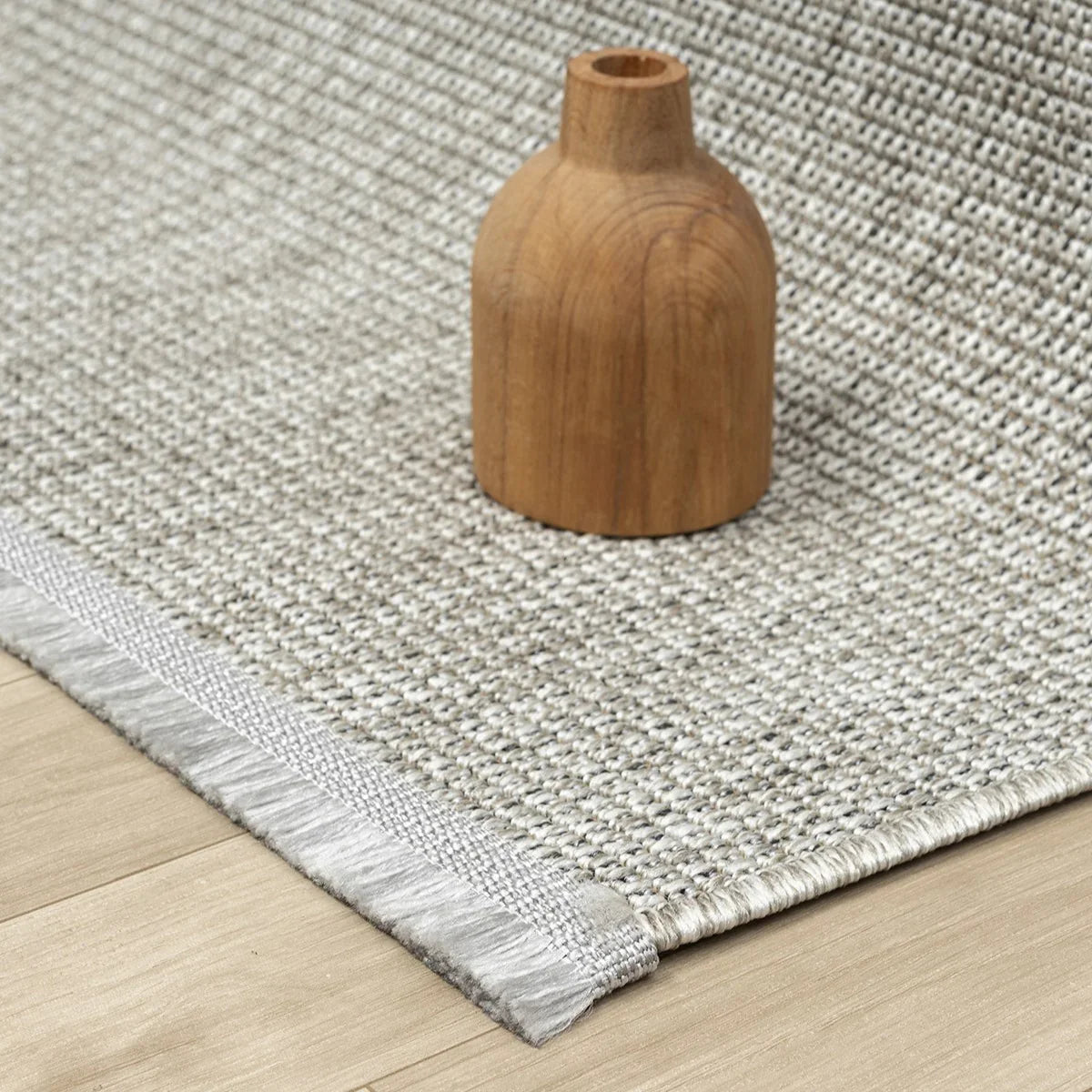
Hypoallergenic carpets generally have a tightly woven, short pile and a structure that allows air circulation. This makes it difficult for dust and mites to settle inside the carpet.
How does fabric type affect allergy risk?
The weaving structure is one of the most important factors that can directly reveal a carpet's potential to cause allergies. Regardless of whether they are hand-woven or machine-woven, carpets with a dense and flat surface are considered to have better control over allergen retention.
Long-lasting, woven carpets tend to trap irregularities more easily. This can increase the risk of damage even with regular cleaning. Flat-weave or low-pile models offer a safer option in this regard.
Why is carpet material important?
The type of yarn used in a carpet plays a significant role in its details. Synthetic yarns have a low moisture retention rate, which can limit mite infestation. Natural fibers, when properly processed, can retain more moisture and dust.
This is where production technology comes into play. Quality-focused brands like Pera Halı provide solutions that prioritize both aesthetics and health and safety in their material selection, ensuring comfort in the home.
Are cleaning habits as important as carpet selection?
Yes. Even the best carpet selection won't provide the desired benefits if the cleaning isn't done correctly. For allergy-sensitive individuals, regular vacuuming of carpets is crucial. Vacuum cleaners with powerful filter systems reduce the dispersal of dust.
It is also advantageous for the carpet to be washable or easy to wipe clean. More natural solutions should be preferred over harsh, chemical-based cleaning products.
Carpet Selection for Homes with Pets
In homes with pets, carpet selection becomes even more critical. Short-pile and antistatic models should be preferred to withstand the effects of pet hair and skin. These types of carpets are both easier to clean and provide a more stable environment for delicate pets.
Allergy-Friendly Carpet Choices for Homes with Children
When using carpets in areas where children spend more time, it's important that they are safe. Carpets that are dust-resistant, non-slip, and easy to clean are more suitable for homes with children. Additionally, products with low chemical dye content should be preferred.
Which carpets reduce the risk of spilling?
Short-pile, tightly woven, and easy-to-clean carpets help reduce the risk of damage.
Why are long-lasting carpets not recommended?
Long-lasting carpets trap dust and mites more easily, making cleaning more difficult.
Does carpet cleaning affect allergies?
Even high-quality carpets can increase safety risks if they are not cleaned regularly and properly.
Are synthetic carpets produced in an unhealthy way?
With proper production, synthetic carpets can be advantageous for sensitive skin because they retain less moisture and dust.