Gazi Mustafa Kemal Atatürk , the founder of the Republic, was not only a statesman but also a patron of art, labor and cultural heritage.
Türkiye, which modernized under his leadership, also redefined traditional handicrafts.
During this period, people from all over Anatolia wove carpets to show their love and respect — each stitch carrying a prayer, a gratitude, a hope.
In this article, we will explore the stories of the carpets gifted to Atatürk, the meaning of their motifs, and their place in Turkish hand-woven art.

Atatürk and the Value He Placed on Handicrafts
Atatürk saw art as an indicator of a society's progress.
In the early years of the Republic, he placed great importance on the labor of Anatolian women with policies supporting hand-woven carpet making.
🔹 Sümerbank Carpet Factories and Hereke Weaving School , opened in the 1930s, are concrete examples of his vision.
🔹 He defined handicraft not only as a traditional art but also as a reflection of national identity .
💬 “The art of a nation is the mirror of its level of civilization.” — Mustafa Kemal Atatürk
A Gift from the Public: “The Gazi Carpet”
One of the first carpets presented to Atatürk was woven by the women of Isparta in the 1930s.
The carpet was decorated with local patterns and named "Gazi Carpet".
📜 Features:
-
The ground color is pomegranate red.
-
The modernized Republic coat of arms with the letters "TC" in the middle.
-
Wheat ears (prosperity), tulips (elegance) and star motifs (unity) on the side borders.
💬 One of the weavers said the following during the delivery:
"Pasha, we wove this carpet from our hearts. There is prayer in every stitch, gratitude in every color."
Hereke's Legendary Work: The Republic Carpet
Another important gift is the "Republic Carpet", woven specially for Atatürk at the Hereke Imperial Factory .
📍 Technical Specifications:
-
Material: Silk and fine wool blend.
-
Weaving: Double knot (Gördes) technique.
-
Colors: Navy blue, gold and red motifs on a cream background.
-
A symmetrical medallion in the center with 16 stars around it symbolizes the Turkish states.
This carpet was exhibited in the Atatürk room in Dolmabahçe Palace for many years.
Today, the original is preserved in the Anıtkabir Museum .
Gifts from Anatolia: A Story from Every Region
Gifts reached Atatürk not only from Hereke and Isparta, but also from traditional carpet centers such as Uşak, Kayseri, Kars, Konya and Sivas .
Each region has its own motif, its own story:
-
Kayseri Carpet: Geometric Seljuk patterns, emphasis on deep-rooted history.
-
Uşak Carpet : Classical motifs combining Ottoman palace culture with Republican elegance.
-
Kars Carpet: Thick wool and simple color transitions as a reflection of the cold climate.
💡 These carpets are a mosaic that brings together the diversity of Anatolian culture .
The Language of Motifs: What Did Carpets Tell?
Every motif carries a meaning. The symbols frequently seen on carpets woven for Atatürk were:
| Motif | Meaning |
|---|---|
| 🌸 Tulip | Elegance, simplicity |
| 🌾 Wheat | Abundance, production |
| ☀️ Sun | Enlightenment, the light of the Republic |
| ⭐ Star | Unity and independence |
| 🧿 Hands on hips | Women's labor, protection |
Each pattern silently narrated the values of the Republic, stitch by stitch.
From Handicraft to National Symbol: The Meaning Transformed into a Carpet
The carpets gifted to Atatürk became more than just a decorative element over time.
In the early years of the Republic, these carpets became the artistic reflection of national consciousness .
🔹 Anatolian women wove their labor.
🔹 He processed the love of the people into patterns.
🔹 Atatürk, on the other hand, glorified this effort as a national art.
💡 This cultural bond is still kept alive today in the carpet industry as the " pride of domestic production ".
Where Can It Be Seen Today?
Some of the carpets presented to Atatürk are displayed today:
-
Anıtkabir Museum
-
Dolmabahce Palace
-
Florya Mansion
are exhibited in collections.
Each one reminds visitors not only of history but also of the combination of labor and aesthetics .
Modern Reflections: Inspiration for Today's Designs
The patterns of the carpets gifted to Atatürk inspire many modern collections today.
-
Classic motifs with an aged effect,
-
Tulip patterns reinterpreted with geometric forms,
-
Simple color transitions referencing the Republic era…
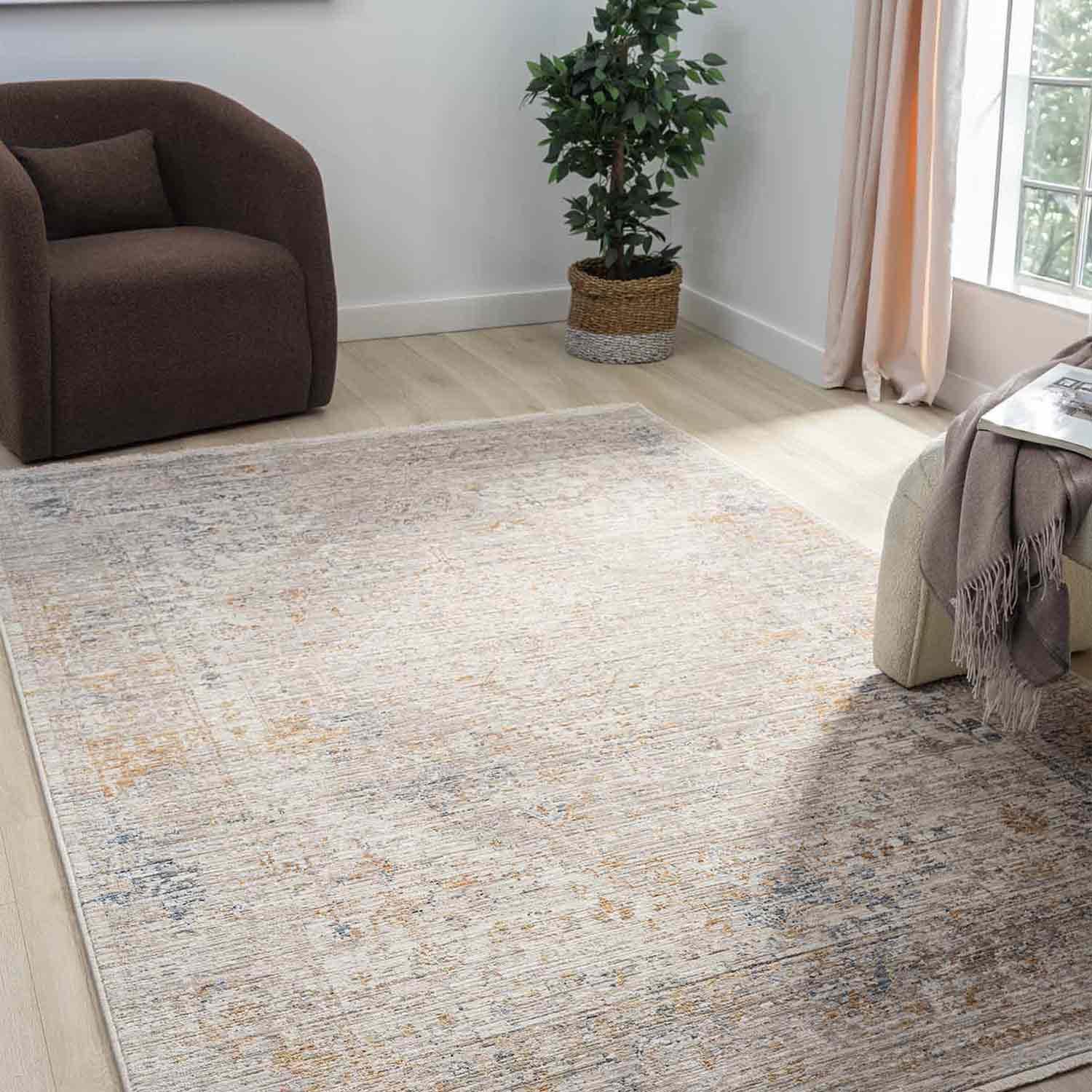
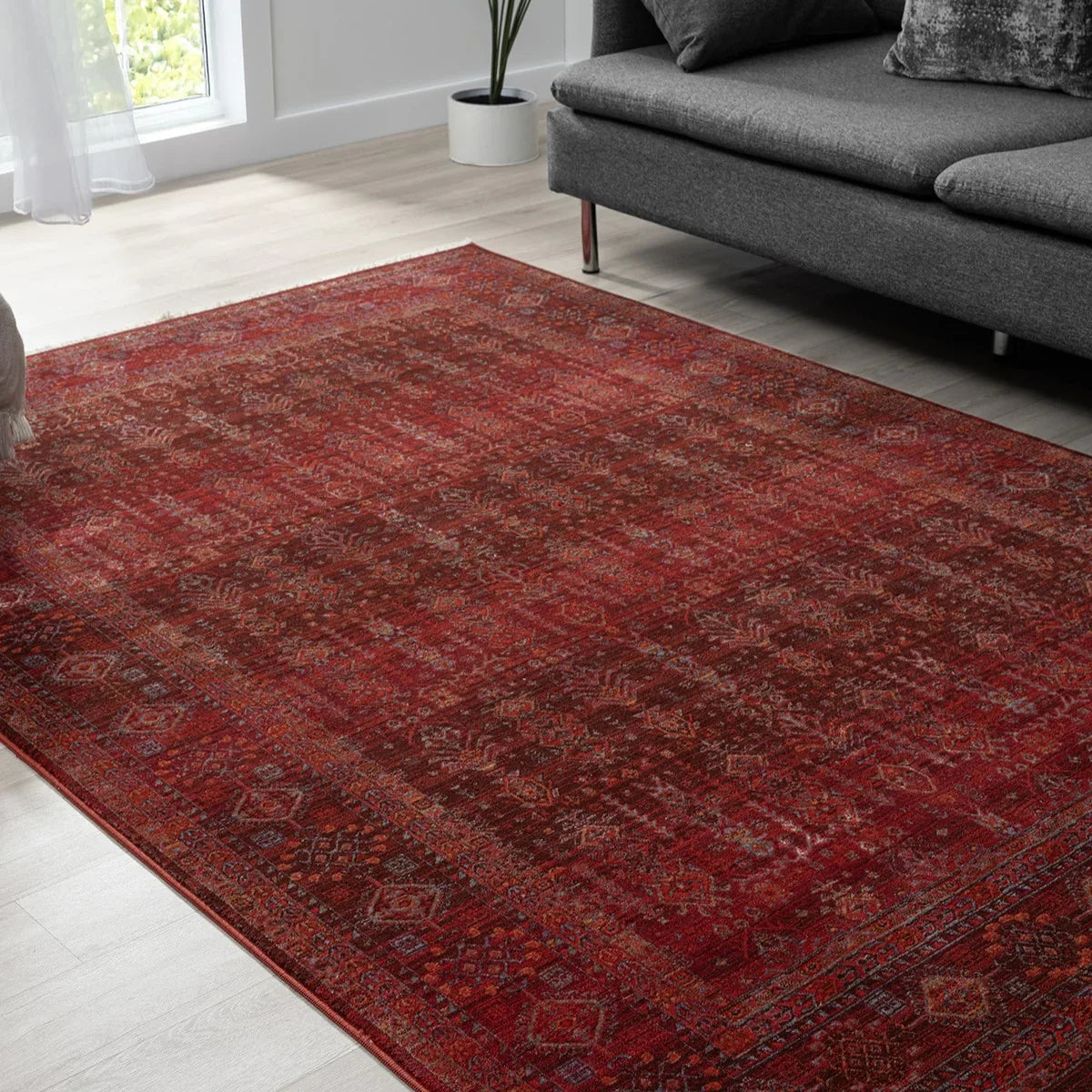
💡 Pera Halı's "Heritage Collection" brings this historical texture back to life with modern lines.
The carpets presented to Atatürk are not just works of art; they represent the love, labor and cultural richness of a nation .
Every stitch is an expression of gratitude.
Thanks to these carpets, the excitement of the early years of the Republic continues to live on in today's homes.
Atatürk's words, "The Turkish nation is hardworking and intelligent," become a concrete reality in these works – because every stitch bears the trace of that diligence, elegance, and loyalty.