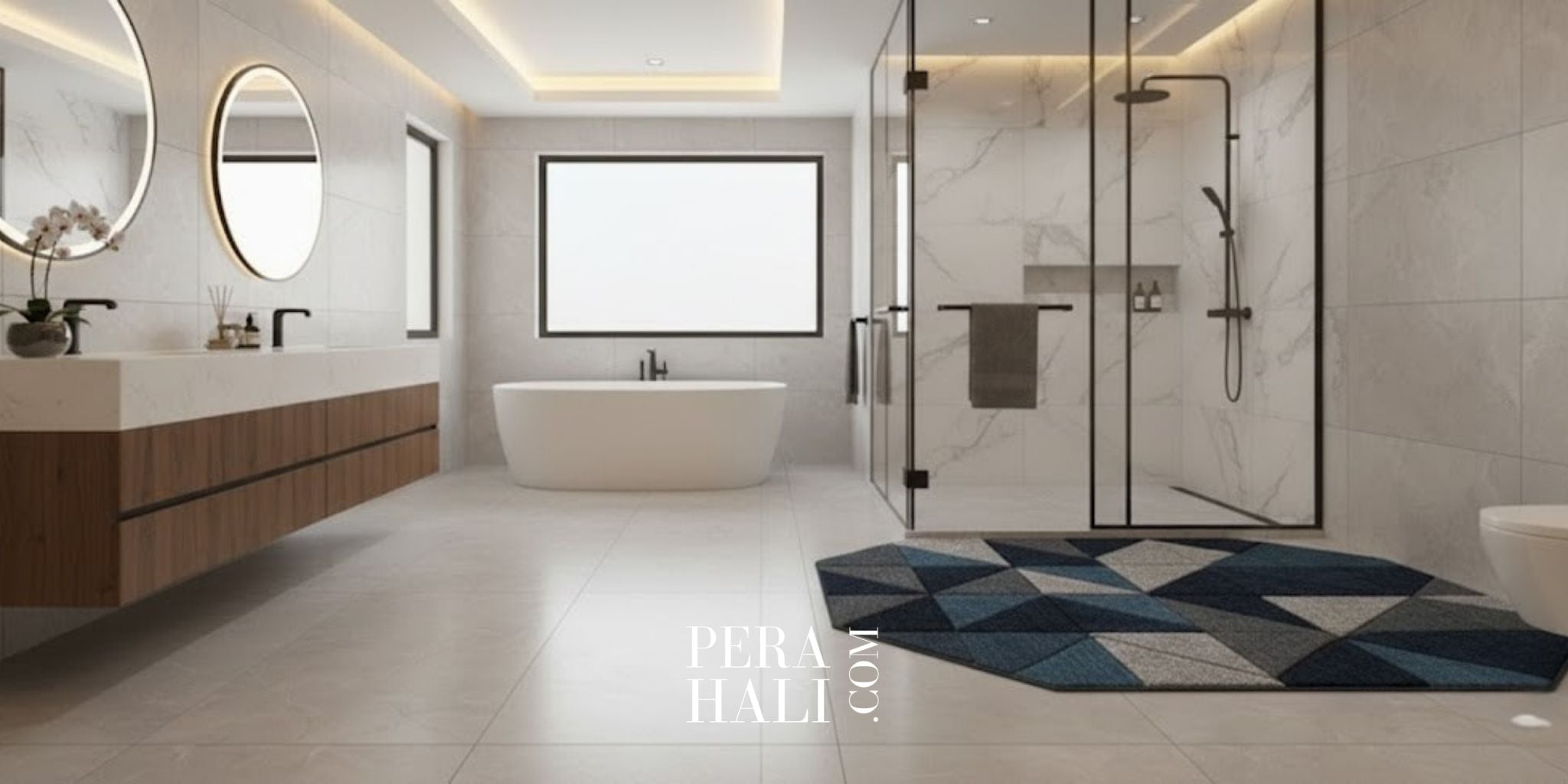
Non-Slip Rug Models for Bathrooms and Showers
Bathrooms and shower areas are among the most frequently used parts of the house, but they also carry an extra risk of slipping. Wet routines, water vapor, and sudden movements can lead to dangers that go unnoticed on a daily basis. Therefore, the choice of bathroom textiles should be considered not only in terms of aesthetics but also in terms of safety.
Non-slip rugs are among the important products that increase durability in damp environments. A properly certified bathroom rug not only stays firmly in place on the floor but also absorbs water quickly, providing more stable use. It also enhances foot comfort after showering, making the bathing experience more enjoyable.
Why Do Bathroom and Shower Areas Require Special Carpets?
Bathroom and shower areas are exposed to more moisture and sudden wetting than other living areas. This can cause standard carpets to slip or deteriorate temporarily. Non-slip bathroom rugs, therefore, adhere to the floor thanks to their specially developed backing structure.

It is also important that the carpets used in these areas absorb water quickly and dry rapidly. Products that retain moisture can lead to odor formation and hygiene problems.
Material Selection in Non-Slip Rug Models
The material used in bathroom rugs is as important as their drag resistance. Microfiber, cotton blends, and synthetic yarns stand out for their water absorption capacity and quick-drying properties. These types of materials provide better adaptation to damp floor conditions.
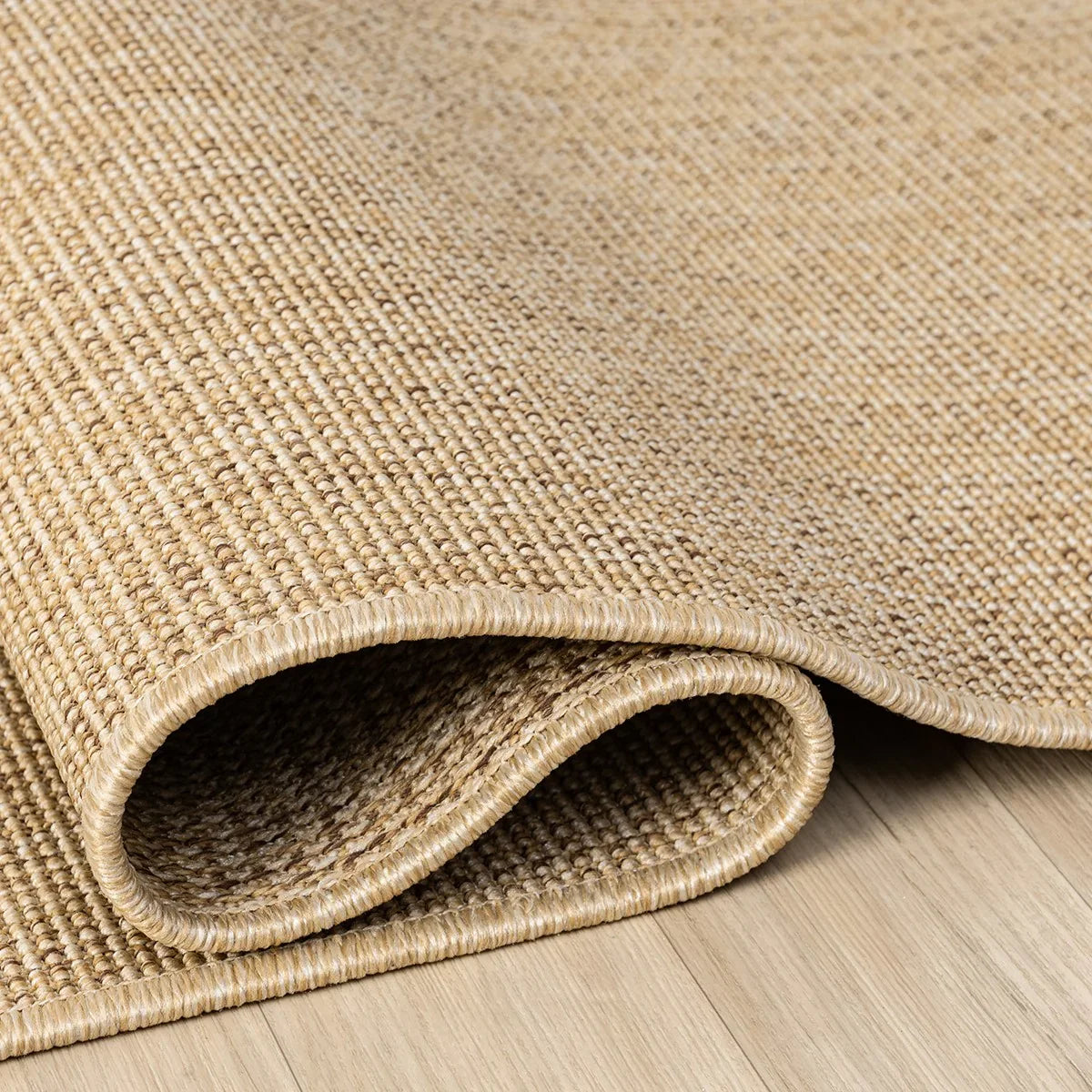
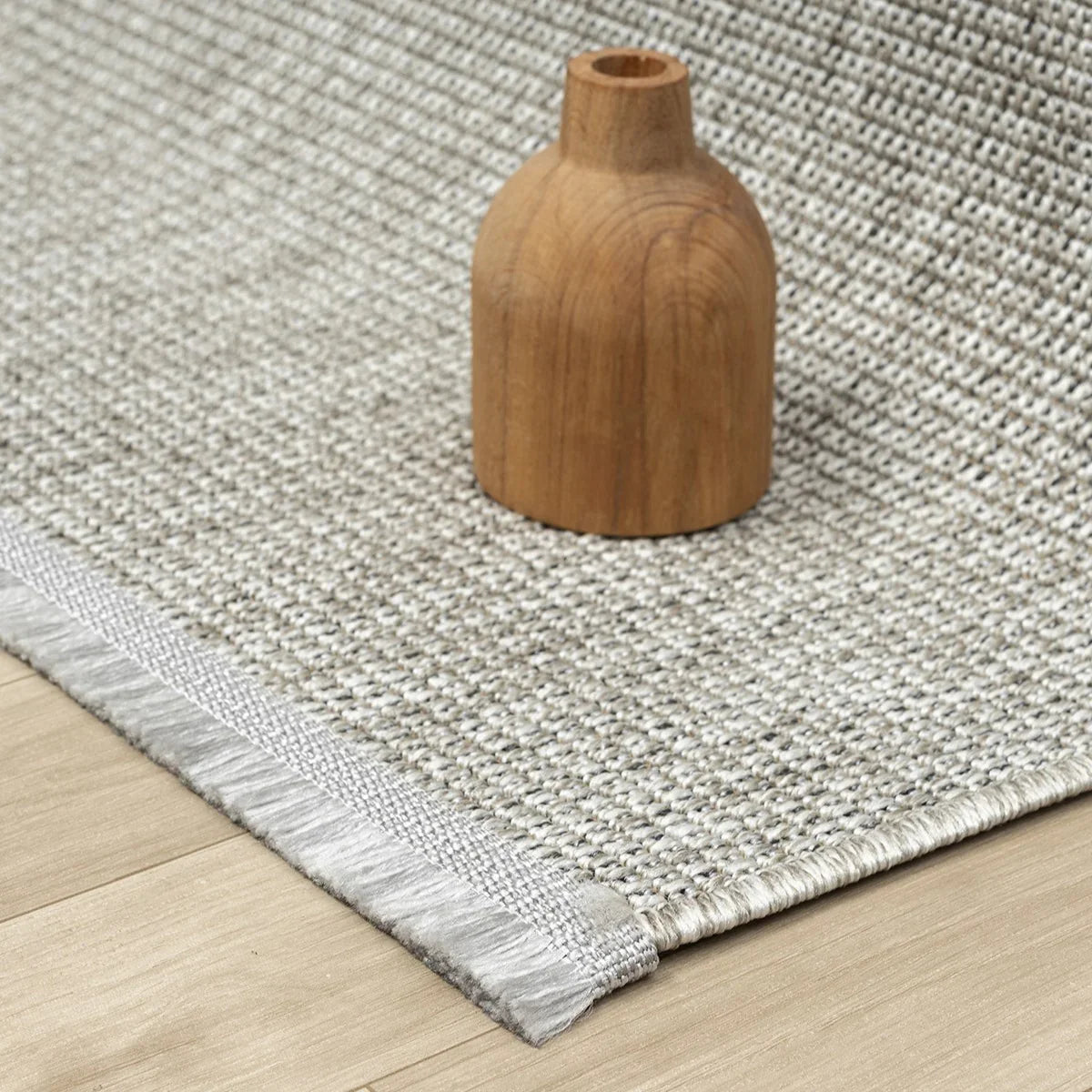
Latex or silicone-based wedge-shaped surfaces used on the underlay help to hold the rug in place. Some bathroom rug models in Pera Halı's collections offer both comfort and safety with a production approach that considers this balance.
Why is slip resistance vitally important on wet surfaces?
Slips on wet floors pose serious risks, especially for children and the elderly. Wet feet after showering make it even more important for the rug to stay in place. Non-slip rugs reduce these risks, creating a safer bathroom environment.
Also, since bathroom floors are usually ceramic or tile, the smooth surface increases the risk of slipping. Therefore, the rug used should match the floor.
Cleaning and Hygiene in Bathroom Rugs
Maintaining the hygiene of bathroom rugs is essential for a healthy environment. Regular washing and proper drying both extend the life of the rug and prevent bacterial growth. Washable models offer convenience in this respect.
Instead of harsh, chemical-based cleaning products, gentler detergents should be preferred. This preserves the carpet's texture and provides a safer experience for sensitive skin.
Choosing Rugs for Small Bathrooms
When choosing a rug for small bathrooms, measurement and placement are crucial. Rugs that are too large can create cramped space and create borders. Rugs that fit snugly to the floor, are measured, and have an offset backing offer a more balanced look.
Light tones and simple textures can make the bathroom feel more spacious. In this space, aesthetics and functionality should be considered together.
Things to Consider When Choosing Shower Mats
Shower mats should have high absorbency to withstand direct water exposure. They should also offer a soft feel underfoot, enhancing comfort. Models with strong, non-slip backing ensure a secure step at the shower exit.
Are non-slip rugs a must for the bathroom?
Non-slip rugs provide a strong safety feature to reduce the risk of slipping on wet surfaces.
How often should bathroom rugs be cleaned?
Depending on the intensity of use, washing once a week is recommended for hygiene reasons.
Can it be used in front of his rug?
No, only absorbent and non-slip rugs offer safe use in front of the shower.
Will the non-slip base damage the floor?
Products with quality base materials remain stable even when the ground slips.