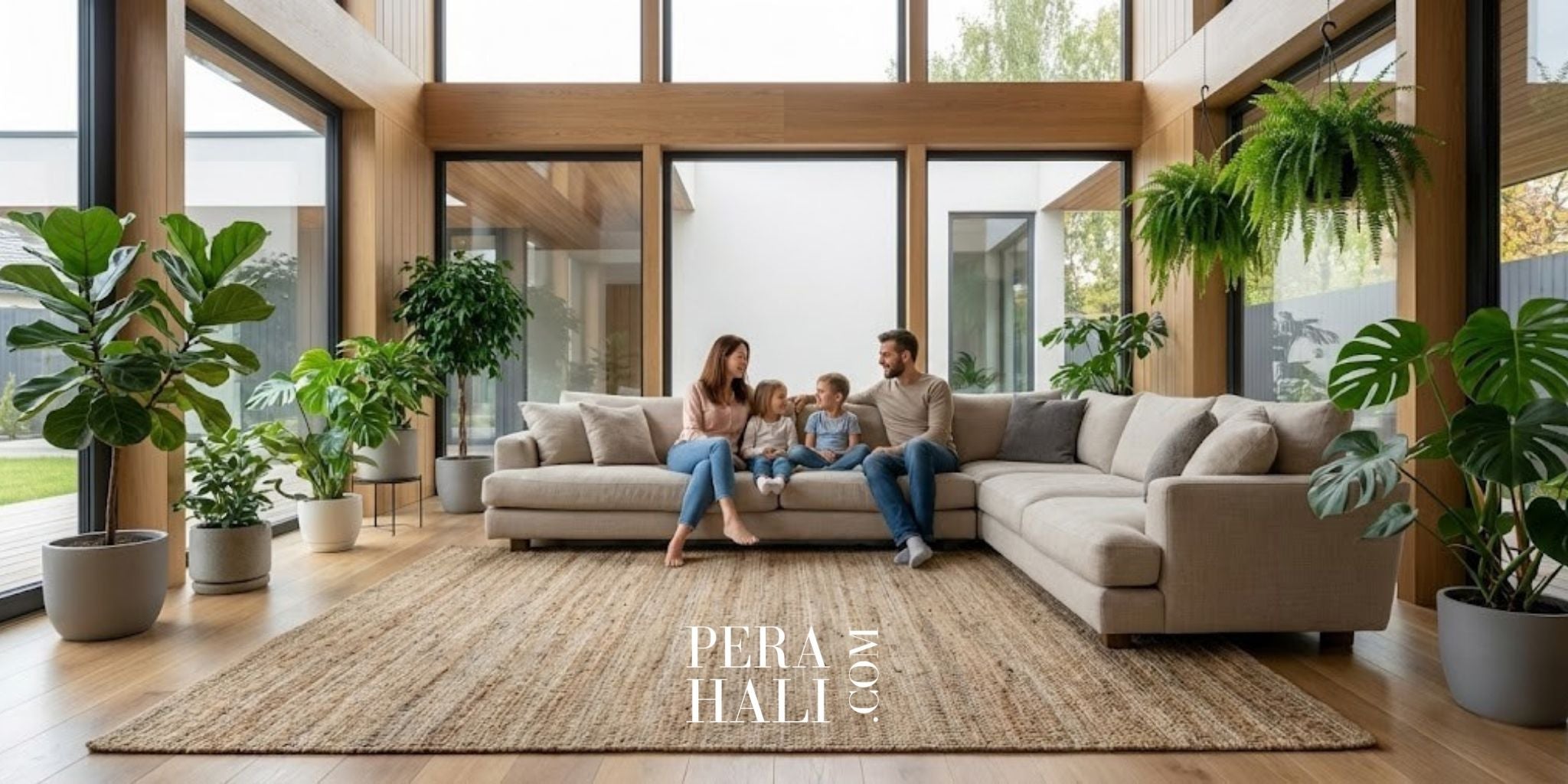
Living Space Design with Plants: Modern and Aesthetic Touches That Bring Nature into Your Home
In the fast-paced rhythm of city life, the longing for nature has led to plants playing a leading role in interior design. Designing living spaces not only for aesthetic reasons but also as a place of spiritual purification is key to a peaceful home in the modern world. Designs incorporating plants purify the air while adding visual depth and vibrancy. Inviting the green tones of nature into the interior makes the space feel more spacious, breathable, and distinctive. The important thing in this design journey is to position plants not just as decorative objects, but as an organic part of the living space.
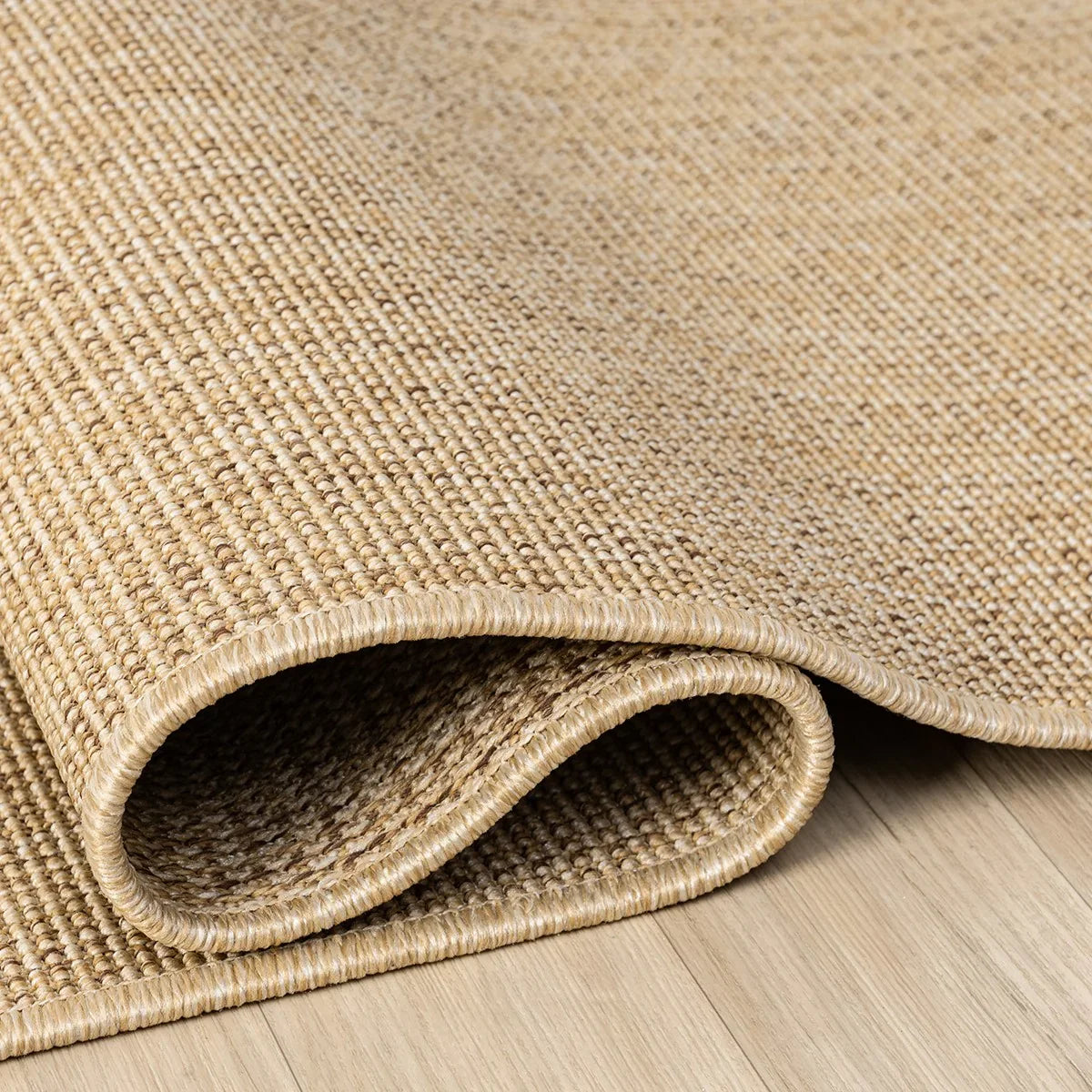
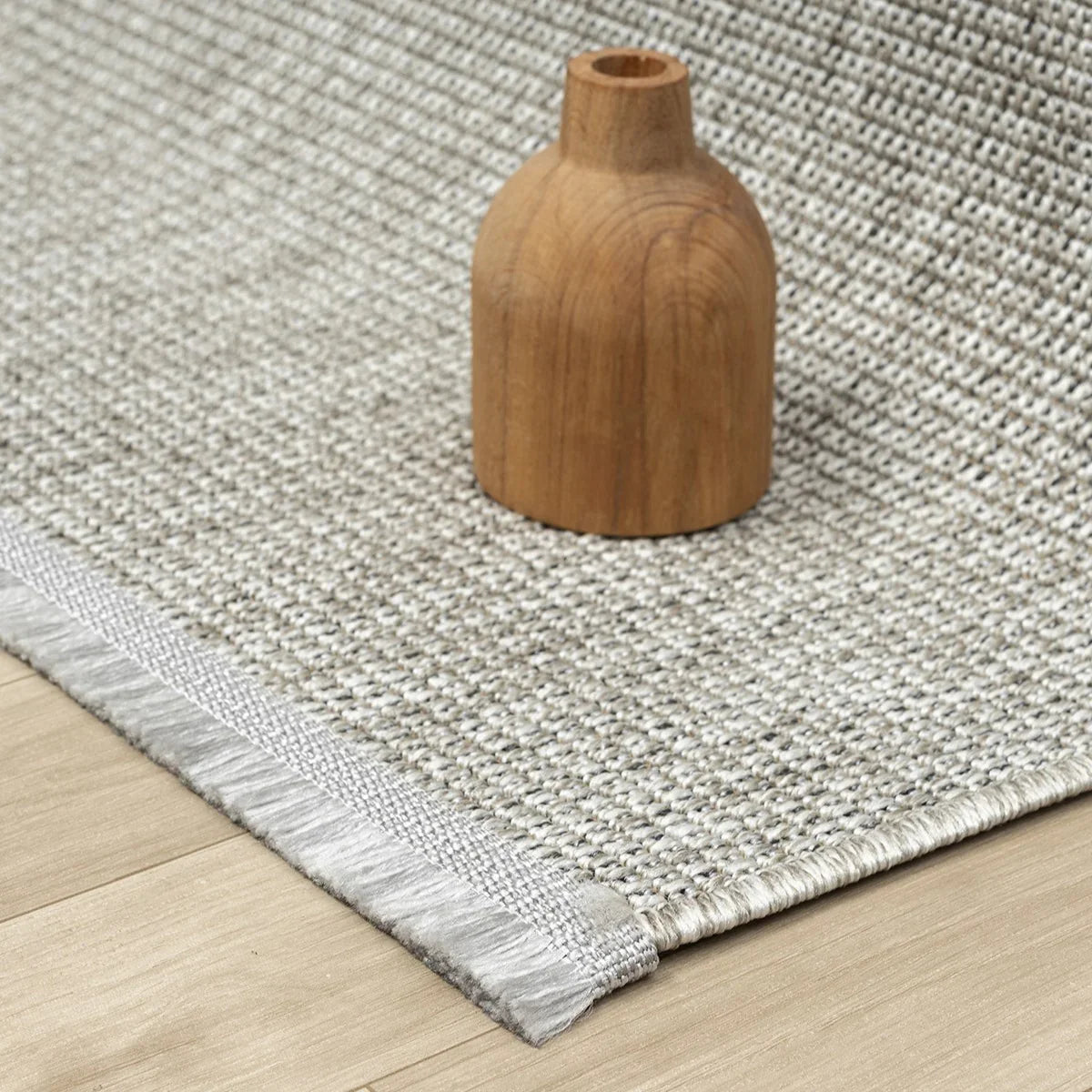
To create a natural atmosphere, innovative approaches are needed to combine the vibrancy of plants with the architectural texture of the space. From large-leaved elephant's ear plants to elegant succulents, each plant creates a different energy focal point in the room. To support this energy on the floor, textiles made from natural fibers play a major role. Pera Halı 's collections, prepared with eco-friendly materials, bring the raw and pure texture created by plants to the floor, offering holistic elegance. In a contemporary living room design, the harmony of the greenery of plants with a jute or cotton rug instantly transforms the space into a haven of tranquility.
Biophilic Design: Nature's New Face in Indoor Spaces
Biophilic design is a way of reflecting humanity's innate connection to nature in architecture. This movement advocates not only for the use of plants but also for integrating light, water, and natural materials into the decoration. When designing a living space with plants, it is important that the materials used, as well as the placement of the plants, do not disrupt this naturalness. Wooden surfaces, stone details, and linen textures reinforce the energy of the plants. Pera Halı 's natural-toned models form the foundation of this biophilic movement, providing an uninterrupted flow of nature in your home.

Determining the Focal Point in Plant Placement
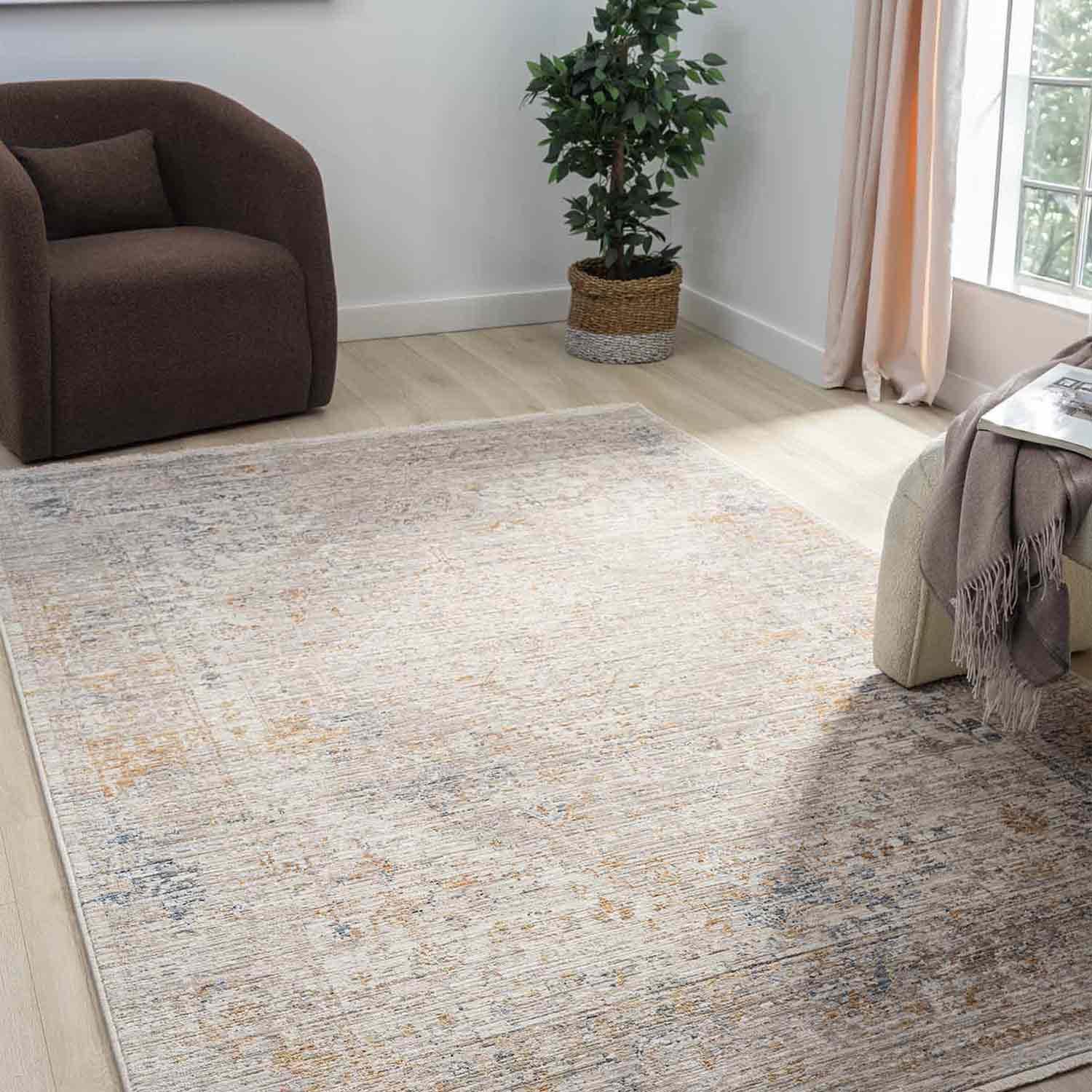
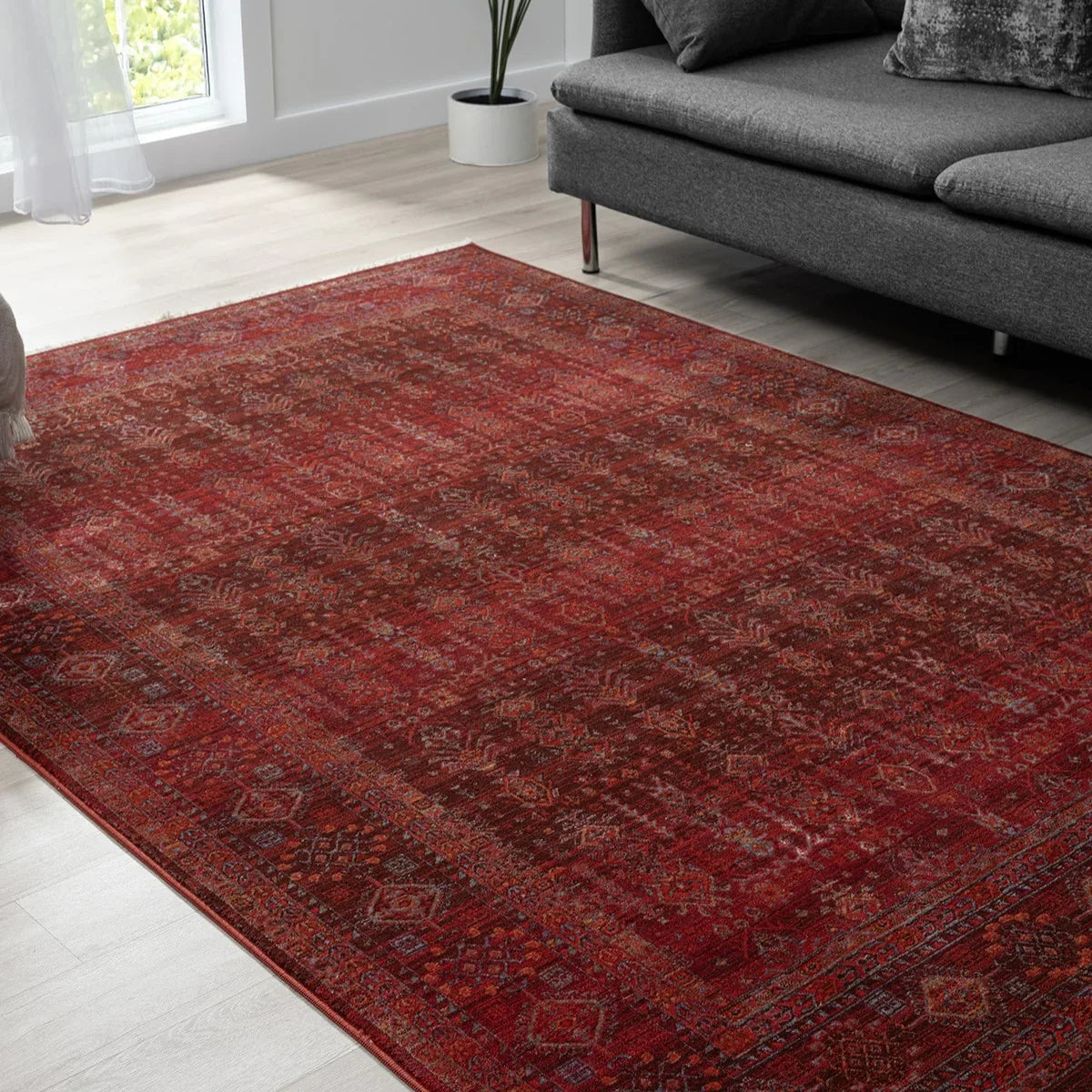
Every room should have a star plant. A large Ficus Lyrata or Strelitzia, usually placed in a corner that receives sunlight, establishes the focal point of the room. A hierarchy can be created around this main plant with smaller potted plants. When designing plant corners, a contemporary patterned runner or rug on the floor visually defines the area. The contrast between the organic forms of the plants and the geometric lines of the rug is one of the most stylish details of modern decoration.
An Aesthetic Atmosphere Through the Play of Light and Shadow
The leaf shapes of plants create captivating shadow plays on walls and floors when light hits them at the right angle. To best showcase this natural work of art, light tones should be chosen for the walls and understated patterns for the floor. With new generation lighting solutions, you can create a dramatic atmosphere in the evenings by illuminating your plants from below or behind. The way the light meets the plant shadows falling on the soft texture of Pera Carpets adds depth to your living space.
Which Plants Are Easier to Care For and Look Stylish at Home?
Among the easiest and most aesthetically pleasing plants to care for at home are Sansevieria (Snake Plant), Pothos (Ivy), and Aloe Vera. These plants are both tolerant of low light and known for their air-purifying properties. When combined with modern pots, they adapt to any decorating style. Especially if you embrace a minimalist style, the vertical form of the Sansevieria adds a modern silhouette to the room. Balancing these vertical lines with a horizontally patterned rug on the floor distributes the visual weight of the room evenly.
Vertical Gardens and Solutions for Small Spaces
If you don't have a large space, you can create vertical gardens using the walls and ceilings. Vines hanging from macrame hanging from the ceiling add a bohemian and stylish feel to the space. Small cacti placed on wall shelves save space. Since the floor is always more visible in such vertical arrangements, you should maintain a sense of spaciousness by choosing simple models from the Modern Rugs collection when selecting a carpet.
What should be considered when caring for plants at home?
The most basic rule in plant care is correctly determining the amount of light and water each plant needs. You shouldn't expose your plants to direct sunlight, but you shouldn't leave them in complete darkness either. Also, choosing models with drainage when repotting prevents root rot. You should always use a watering pad to protect your flooring and carpet when watering your plants. While Pera Carpet 's easy-to-clean textures offer practical use and prevent water dripping, controlled watering is always best for plant health.
Color and Material Harmony in Pot Selection
The choice of pot is just as important as the plant design in completing the aesthetics. Concrete pots add an industrial feel, while terracotta pots provide a more rustic and warm look. Metallic pots, following current fashion trends, add a touch of luxury. Creating a color connection between your pot colors and the main tones of your rug prevents design clutter in the room and creates a professional look.
How should plants be used in kitchens and bathrooms?
In kitchens, aromatic herbs (rosemary, mint, basil) offer both a stylish look and fresh scents. Bathrooms, with their high humidity levels, are ideal for plants that thrive in moisture. Since floors in areas like bathrooms and kitchens can be affected by moisture, using jute rugs or durable natural rugs brings the natural feel of plants to these functional spaces. Using plants in these areas breaks the sterile look and adds life to the space.
What should be the first step in adding freshness to living spaces with plants?
The first step is to create a light map of the room. After determining how much sunlight each corner receives, you should choose a plant suitable for those conditions. Then, update the furniture arrangement, leaving a comfortable space around the plant. For the floor, lay the foundation of the decoration with a high-quality Pera rug model that complements the plant's natural tones (green, brown, cream). Starting with a few plants and gradually enriching the space allows the design to develop more organically.
Seasonal Touches in Decorating with Plants
Plants are living organisms, so they change with the seasons. You can liven up your balconies and terraces with flowering species in the spring, and protect your indoor spaces in winter with more hardy leafy plants. You can also make small updates to your carpets to change the atmosphere of the room during seasonal transitions. Pera Carpet 's timeless designs will continue to provide the most stylish flooring for your plants as they grow and change.
A Story of a Peaceful and Modern Home in Harmony with Nature
Designing a living space with plants is not just about beautifying your home, but about reconnecting with nature. When you interpret trendy plant styles according to your own lifestyle, you create a living space that is uniquely yours. The calming green of plants, combined with proper light management and Pera Carpet 's comfortable flooring solutions, transforms your home into a true haven of relaxation. In these modern worlds where naturalness, aesthetics, and comfort are blended, take a breath of fresh air with your plants. Remember, the moment nature enters your home, your quality of life begins to improve.