Allergy-Friendly Carpet Cleaning Methods: Get Rid of Dust Mites
Dust and microscopic organisms that accumulate unnoticed in the home can pose a significant health problem for sensitive individuals. Carpets, in particular, are among the primary triggers for allergies in those prone to allergies. Allergy-friendly carpet cleaning methods help reduce dust mites in the home, creating a healthier living space. Proper cleaning habits not only ensure hygiene but also improve quality of life.
Carpets are one of the most frequently touched surfaces in the home. Therefore, incorrect cleaning practices can have negative consequences for sensitive individuals. For people with allergen sensitivities, both the cleaning methods and the products used are of great importance.
Why Do Dust Mites Cause a Problem?
Dust mites are microscopic creatures invisible to the naked eye that live between carpet fibers. These creatures can cause runny noses, itchy eyes, and respiratory problems, especially in sensitive individuals. Symptoms are more pronounced in people with a predisposition to allergies.

Therefore, carpets need to be cleaned not just superficially, but with the correct techniques. Carpets that are not regularly maintained increase their allergen load over time.
Basic Principles of Allergy-Friendly Carpet Cleaning
The first step in carpet cleaning is regular vacuuming. Vacuuming a few times a week prevents the accumulation of dust mites. A powerful vacuum cleaner filter system prevents allergens from being released back into the air.
Chemical-heavy cleaning products should be avoided. Products with natural ingredients or those suitable for sensitive skin should be preferred. Otherwise, residues left in the environment after cleaning can increase allergic reactions.
It is also very important that carpets dry completely. Carpets that remain damp create a suitable environment for dust mites. Therefore, good ventilation should be ensured after cleaning.
Cleaning Method According to Carpet Type
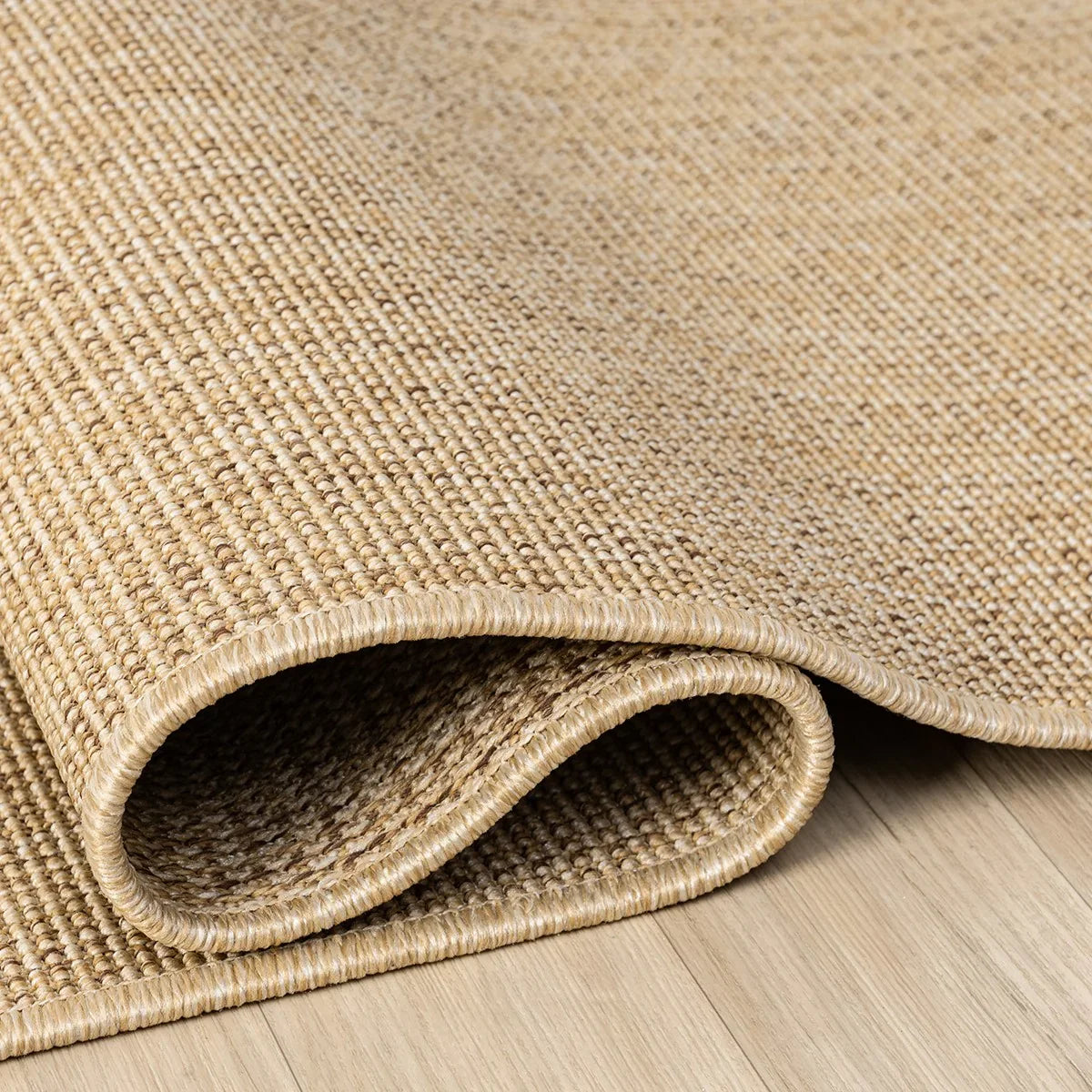
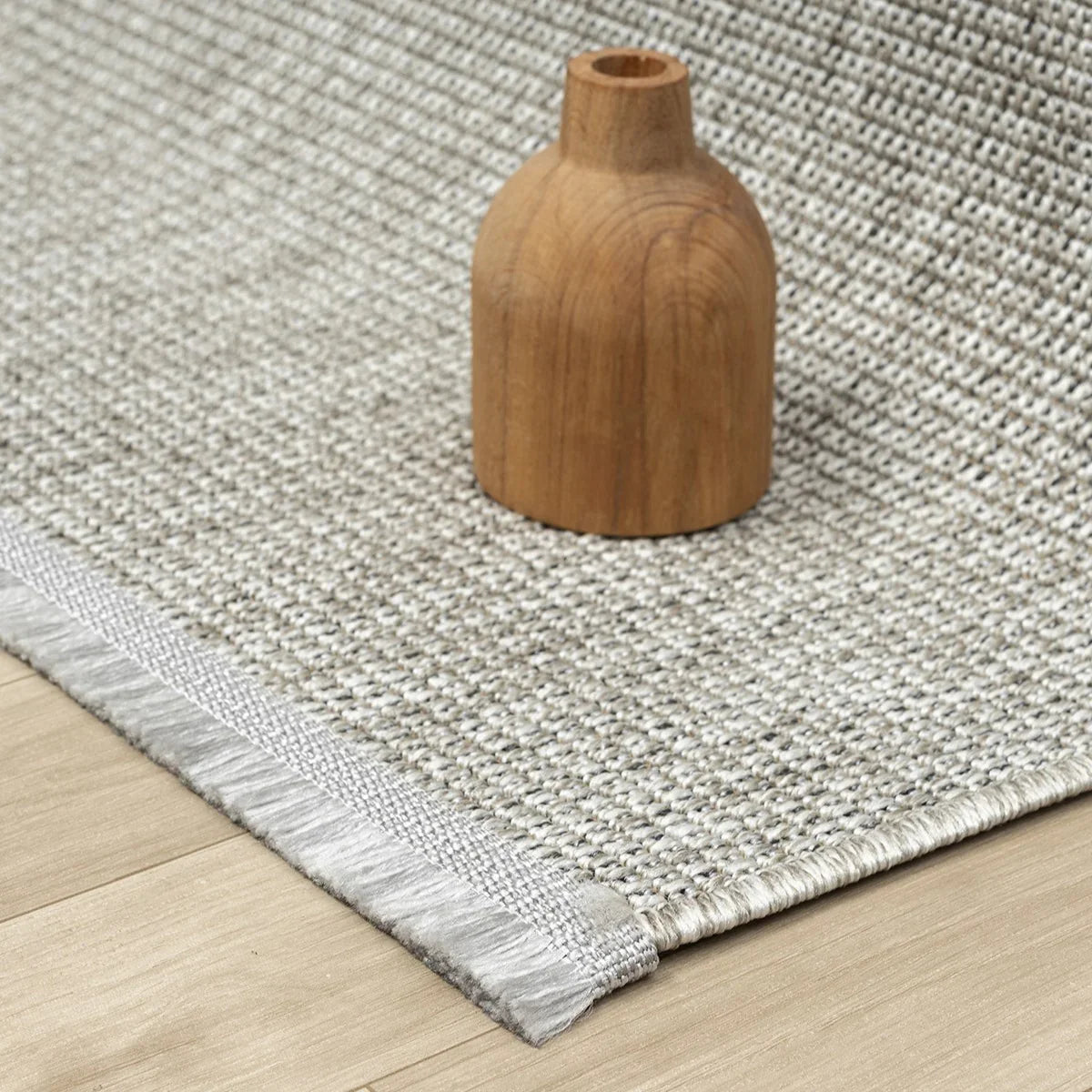
Low-pile carpets are more advantageous for people with allergy sensitivities. These carpets trap less dust and are easier to clean. Flat-weave carpets maintain their hygiene for a long time with regular vacuuming.
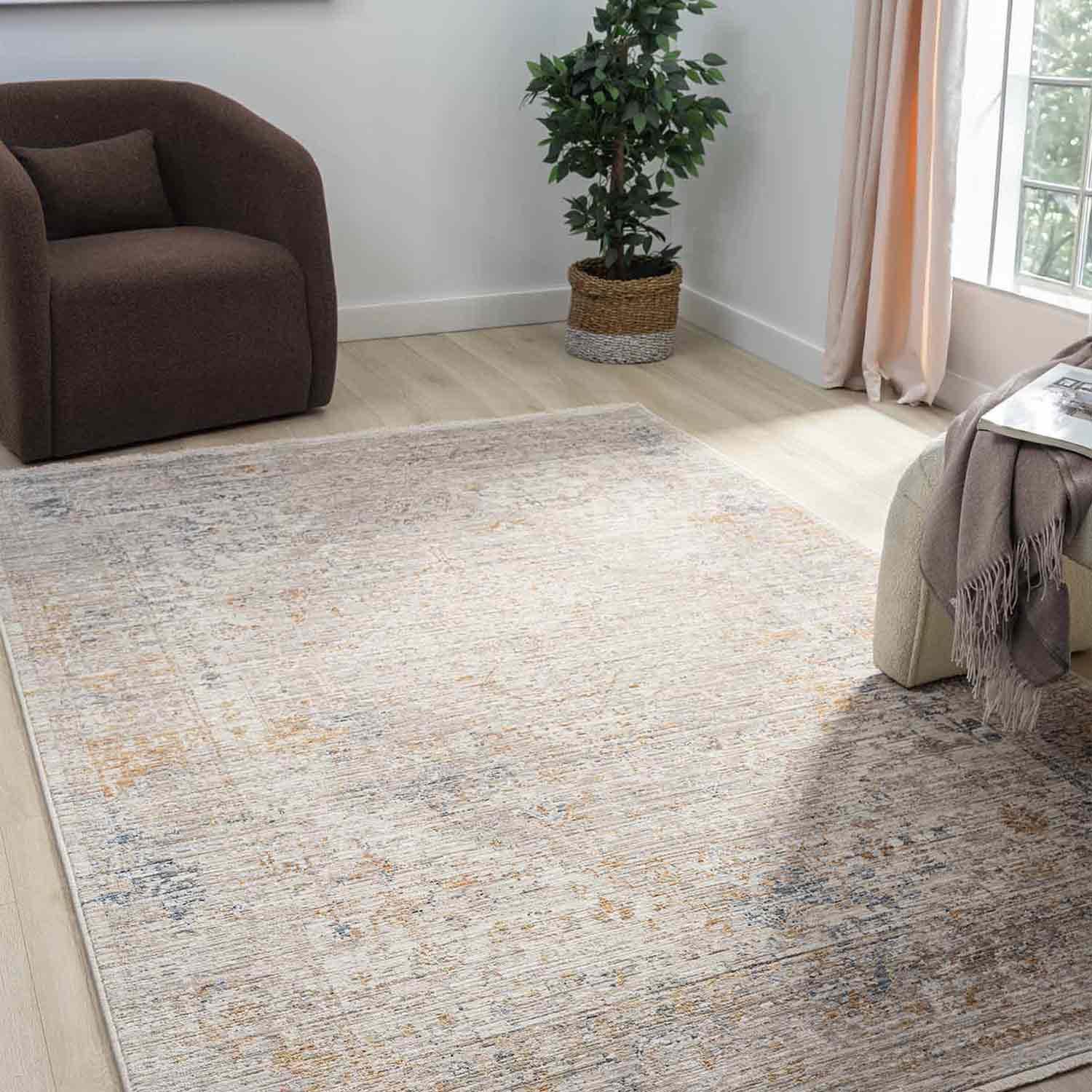
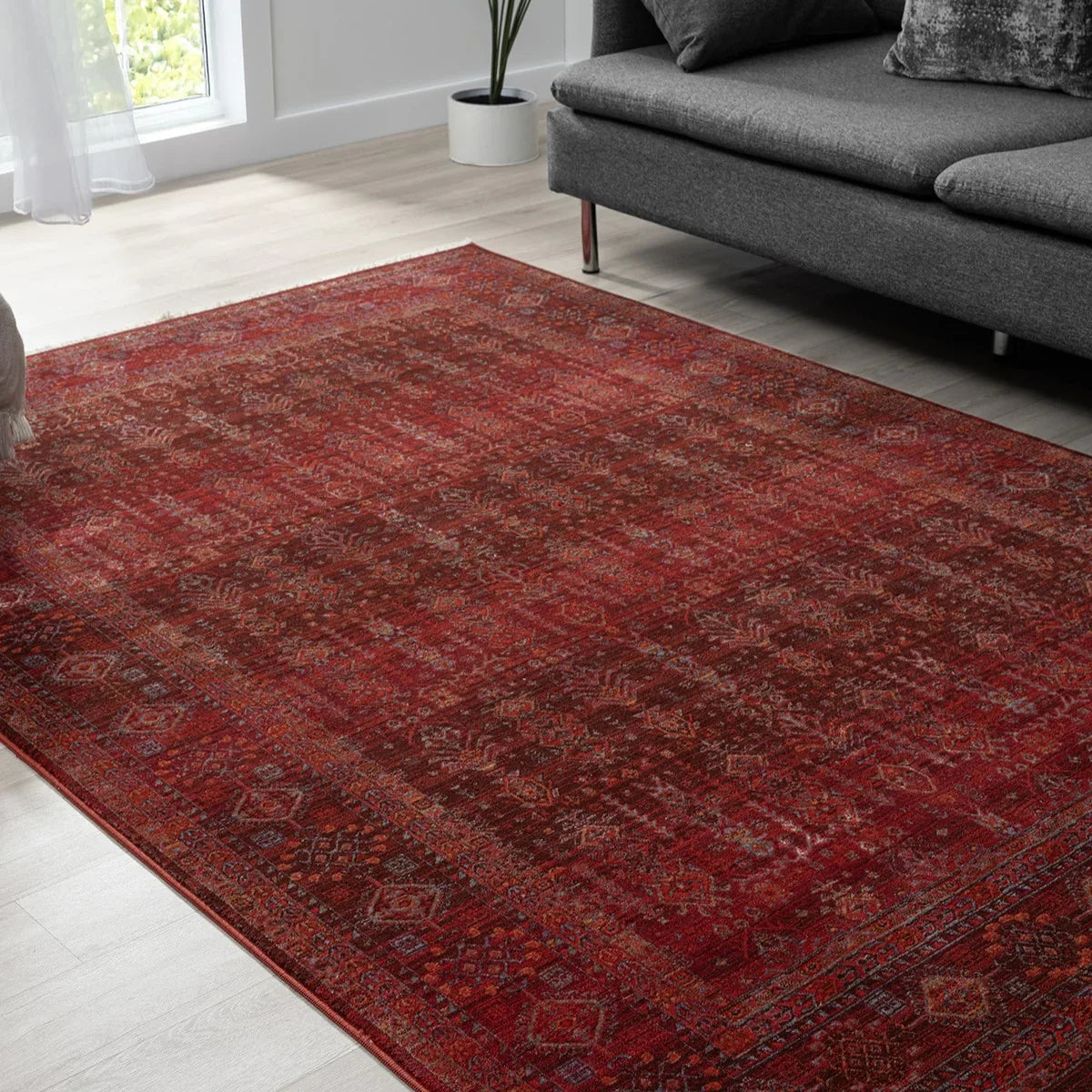
Carpets with timeless and balanced textures offer both a decorative and functional solution. The simple weave structures found in Pera Carpet collections are among the examples that facilitate the cleaning process.
Is Steam Cleaning Suitable for Allergies?
Steam cleaning, when done correctly, can help reduce dust mites. However, excessive moisture should be avoided. Incorrect application can damage the carpet's structure and increase fragility.
Therefore, if steam cleaning is to be done, it should be applied in a controlled and intermittent manner.
How Often Should Allergy-Friendly Carpets Be Cleaned?
Regular vacuuming should be done several times a week. Deep cleaning can be planned according to need.
Is Using Vinegar and Baking Soda Safe?
They are a preferred choice due to their natural ingredients, but should be used in moderation. Excessive use can damage the carpet fibers.
Is it possible to completely get rid of dust mites?
While it's difficult to eliminate it completely, the concentration can be significantly reduced with the right cleaning methods.
Which carpets should people with allergy sensitivities choose?
Low-pile, easy-to-clean, and tightly woven carpets should be preferred. These types of carpets limit allergen accumulation.
Allergy-friendly carpet cleaning methods are an effective approach to reducing unseen risks in the home. Controlling dust mites provides a more balanced living environment for sensitive individuals. With the right cleaning habits and appropriate carpet selection, time spent at home becomes more comfortable and safer. Creating a healthy home environment is possible with conscious care and regular cleaning.