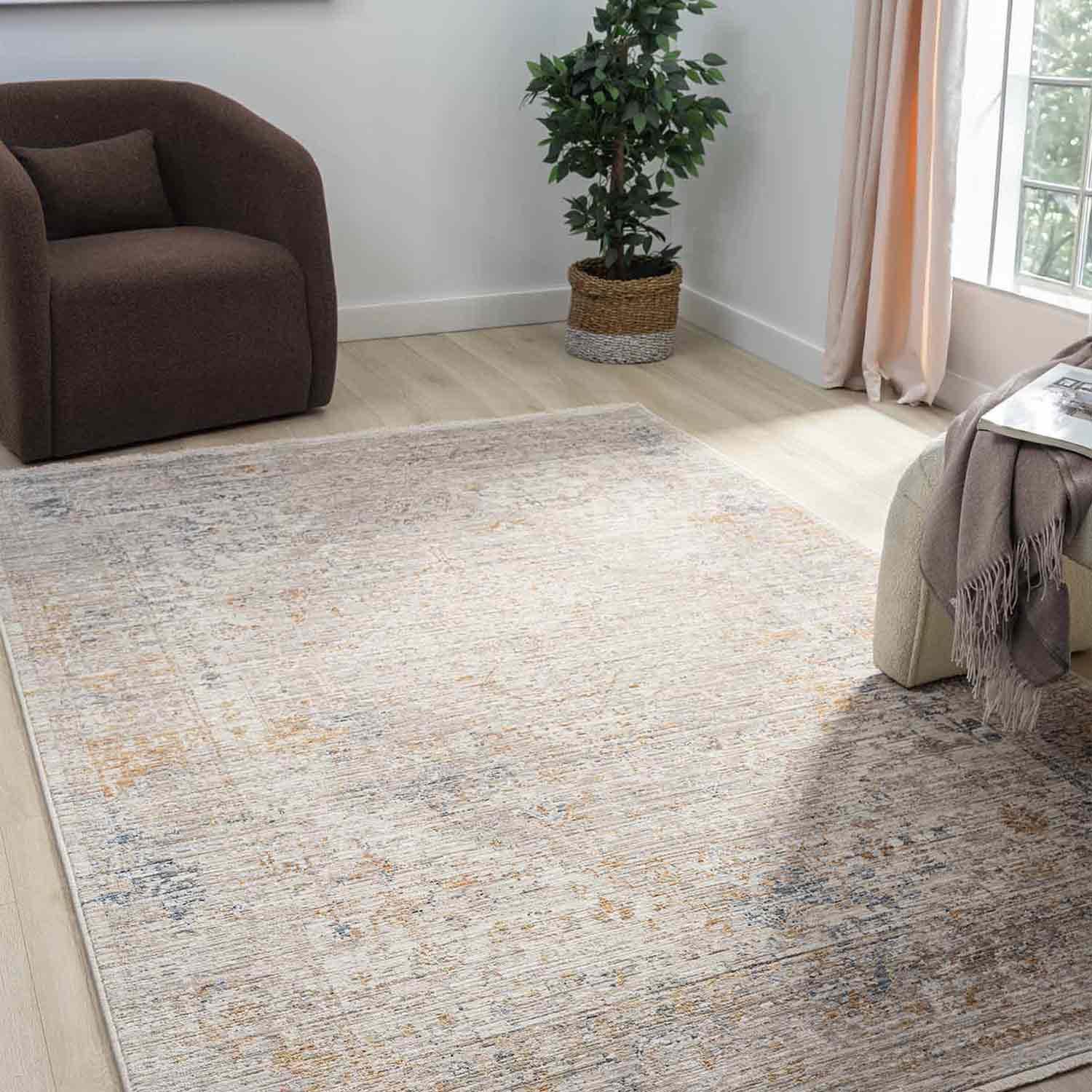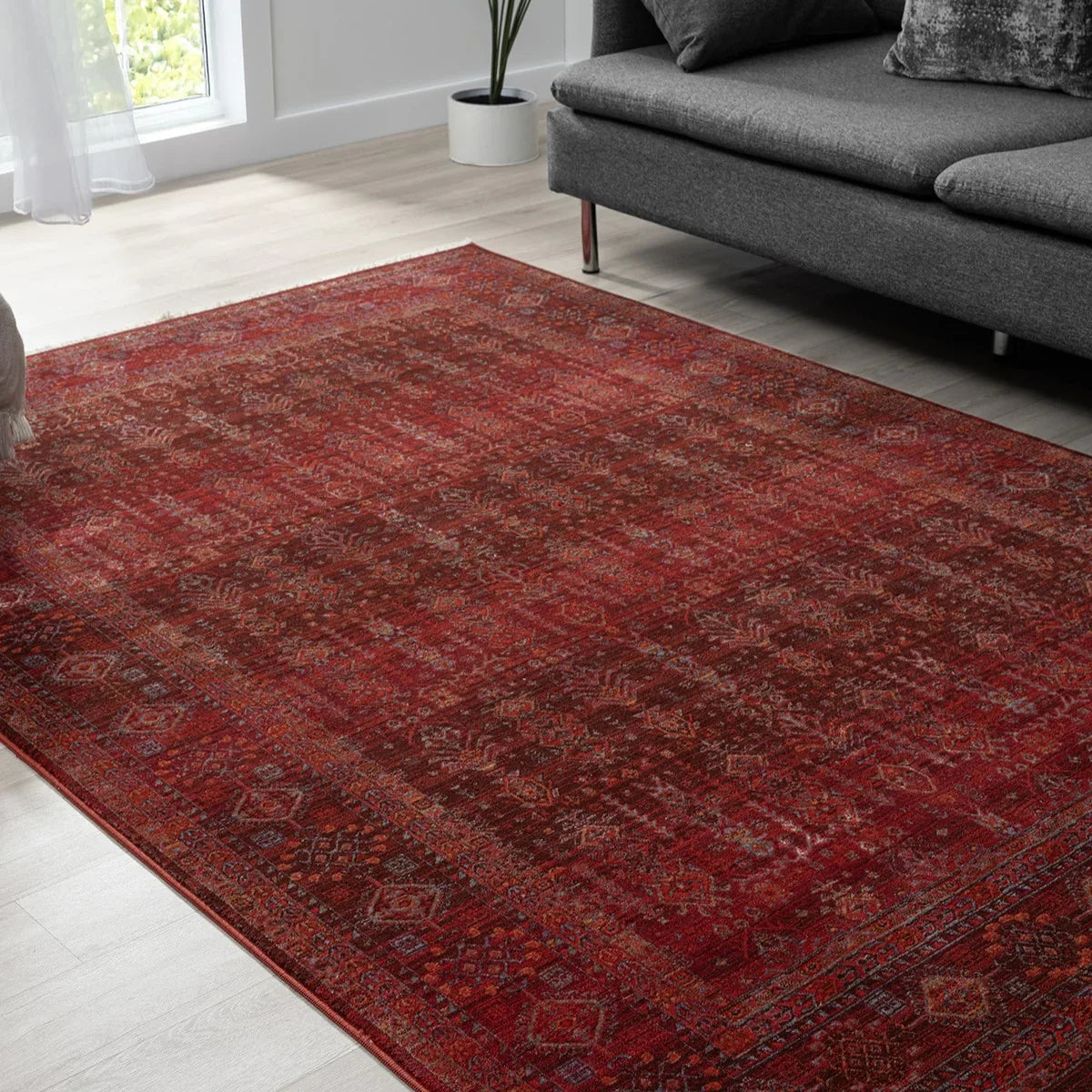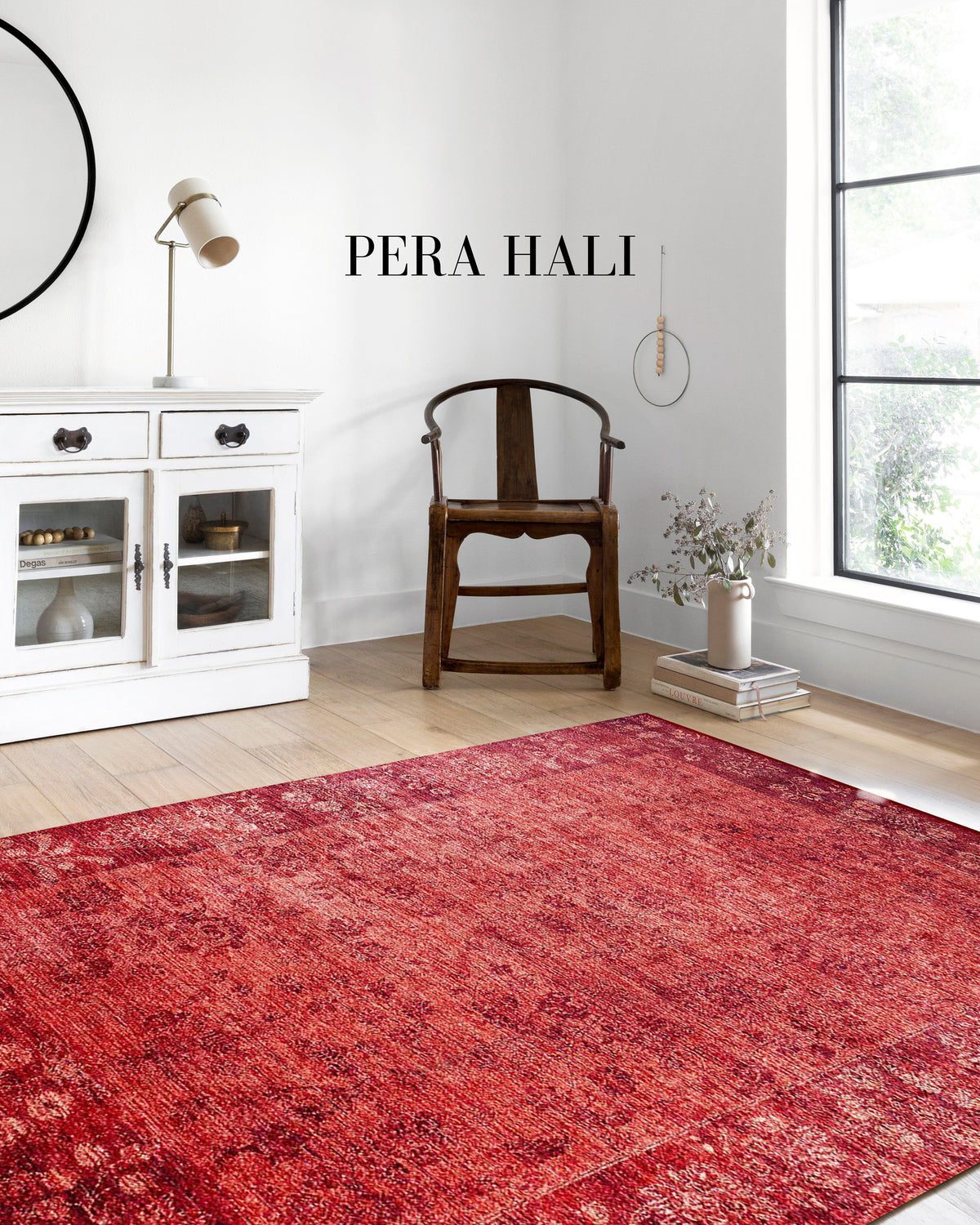

Brown Beige Geometric Antique Art Deco Rug


Gray Geometric Patterned Vintage Carpet


Gray Geometric Patterned Vintage Carpet - CLEARANCE - AL159OU


Gray Geometric Patterned Vintage Carpet - CLEARANCE - T0808OU


Red and Blue Medallion Patterned Vintage Rug


Gray Geometric Patterned Vintage Carpet - CLEARANCE - AL128OU


Gray Geometric Patterned Vintage Carpet - CLEARANCE - 14920OU


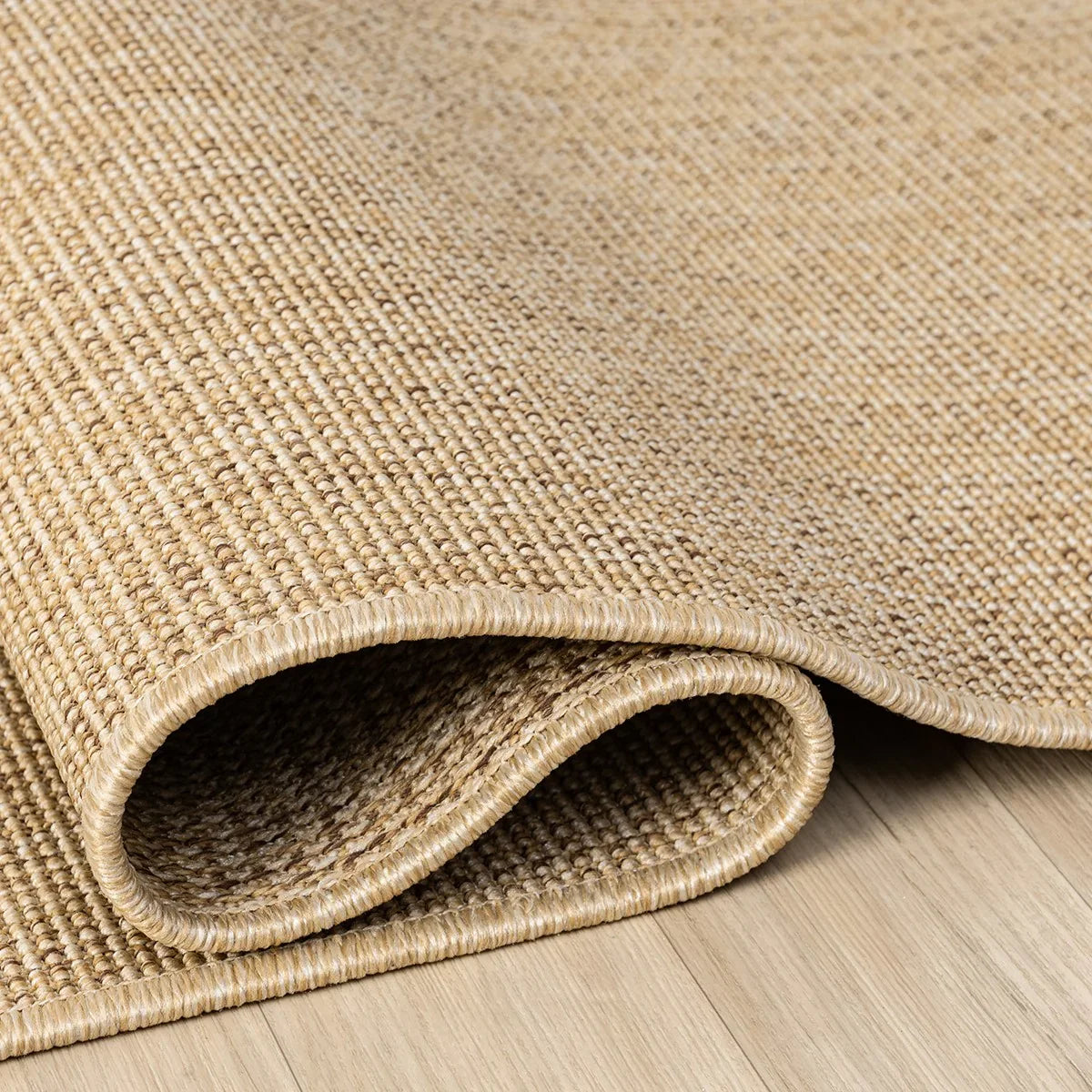
Plain Beige and Coffee Tones Wicker Textured Carpet


Gray Geometric Patterned Vintage Carpet - CLEARANCE - AL222OU


Brown Beige Geometric Antique Art Deco Rug

Brown Beige Geometric Antique Art Deco Rug


Brown Beige Geometric Antique Art Deco Rug


Red Vintage Patterned Carpet


Antique Vintage Blue Carpet


Uşak Blue Red Vintage Kilim Carpet
Son Zamanların Çok Satanları

Plain Beige and Coffee Tones Wicker Textured Carpet
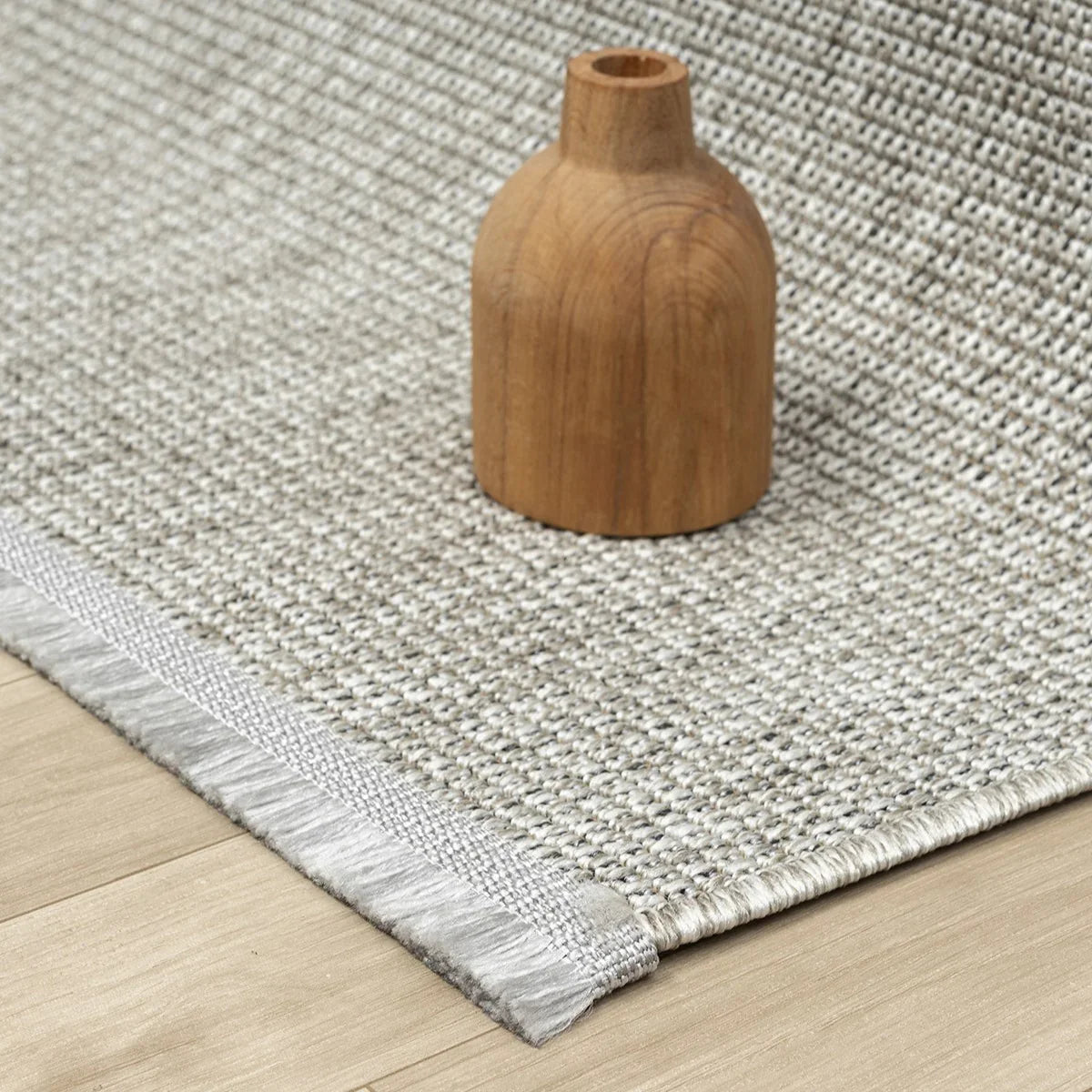
Meet our practical and stylish rugs that complement modern home decor! This digitally printed, washable rug features a simple yet distinctive horizontal weave (similar to wicker/jute) effect in beige and coffee tones. It creates a natural and tranquil backdrop for your room, as if a Mediterranean breeze has descended onto the floor. Its easy-to-clean design makes it ideal for homes with children and pets. Instantly change the atmosphere of your home!
Technical Specifications:
• Durable structure suitable for high pedestrian traffic
• Easy to vacuum and clean
• Does not cause fluff or dust
• Machine weaving
• Suitable for robot vacuum cleaner use
• Does not shed
• Thickness: 10 mm
• Yarn Type: 91% Polypropylene - 9% Polyester
• Sole: Woven Sole

Plain Beige and Coffee Tones Wicker Textured Carpet
Meet our practical and stylish rugs that complement modern home decor! This digitally printed, washable rug features a simple yet distinctive horizontal weave (similar to wicker/jute) effect in beige and coffee tones. It creates a natural and tranquil backdrop for your room, as if a Mediterranean breeze has descended onto the floor. Its easy-to-clean design makes it ideal for homes with children and pets. Instantly change the atmosphere of your home!
Technical Specifications:
• Durable structure suitable for high pedestrian traffic
• Easy to vacuum and clean
• Does not cause fluff or dust
• Machine weaving
• Suitable for robot vacuum cleaner use
• Does not shed
• Thickness: 10 mm
• Yarn Type: 91% Polypropylene - 9% Polyester
• Sole: Woven Sole

Plain Beige and Coffee Tones Wicker Textured Carpet
Meet our practical and stylish rugs that complement modern home decor! This digitally printed, washable rug features a simple yet distinctive horizontal weave (similar to wicker/jute) effect in beige and coffee tones. It creates a natural and tranquil backdrop for your room, as if a Mediterranean breeze has descended onto the floor. Its easy-to-clean design makes it ideal for homes with children and pets. Instantly change the atmosphere of your home!
Technical Specifications:
• Durable structure suitable for high pedestrian traffic
• Easy to vacuum and clean
• Does not cause fluff or dust
• Machine weaving
• Suitable for robot vacuum cleaner use
• Does not shed
• Thickness: 10 mm
• Yarn Type: 91% Polypropylene - 9% Polyester
• Sole: Woven Sole

Plain Beige and Coffee Tones Wicker Textured Carpet
Meet our practical and stylish rugs that complement modern home decor! This digitally printed, washable rug features a simple yet distinctive horizontal weave (similar to wicker/jute) effect in beige and coffee tones. It creates a natural and tranquil backdrop for your room, as if a Mediterranean breeze has descended onto the floor. Its easy-to-clean design makes it ideal for homes with children and pets. Instantly change the atmosphere of your home!
Technical Specifications:
• Durable structure suitable for high pedestrian traffic
• Easy to vacuum and clean
• Does not cause fluff or dust
• Machine weaving
• Suitable for robot vacuum cleaner use
• Does not shed
• Thickness: 10 mm
• Yarn Type: 91% Polypropylene - 9% Polyester
• Sole: Woven Sole

Plain Beige and Coffee Tones Wicker Textured Carpet
Meet our practical and stylish rugs that complement modern home decor! This digitally printed, washable rug features a simple yet distinctive horizontal weave (similar to wicker/jute) effect in beige and coffee tones. It creates a natural and tranquil backdrop for your room, as if a Mediterranean breeze has descended onto the floor. Its easy-to-clean design makes it ideal for homes with children and pets. Instantly change the atmosphere of your home!
Technical Specifications:
• Durable structure suitable for high pedestrian traffic
• Easy to vacuum and clean
• Does not cause fluff or dust
• Machine weaving
• Suitable for robot vacuum cleaner use
• Does not shed
• Thickness: 10 mm
• Yarn Type: 91% Polypropylene - 9% Polyester
• Sole: Woven Sole
More Pazyryk Carpet
More Pazyryk Carpet
Why is the Pazyryk carpet so important?
Why is the Pazyryk carpet so important?
Are these carpets original?
Are these carpets original?
Which decorating style does it suit?
Which decorating style does it suit?