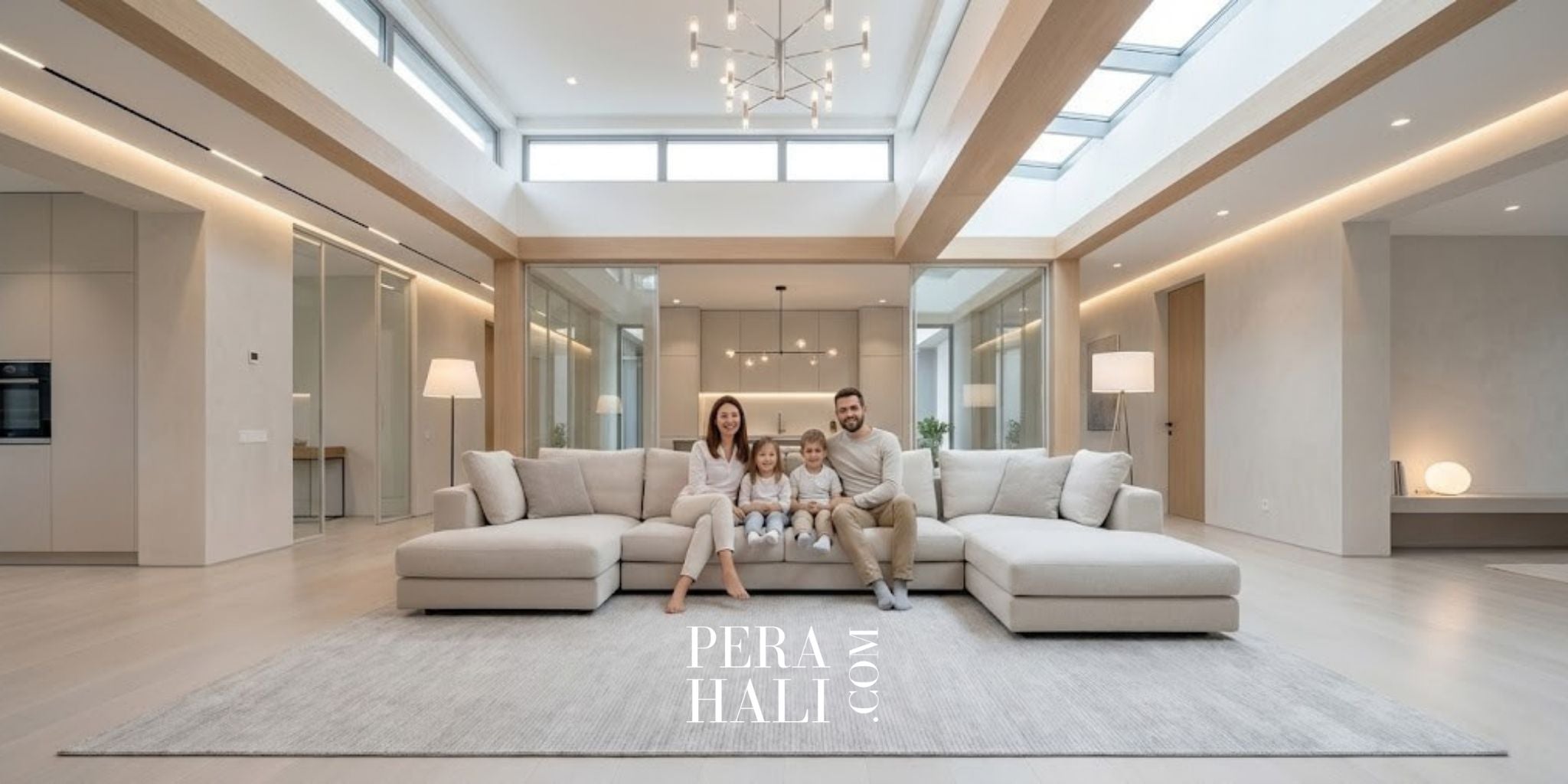
Architectural Touches and Lighting Solutions That Bring a Feeling of Darkness to Dark Rooms
Some rooms in our homes don't get enough natural daylight due to their architectural structure or location. These dark and cramped spaces can become gloomy if the right decorating strategies aren't applied. However, thanks to modern interior design solutions and cleverly chosen decorative elements, it's possible to transform even the darkest corners into bright and inviting living spaces. Managing light isn't just about choosing lamps; it's the art of using the reflective power of colors, surfaces, and textiles.
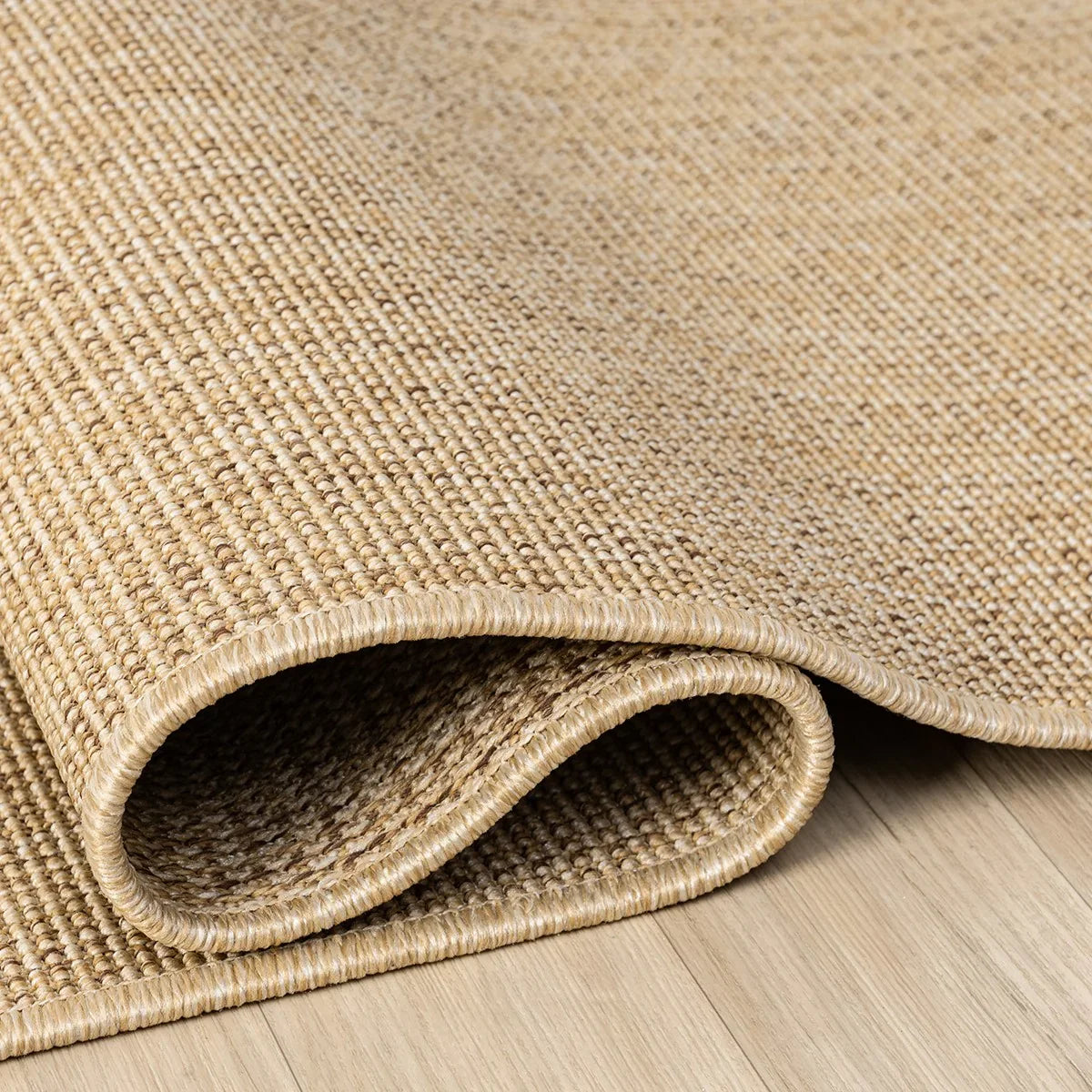
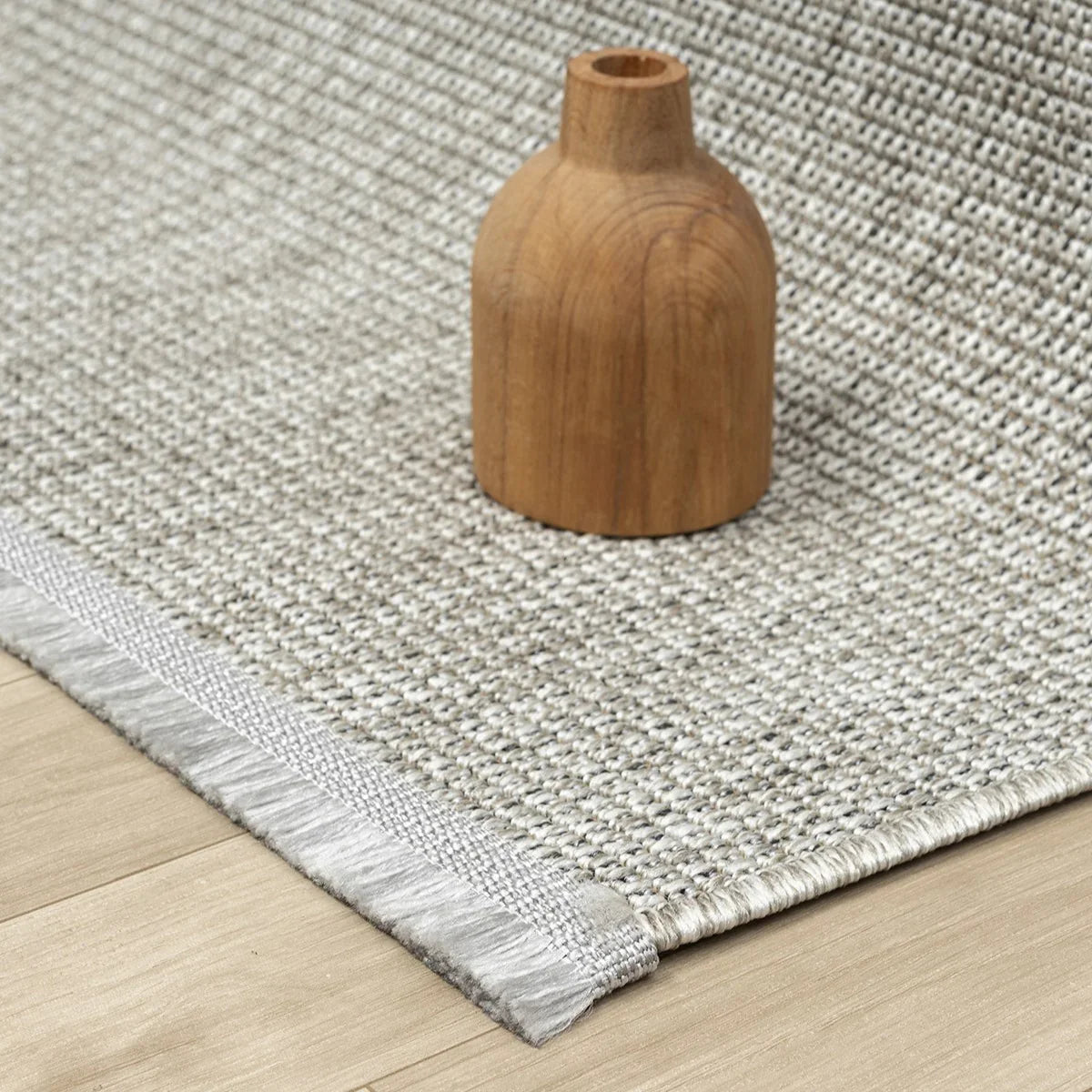
Drawing inspiration from the elegant aesthetics of the past to brighten a dark room and add soul to the space is quite impressive. Glass details or antique gilded mirrors, offering a nostalgic elegance, distribute light to every corner of the room, creating a sense of depth. In such areas, flooring plays a critical role in terms of light reflection. Pera Carpet 's light-toned and bright yarn models create a pool of light on the floor, contributing to a brighter appearance of the space. The right flooring textile is the quietest yet most effective aid in complementing architectural touches.
Strategic Placement of Reflective Surfaces and Mirrors
Mirrors are the best friend of rooms that don't receive much light. A large mirror placed directly opposite the wall where the light falls reflects the small amount of incoming light back into the room, doubling the brightness. Not only mirrors, but also shiny metallic surfaces, glass coffee tables, and satin paint finishes allow light to dance within the room. Transparent furniture used in modern decor creates a seamless flow of light without blocking it. Architecturally, replacing interior doors with frosted glass models also allows light from the hallway to filter in.

Light Color Palette and Optical Illusions
Choosing the right wall color is crucial in dark rooms. Instead of pure white, warm whites with subtle yellow or beige undertones should be preferred. These tones, when combined with artificial light, prevent the room from looking harsh and cold. Painting the ceilings a shade lighter than the walls gives the impression of higher ceilings. For the floor, instead of dark parquet, light oak tones and Pera Carpet 's minimalist series will spread a feeling of spaciousness from floor to ceiling.
Layered Design in Artificial Lighting
Relying on a single central light source in dark areas is a big mistake. Instead, a "layered lighting" approach should be used. Ceiling spotlights provide general illumination, while corner floor lamps and wall sconces eliminate shadows in the room. Old-fashioned crystal chandeliers, by refracting light from many different angles, add both modern and antique elegance to the room. The homogeneous distribution of light throughout the room reduces eye strain and makes the space more peaceful.
How to Make a Dark Room Look Brighter?
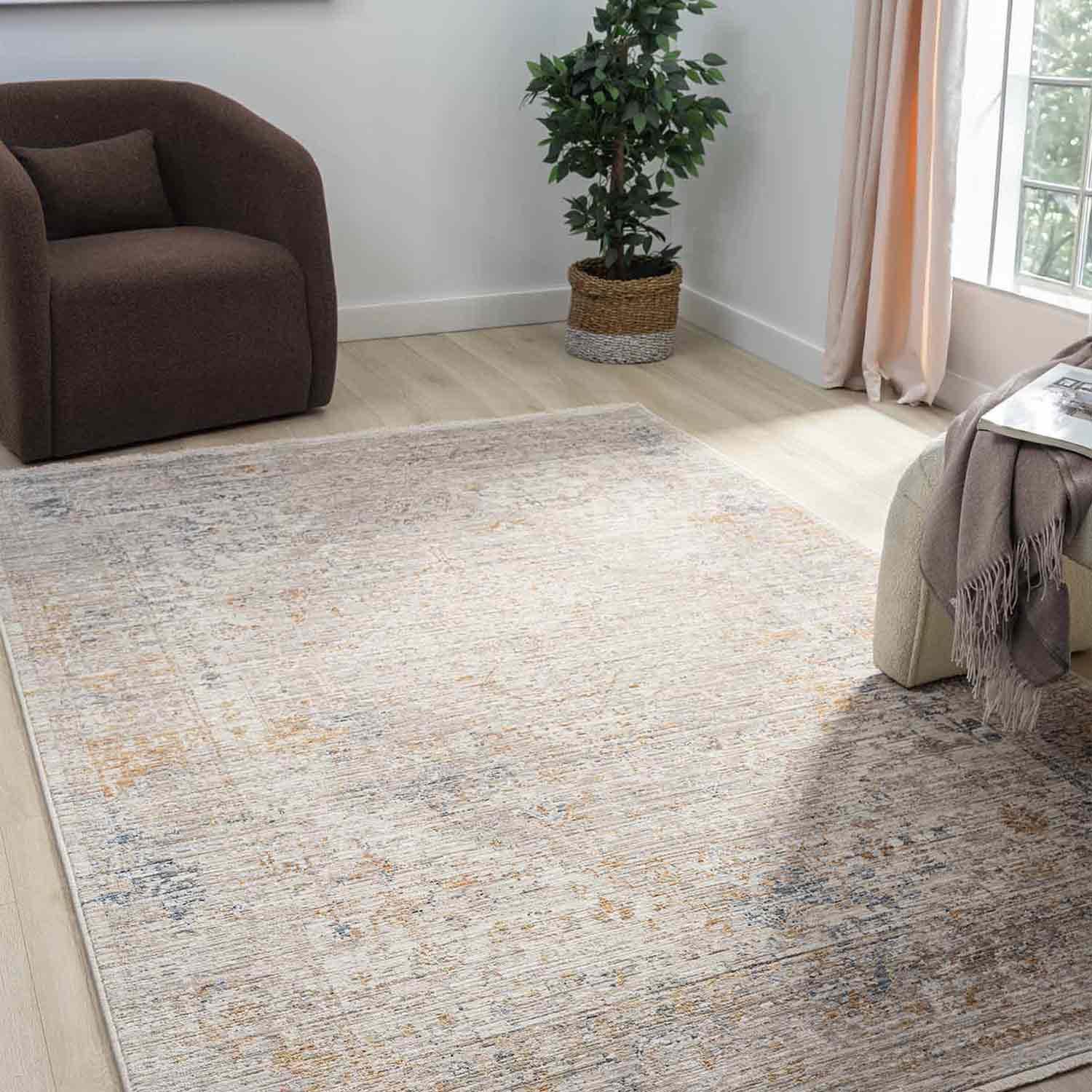
To make a dark room appear brighter, first remove any bulky furniture in front of the windows and use thin sheer curtains. Placing mirrors opposite the windows is the most effective way to direct the light inwards. Also, instead of dark colors on the floor, choose a Pera rug in light gray, ivory, or champagne tones that reflect light highly. Using satin-finish paints on the walls and incorporating glossy surfaces in the furniture will instantly increase the perception of spaciousness.
Lightness and Height from the Floor in Furniture Selection
To avoid making dark rooms feel even more cramped, it's necessary to avoid bulky, floor-level furniture. Furniture with slender legs makes the floor area appear larger, helping the room to breathe. The floor's appearance, filtered from beneath the furniture, when combined with a stylish rug from the Modern Collection , reinforces the illusion of a larger space. These small but effective architectural details completely transform the energy flow of the space.
What is the best carpet color for rooms that don't get much light?
For rooms that don't get much light, the best carpet colors are light gray, beige, off-white, and pastel shades. These colors reflect light instead of absorbing it, making the floor shine. Pera Carpet 's models in mink and ecru tones offer a modern look in dark rooms while also making the space feel more spacious. Avoiding carpets with complex and very dark patterns is a professional approach to prevent the space from looking suffocating.
Breaking the Darkness with Decorative Accents
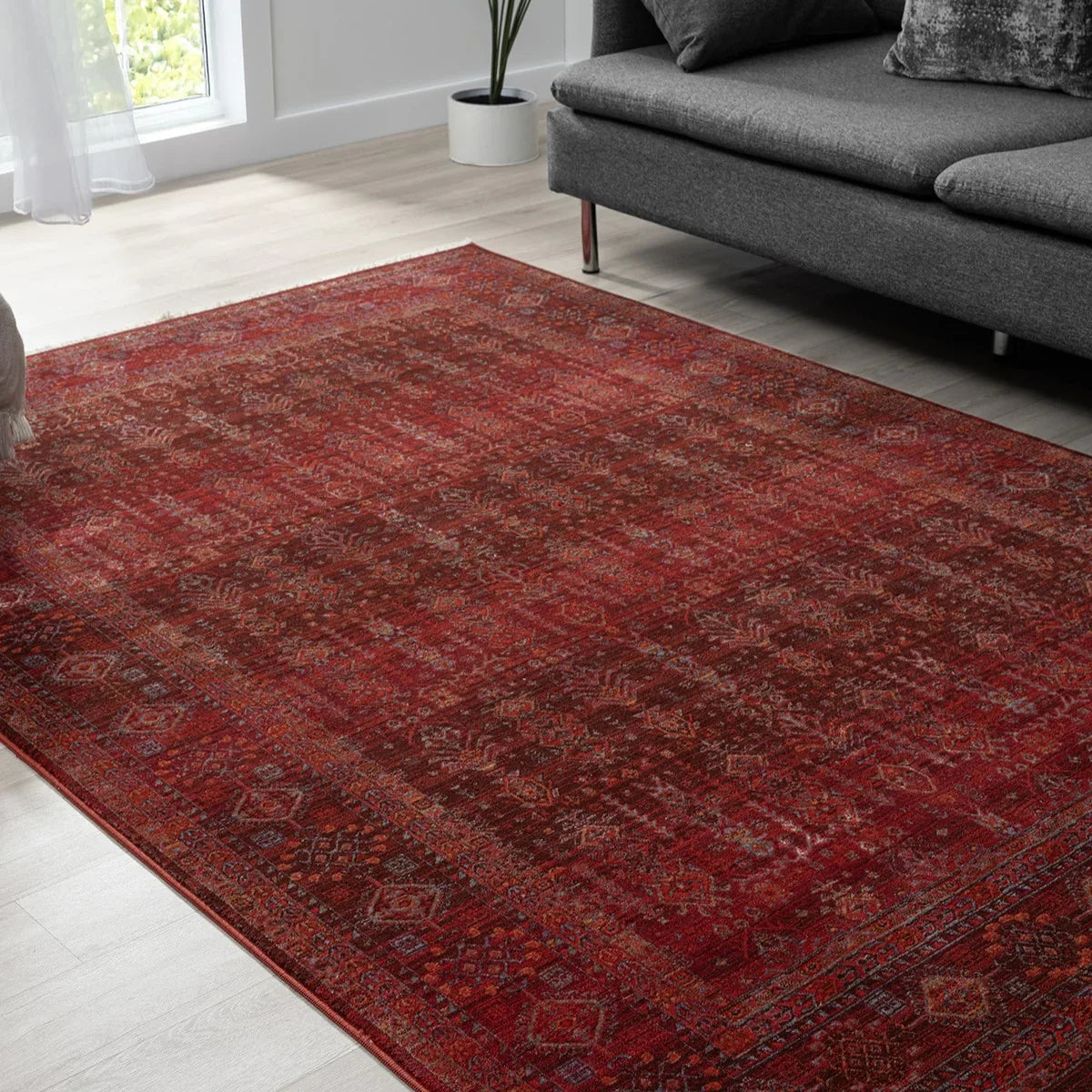
In a room decorated entirely in light colors, retro- style, brightly colored accessories used in a few strategic points distract attention from the lack of light. A mustard yellow throw pillow or a small decorative object with a traditional motif but vibrant colors adds character to the room. By choosing plants that require less sunlight, the natural freshness of green can be incorporated into the space.
Wallpaper Choices That Add Depth to Spaces
For narrow corridors or rooms that lack natural light, wallpapers that offer perspective can be used. Old world maps or soft landscapes depicting a horizon eliminate the feeling that the wall ends. You can create a visual roadmap that continues throughout the space by aligning these wallpapers with the hallway rug or runner on the floor.
Where should mirrors be used in dark rooms?
For maximum efficiency, mirrors should be placed directly opposite the daylight source (window) or in dark corners where you want the light to refract in the room. If there are no windows in the room, you can enhance the effect of artificial light by placing a large mirror near a lampshade or sconce. These reflected lights falling on Pera Carpet 's elegant and modern textures directly support the perception of quality in the flooring and the overall spaciousness of the room.
Transparency and Lightness in Textiles
In dark rooms, velvet or heavy brocade curtains should be avoided. Instead, linen, silk, or fine cotton fabrics should be preferred. The lightness of the textiles, when combined with architectural solutions, dispels the heavy atmosphere of the room. Whether in a bedroom or a living room, keeping the textile layers in light tones allows light to move freely.
Light Transfer with Glass Bricks and Interior Windows
If you have the opportunity for an architectural renovation, adding glass bricks to the wall of a dark room or opening interior windows in the upper sections is the most modern way to transfer light from adjacent rooms. Such applications add artistic depth to the home. A high-quality Pera rug , welcoming this new light on the floor, would be a stylish final touch completing the transformation of the space.
Establish a reign of light and spaciousness in your home.
Dark rooms can be transformed into the most peaceful and stylish areas of your home with the right touches. By blending the warmth of nostalgic details with modern lighting solutions, you can transcend the architectural boundaries of the space. Creating a bright and airy atmosphere is entirely up to you, using the color of the light, the reflective power of the surfaces, and the softness of the textiles. The brightness and quality you add to your floors with Pera Carpet collections will be a key part of this transformation. Don't be afraid of the dark; create a whole new and spacious world for yourself in your home by managing the light correctly.