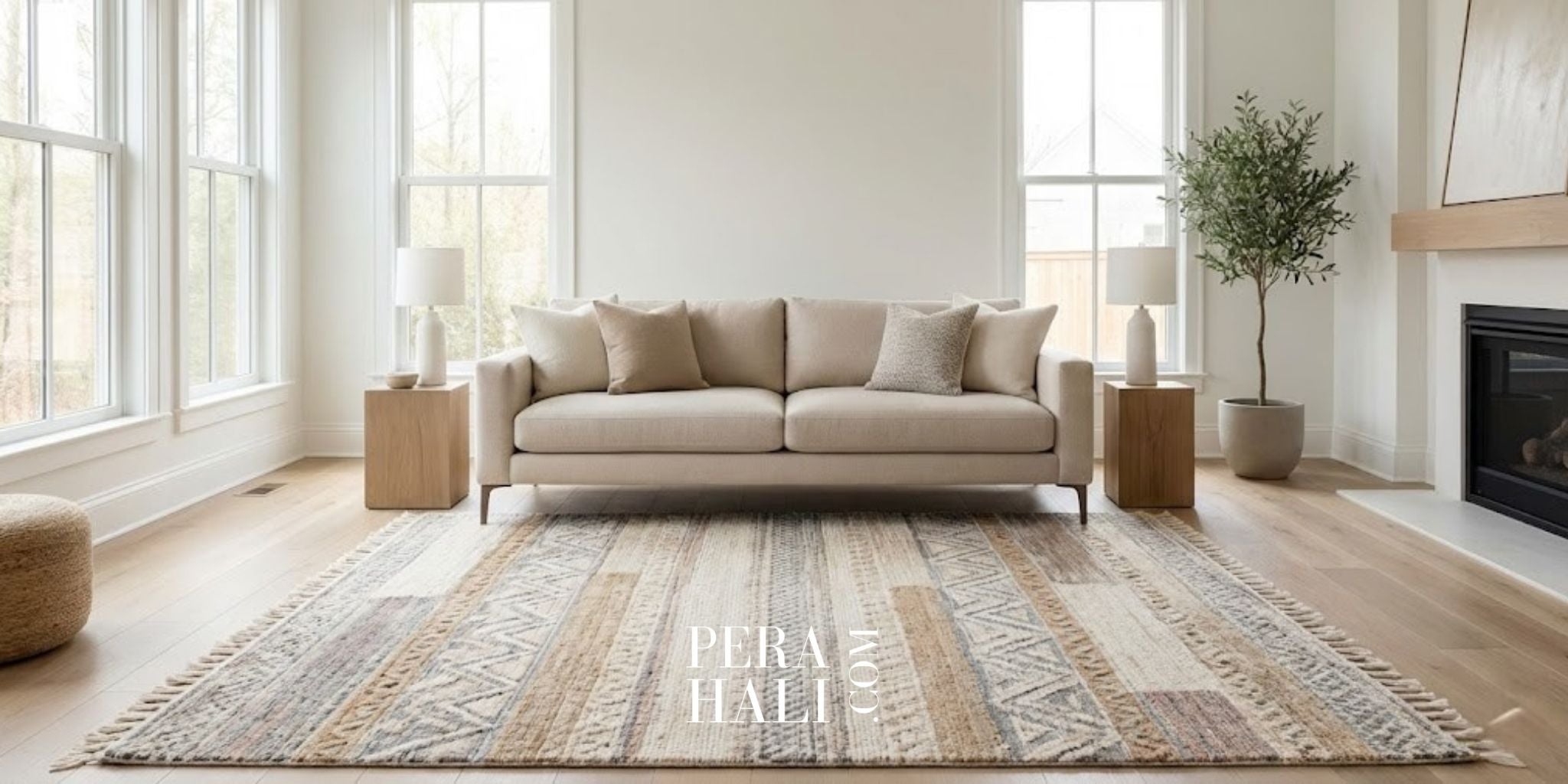
The Connection Between Carpet Colors and Psychology
In home cleaning, carpets are not only an aesthetic complement but also a powerful, unique element where the heart of the space beats. Colors have a direct impact on human psychology. The energy, peace, and balance felt in a space can be created by the chosen tones. Therefore, when determining the carpet color, it is necessary to consider not only whether it will clash with the furniture but also its emotional impact.
Concepts such as color palette, shading, and color scale are fundamental factors in determining the atmosphere a rug will create in a space. Light colors create a feeling of spaciousness, while darker tones offer a stronger and more protected environment.
What emotions do light-toned carpets reflect?
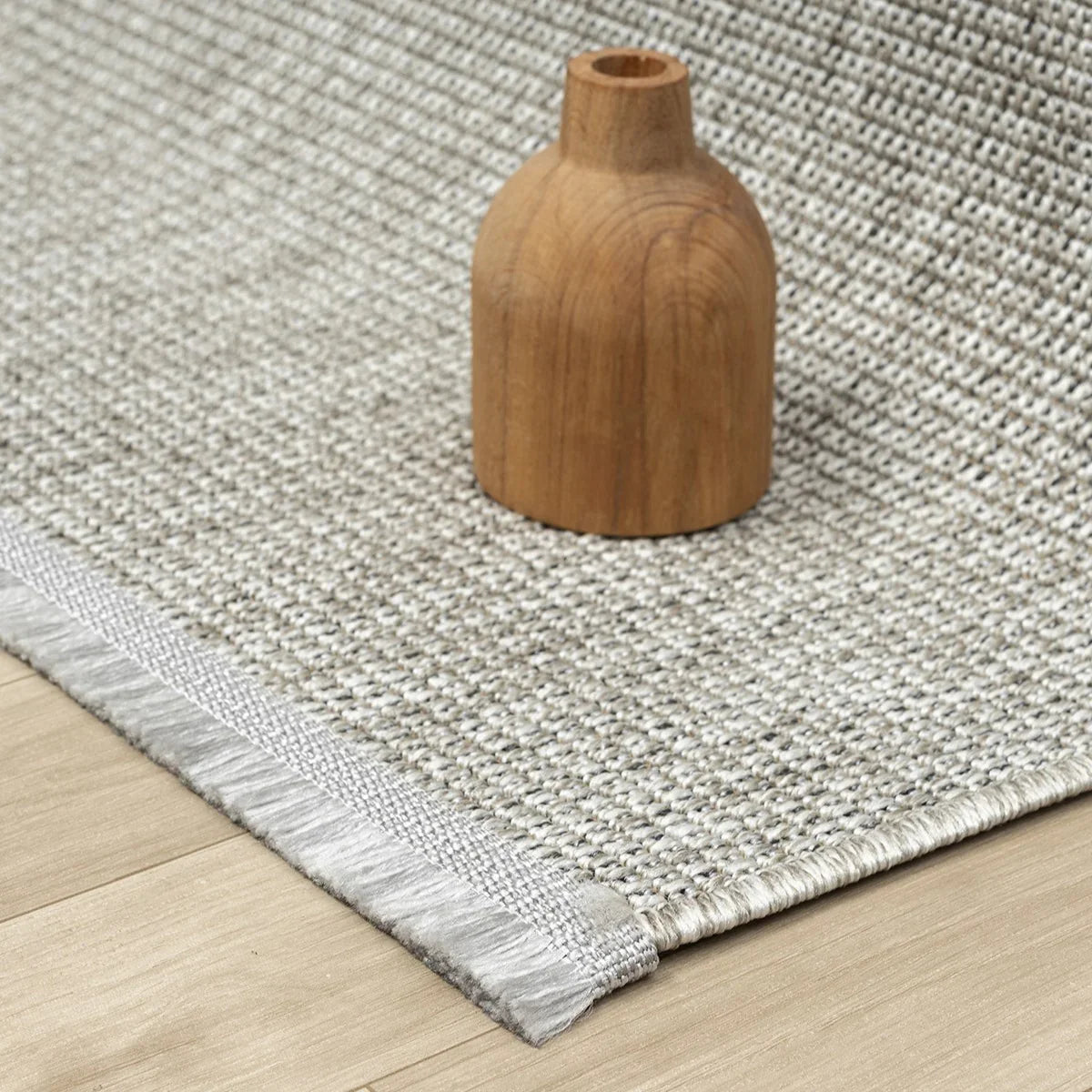
Light colors stand out, particularly represented by shades such as white, off-white, cream, and beige. These colors provide a sense of mental relaxation and spatial spaciousness.
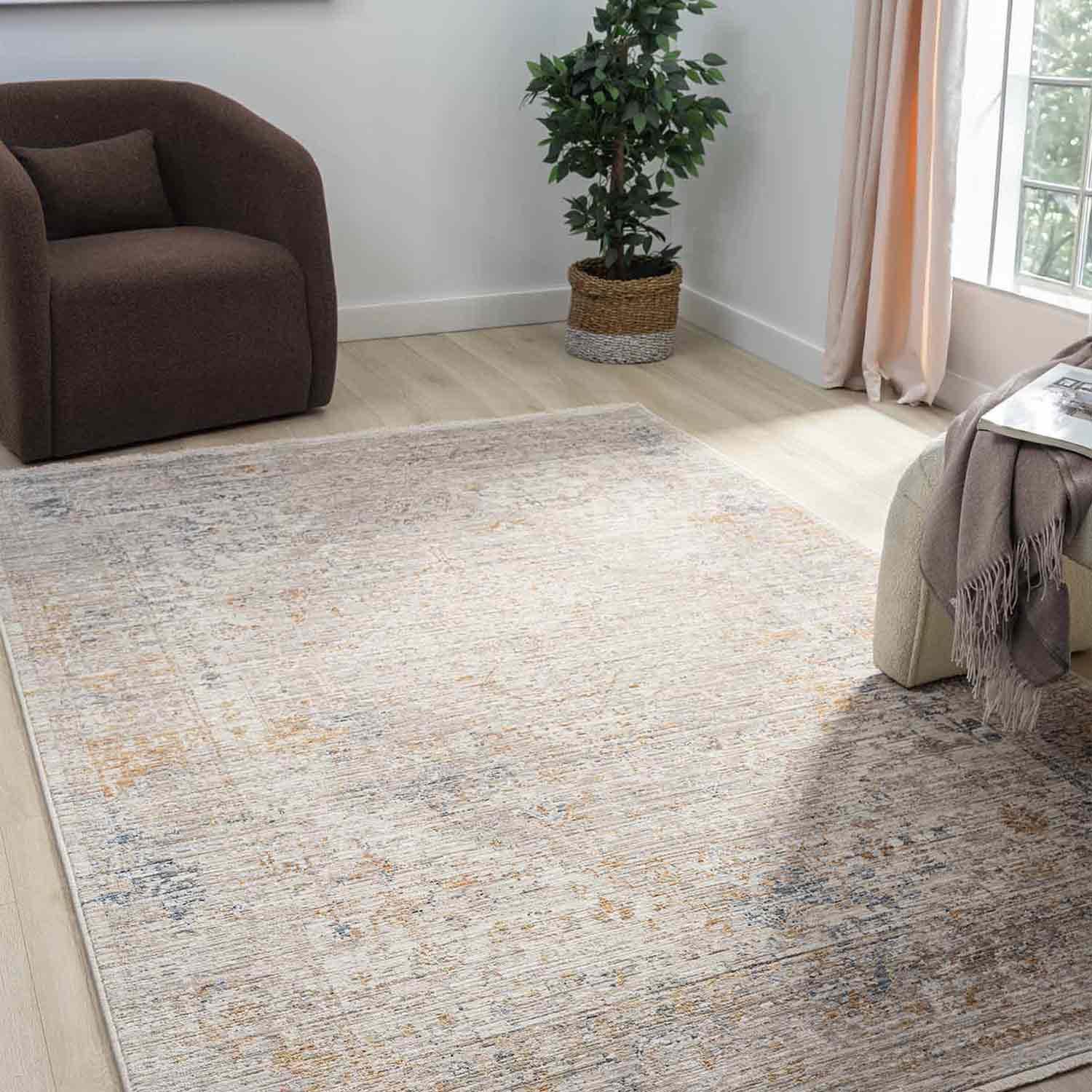
Light-toned rugs create a refreshing effect in small spaces because they reflect light. Psychologically, they evoke feelings of calmness, cleanliness, and serenity. They are frequently preferred in minimalist and modern decorating styles.

Pera Carpet's collections feature carpets in natural tones, which, combined with textures that support this effect, create a soft transition to the space.
Dark-Colored Carpets and Their Psychological Effects
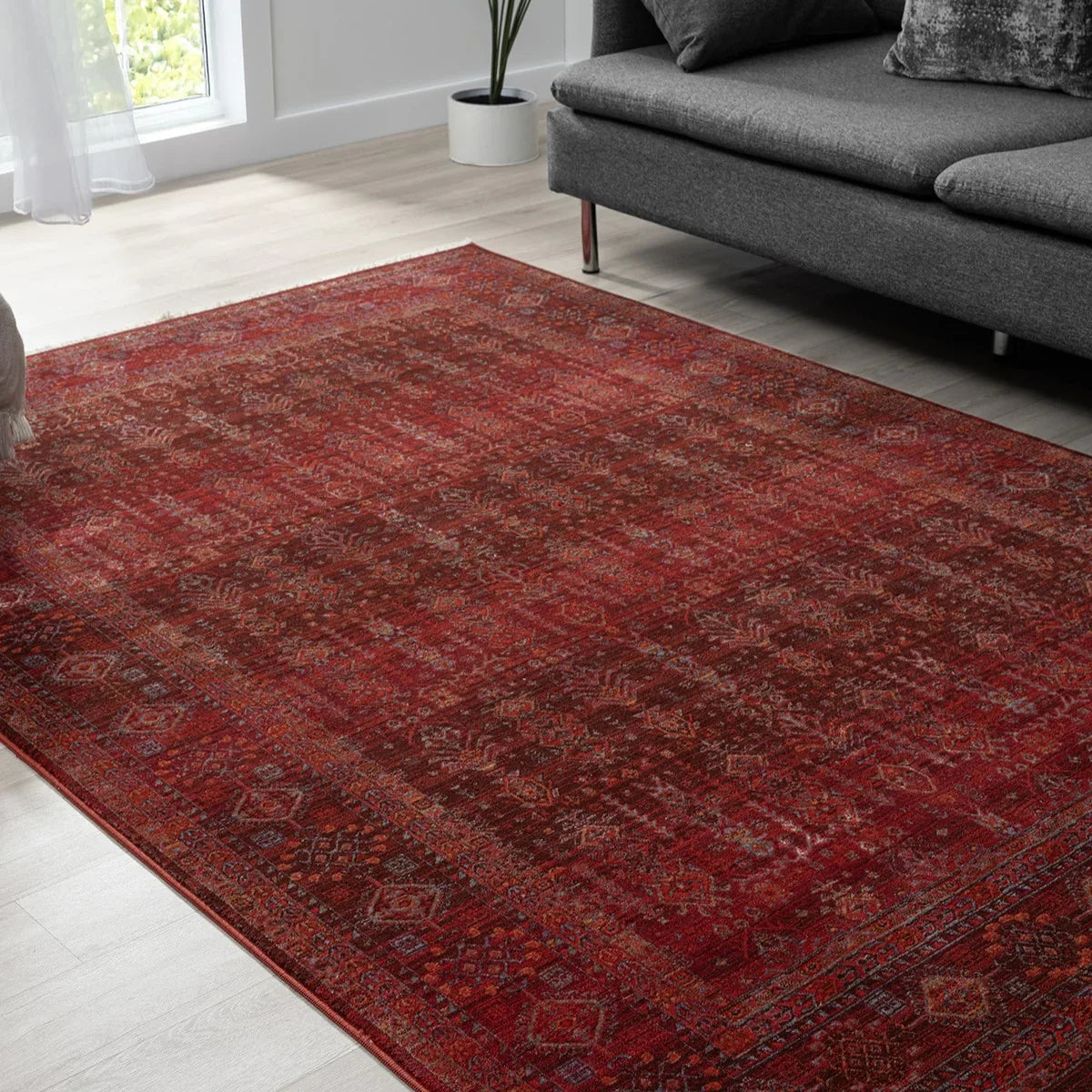
Dark colors create a strong sense of character and depth. Colors like anthracite, navy blue, dark brown, and charcoal gray indicate increased confidence, seriousness, and focus in a space.
These tones create an atmosphere, especially in large rooms or areas with high ceilings, depending on the proportions chosen. With the right lighting, the contrast between dark carpets creates a spaced-out effect.
The more saturated the color tone, the more pronounced the psychological effect. Therefore, dark-colored carpets should be considered a powerful element in decoration.
Natural Color Scale and Emotional Balance
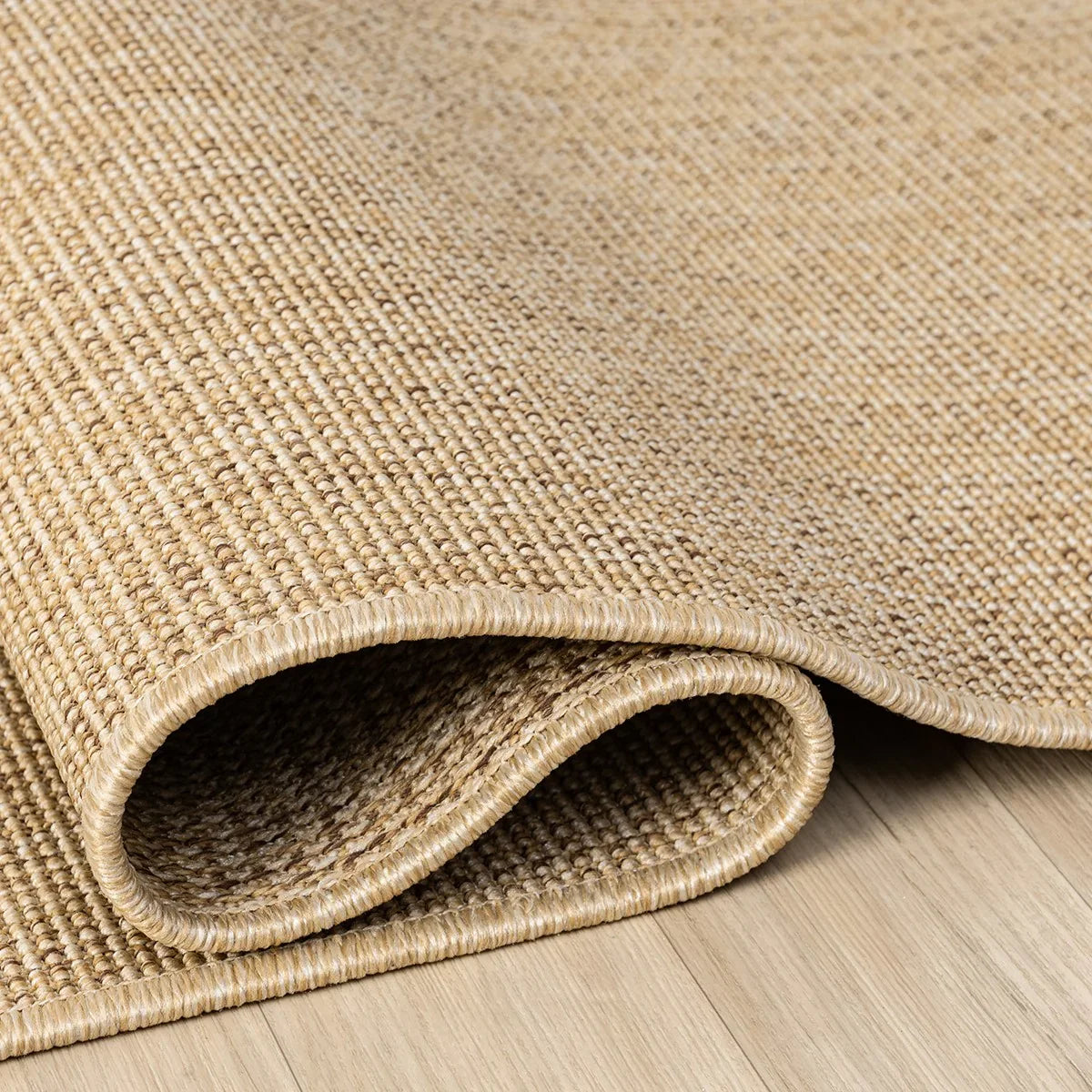
Natural colors like earth tones, stone tones, sand beige, and warm gray provide a sense of psychological balance. These colors help us connect with nature and reduce stress levels.
For those who want to create a peaceful and timeless atmosphere at home, a natural color palette is an ideal choice. Pera Carpet's carpet designs, blended with natural textures, offer options that embrace this color range.
What mood do vibrant colors support?
Vibrant colors are associated with energy, movement, and dynamism. Blue offers a calming, rejuvenating effect, while green evokes a sense of naturalness and renewal. Yellow increases feelings of happiness and vitality, while red elevates energy levels, but use it with caution.
Brightly colored carpets are often preferred in children's rooms, workspaces, or areas where a certain emphasis is desired. When the amount of color is well-adjusted, psychological balance is maintained.
How to Consider Psychology When Choosing Carpet Color?
The choice of carpet color should complement its intended use. Soft and light tones are preferred for relaxation areas, while stronger tones can be used in social spaces.
The shade, texture, and pattern density of a carpet directly influence psychological perception. Therefore, color selection is not only a visual decision but also an emotional one.
Frequently Asked Questions
Does carpet color really affect mood?
Yes. Colors have an effect on the subconscious. The color of the carpet directly affects the level of peace, energy, and tranquility felt in a space.
Which carpet colors are most suitable for small spaces?
Light tones and a simple color palette create a feeling of spaciousness in small spaces. Light-colored carpets make floors appear larger.
Do dark carpets make your home seem dark?
Dark rugs, diffused by proper lighting and light-toned furniture, add depth and elegance to a space.
The Right Color, The Right Emotion
Carpet colors are one of the most important decorative elements that shape the spiritual atmosphere of your home. The color palette, tonal balance, and intended use should be considered together to achieve the right result, both aesthetically and emotionally. Conscious color selection ensures long-term comfort in living spaces.