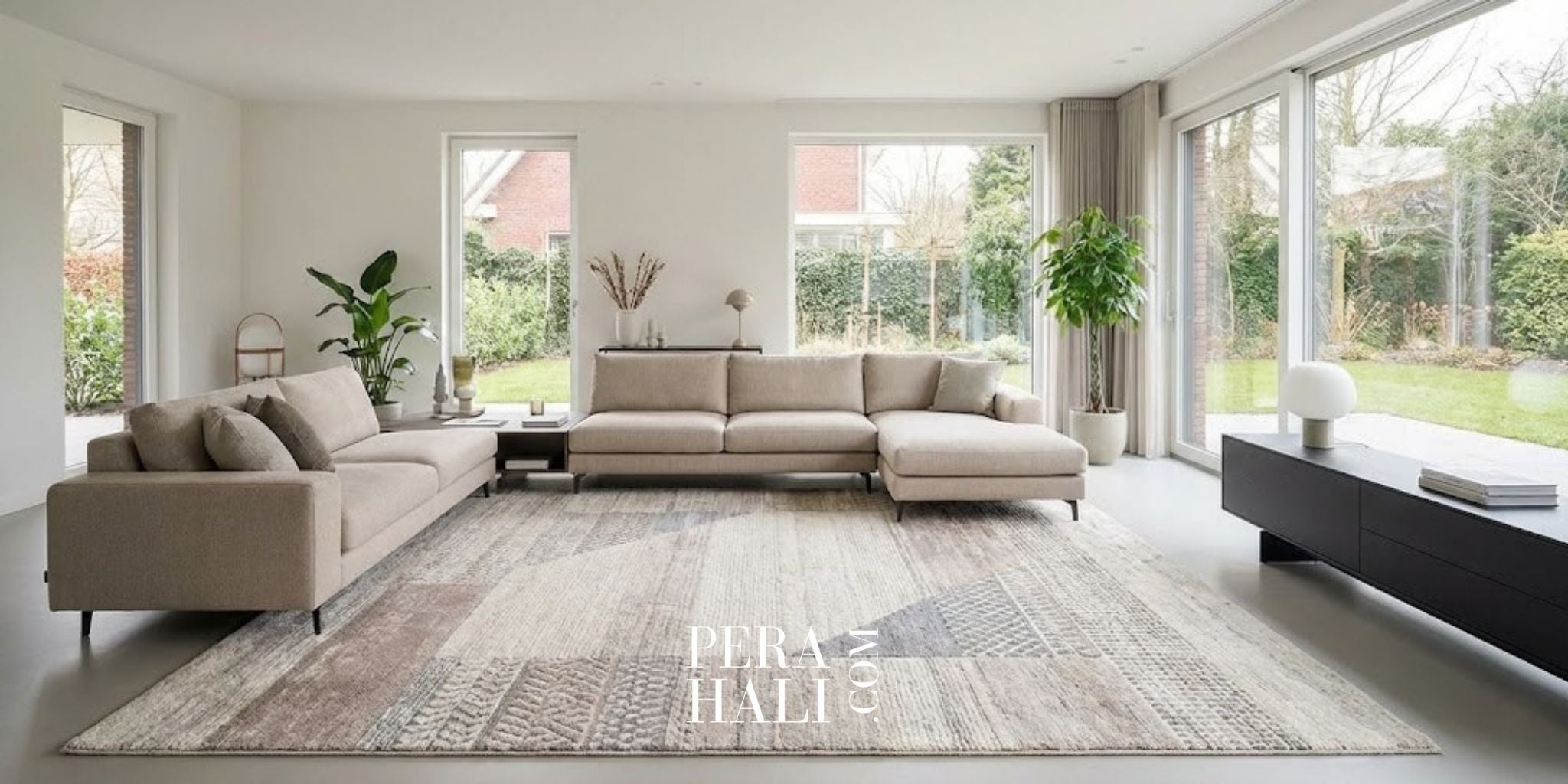
Why is carpet color selection important?
Although carpets may seem like just a floor covering detail in home decor, they are one of the most powerful elements in shaping the overall atmosphere of a space. The chosen color, shade, and tone directly affect how the area is perceived as spacious, warm, modern, or classic. Therefore, choosing a carpet color is not only an aesthetic decision but also a functional one.
When the color palette is not correctly determined, narrow, dark, or cluttered spaces are possible. The right color scale, however, provides balance and unity in living spaces. Pera Carpet collections promote this balance with a wide range of color options to suit different tastes and needs.
1. Size of the Venue and Lighting Conditions
The first criterion to consider when choosing carpet color is the size of the space and the amount of natural light it receives. Using dark colors in small areas can make the space appear even smaller. Light colors, on the other hand, reflect light, making the space feel more spacious.

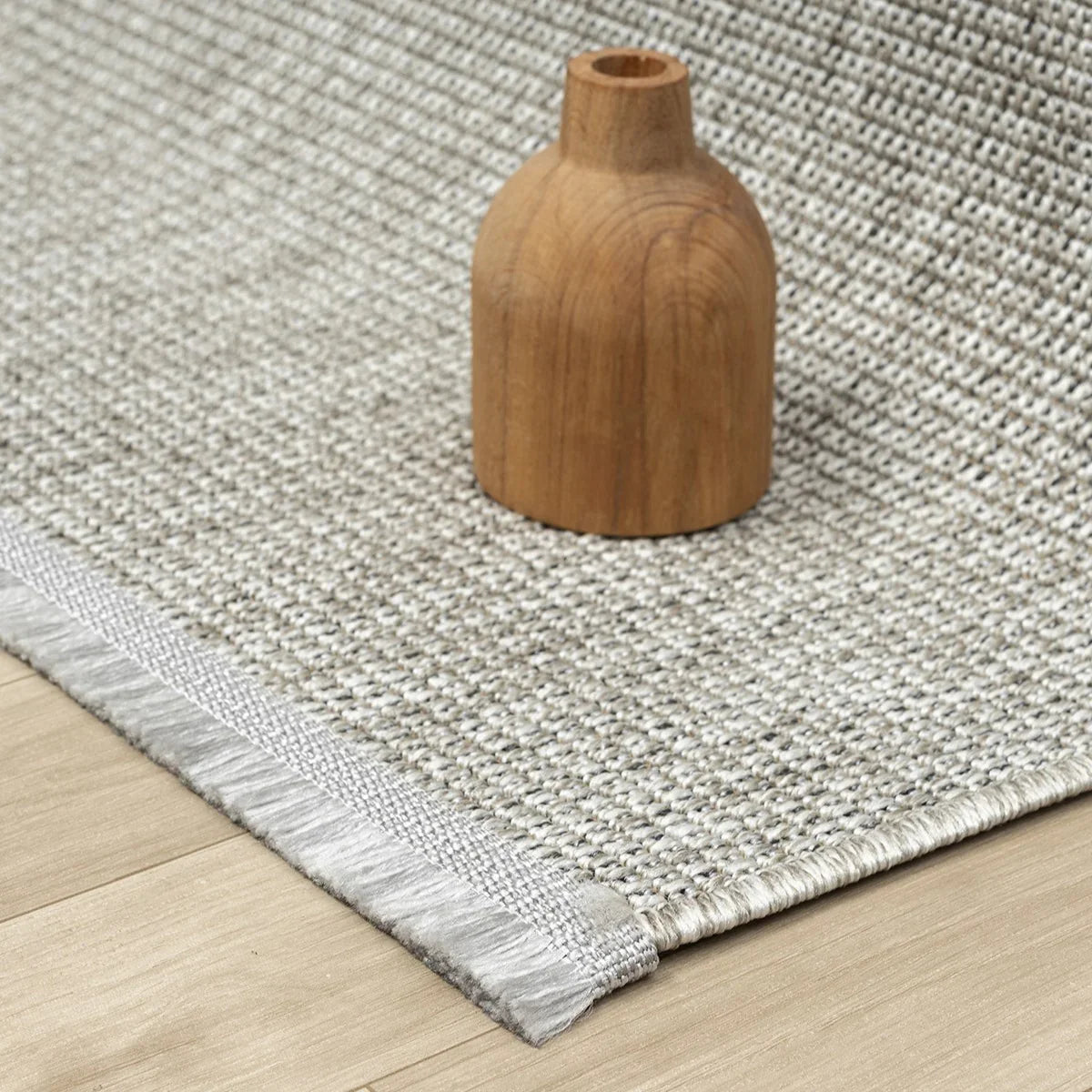
In large, well-lit rooms, darker tones can add character and depth to the space. The key here is to correctly match the color tone with the light balance of the area. Shades like light gray, cream, and beige are safe choices for any size.
2. Harmony with Furniture and Wall Colors
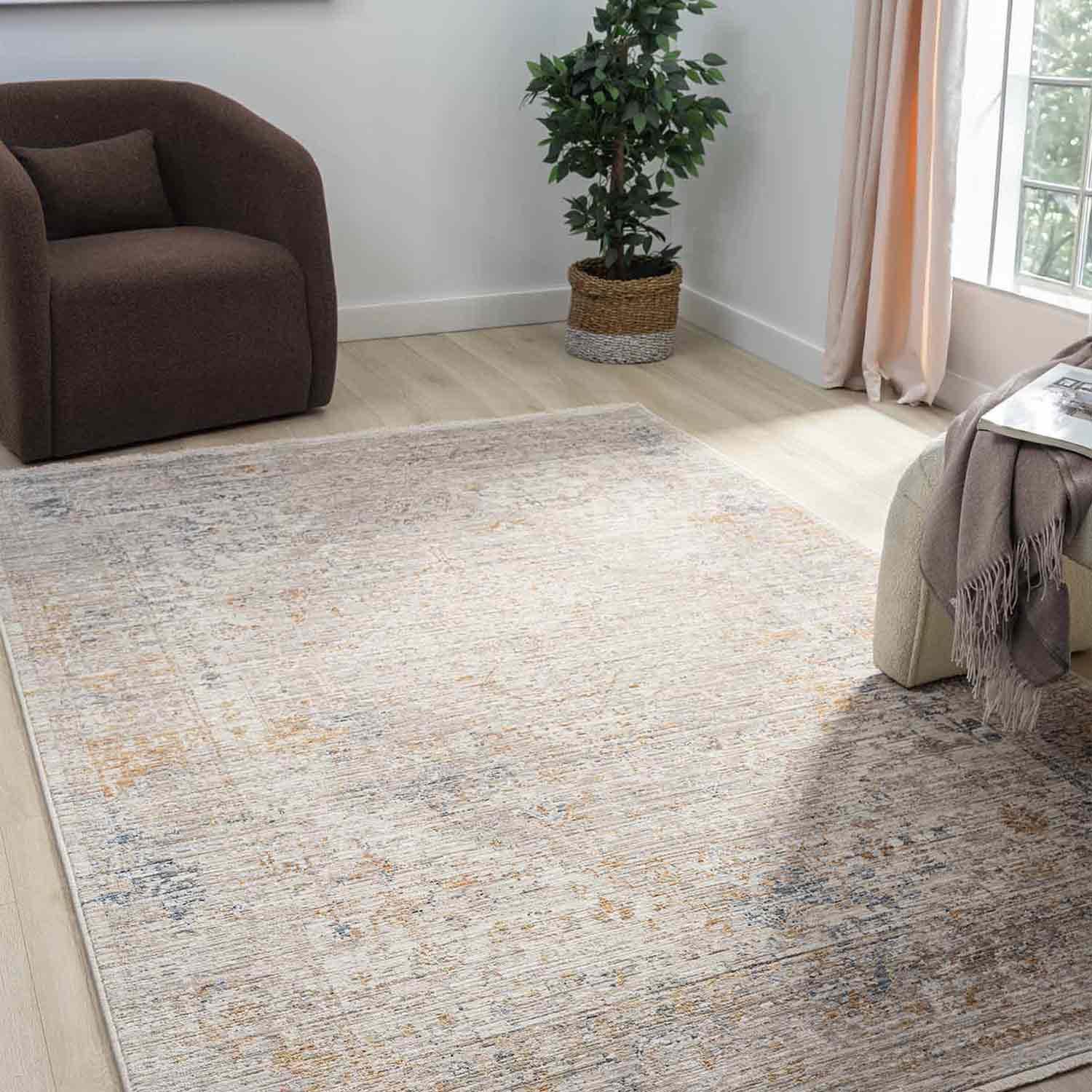
Carpets cannot be considered separately from furniture. It's necessary to create a color palette that complements the sofa, curtains, and wall colors. Using shades from the same color family creates a simpler and more organized look.
For contrasting colors, a wide range of hues should be chosen in the right proportions. For example, light-toned furniture and dark-colored rugs can create a strong balance. Pera Carpet's plain and patterned models offer alternatives that will harmonize with different decoration styles.
3. Area of Use and Function
The color of a rug is important not only for its visual appeal but also for its intended use. There are different options for different rooms such as the living room, sitting room, children's room, and kitchen.
Medium tones should be preferred in high-traffic areas. Very light colors won't stain, while very dark colors will accentuate dust. Balanced tones in the color palette offer both aesthetic appeal and practical use.
4. Pattern and Color Transitions
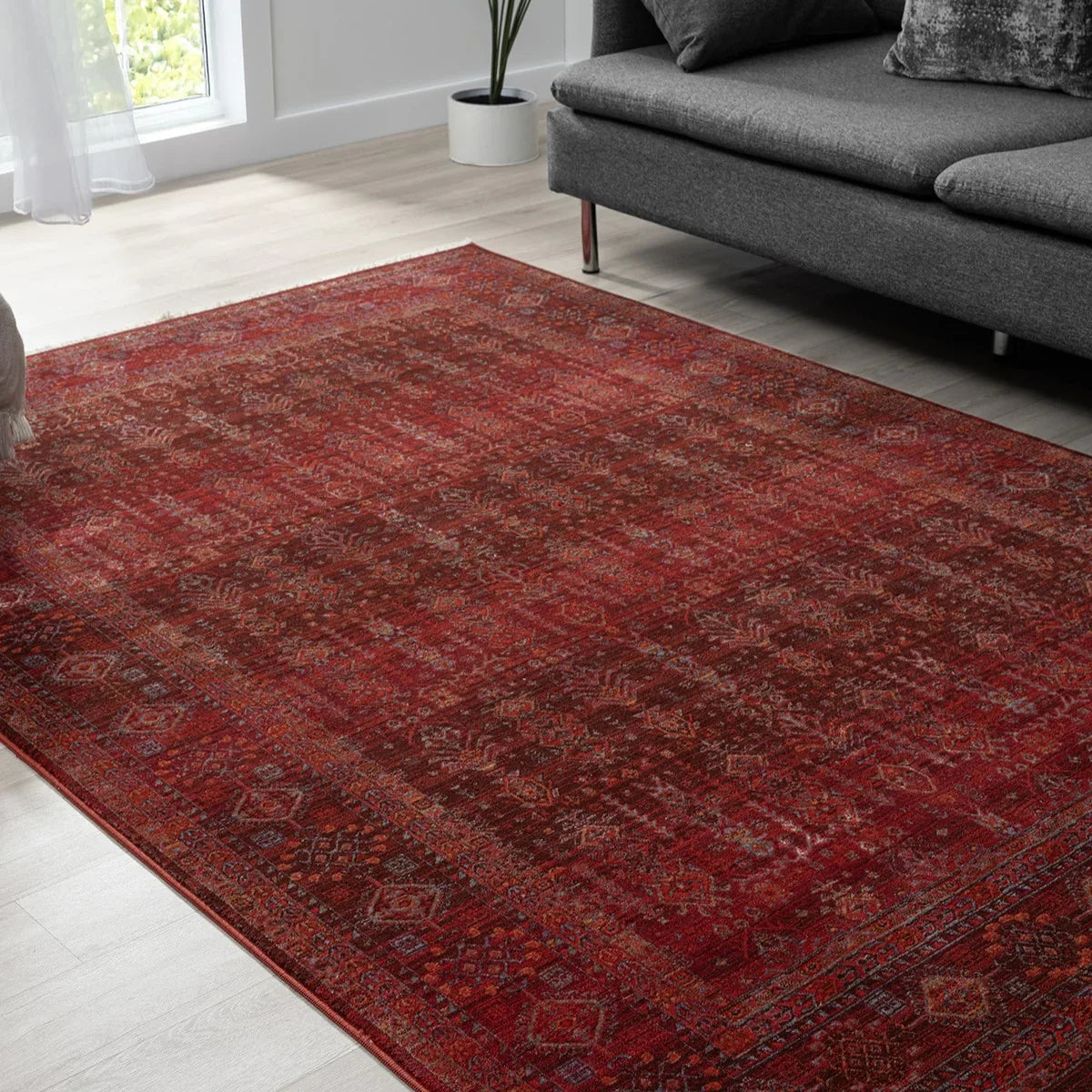
Patterned rugs offer multiple color tones to add dynamism to a space. However, the size of the pattern and the color palette used are important. Large patterns in small areas create a cluttered look.
In simpler decorations, single colors or subtly transitional tones should be preferred. The pattern, color, and print of the rug should be in harmony with the other elements in the room.
5. Decoration Style and Personal Taste
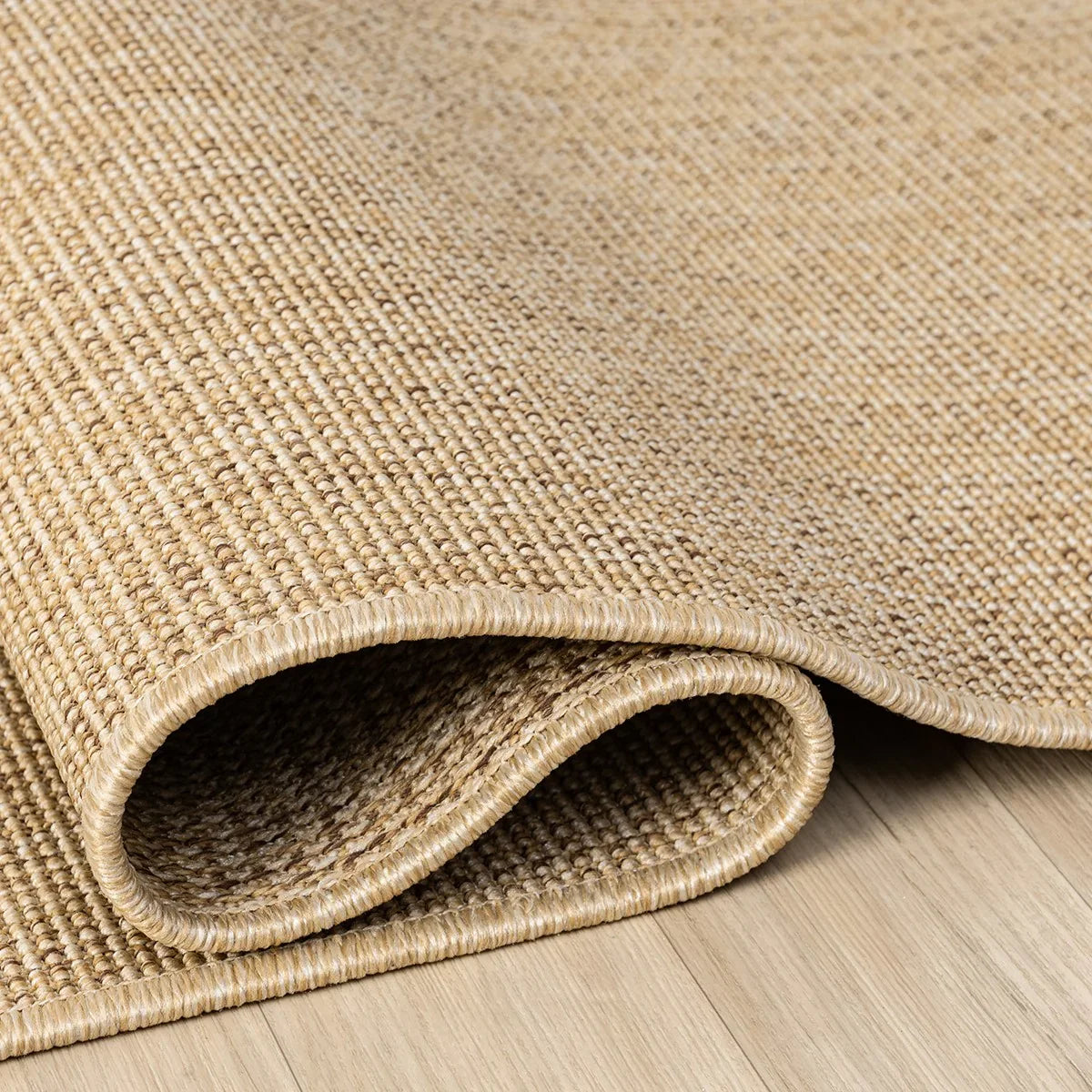
The choice of rug color should reflect the homeowner's taste. In modern decor, neutral tones such as gray, black, and anthracite stand out, while in classic styles, beige, brown, and warm color palettes are more frequently preferred.
In a natural decoration style, earthy environments and soft color transitions are emphasized. Pera Carpet's collections, with their different styles and color tones, allow for choices that reflect personal tastes.
Frequently Asked Questions
Does the color choice of a rug really change the atmosphere of a home?
Yes. Choosing the right colors and shades can make a space feel more spacious, warm, or modern.
Will light-colored carpets always be in the spotlight?
No. When chosen appropriately for the intended use, light tones can be quite stylish and practical.
Are patterned carpets or plain carpets more cost-effective?
This completely depends on the size of the space and the decorating style. Both options have their proper uses.
General Considerations for Carpet Color Selection
The color of the carpet should be considered in conjunction with the lighting conditions, the style of the furniture, and its intended use. When the color tone and palette are properly planned, living spaces achieve a healthier and more aesthetically pleasing appearance.
Conscious choices ensure that the rug will last a long time, both decoratively and functionally. Timeless colors and balanced tones preserve its lifespan.