Silent Power: Color, Emotion, and the New Role of the Rug
One of the largest surfaces in our homes is often one of the least discussed: the floor. However, in recent years, both academic studies and transformations in the design world have brought the rug back into focus, not just as a decorative accessory, but as a fundamental element that determines the emotional tone of a space.
Color: More Than a Visual Preference
Current research reveals that the impact of colors on human psychology is measurable and directly shapes spatial perception. Through its relationship with hue, saturation, and light, color can make a space feel calmer, more energetic, or more balanced.
Today, in interior design, color is not just an aesthetic decision;
it is considered a tool for experience design.
Emotional Connection with the Floor
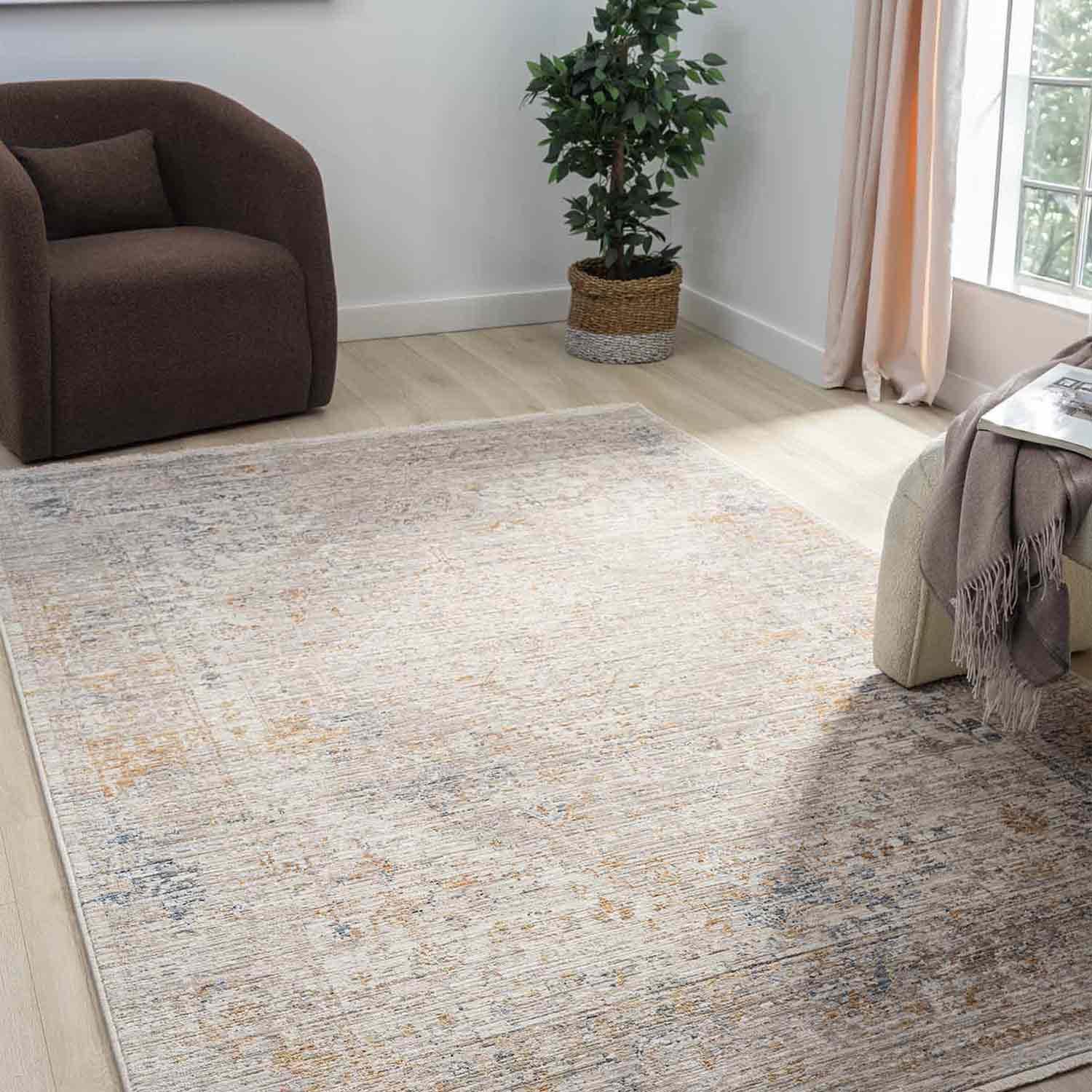
Although less visible than furniture and walls, the rug is one of the most critical layers that determines the perceptual integrity of a space. Thanks to their large surface area, rugs distribute color uniformly, defining the "background feeling" of a space.
Therefore, the tone of a rug often determines how a room feels, often unnoticed.
New Palette: Quiet Tones and Controlled Boldness
Recent interior design trends indicate a dual movement:
-
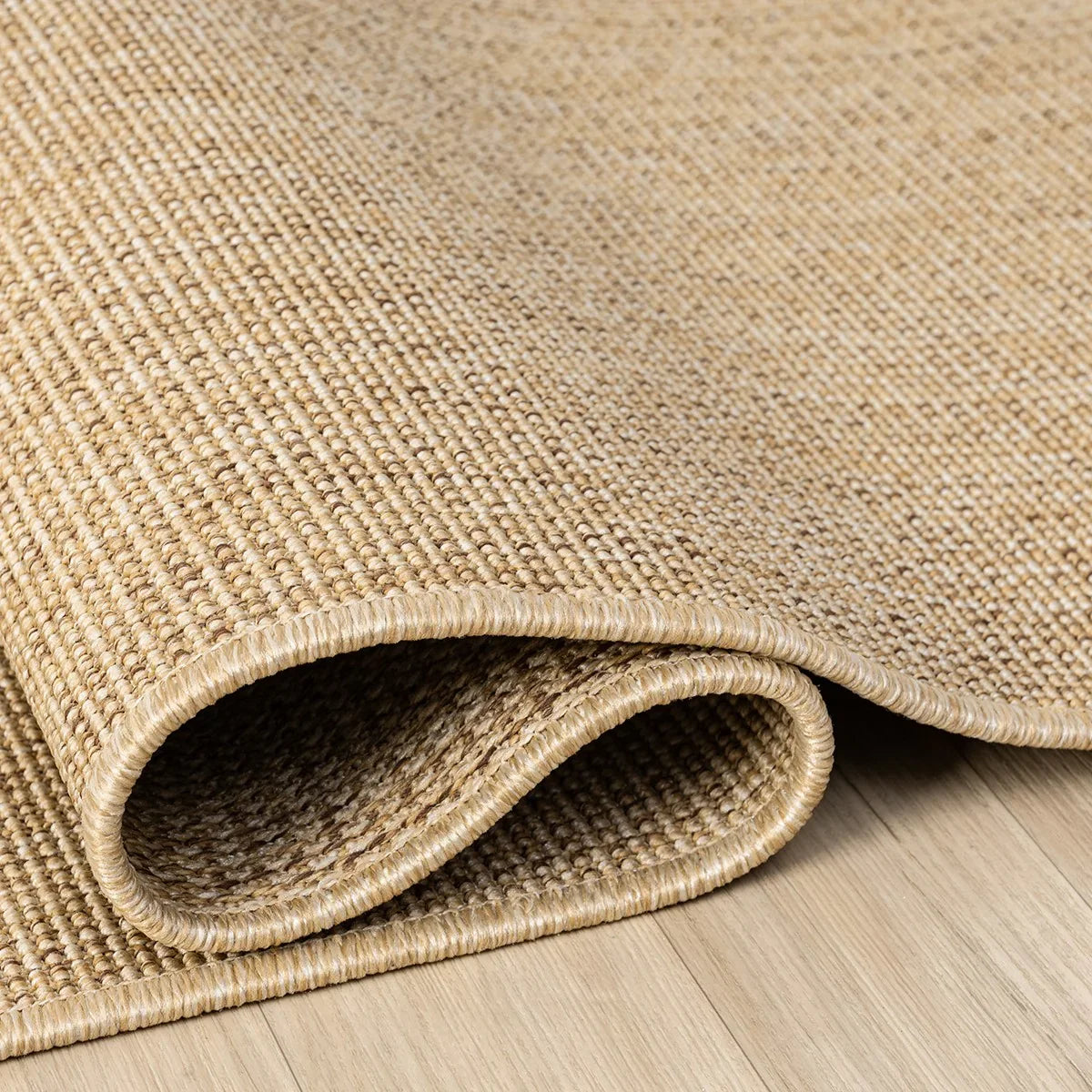
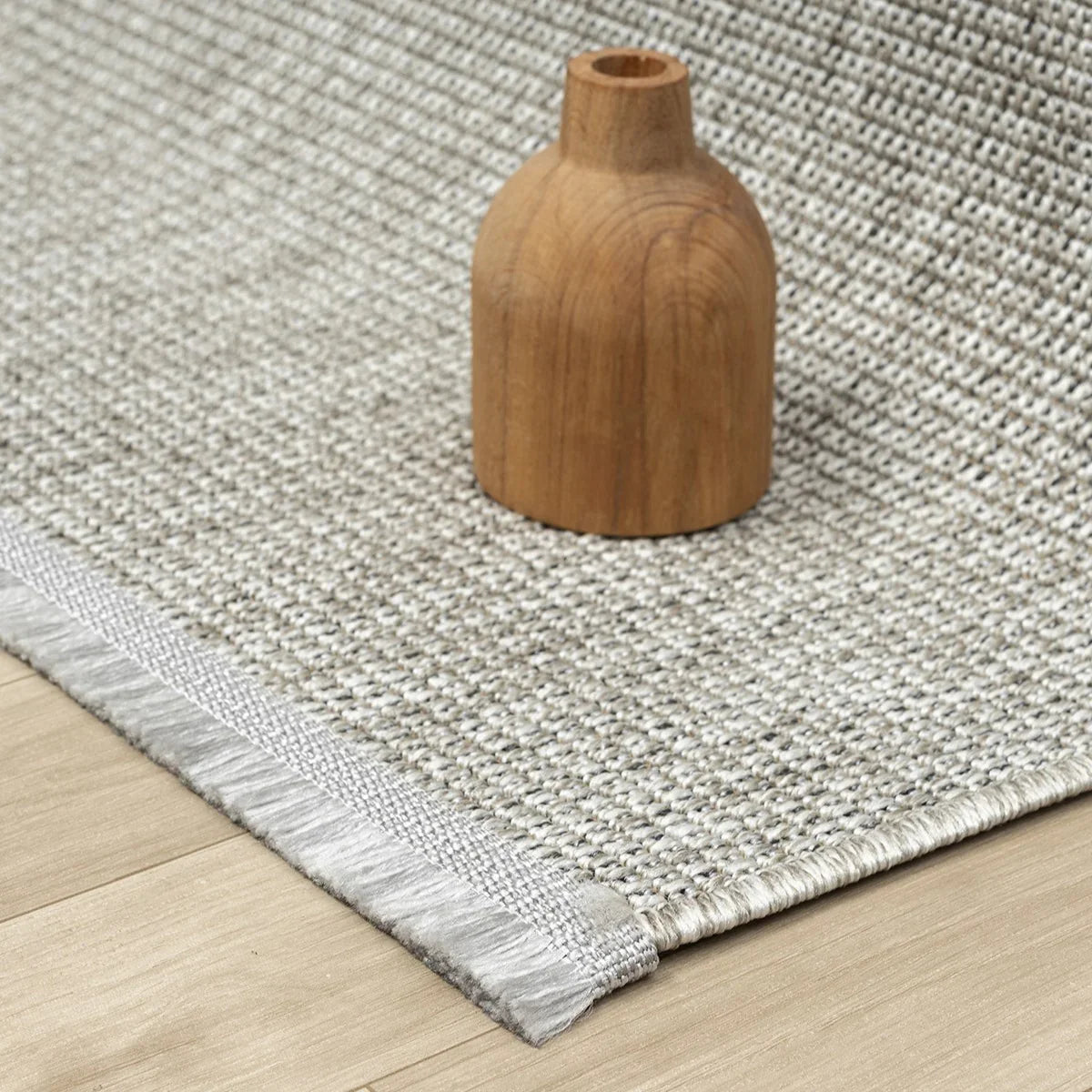
Neutral and earth tones continue to dominate living spaces seeking tranquility and timelessness.
-
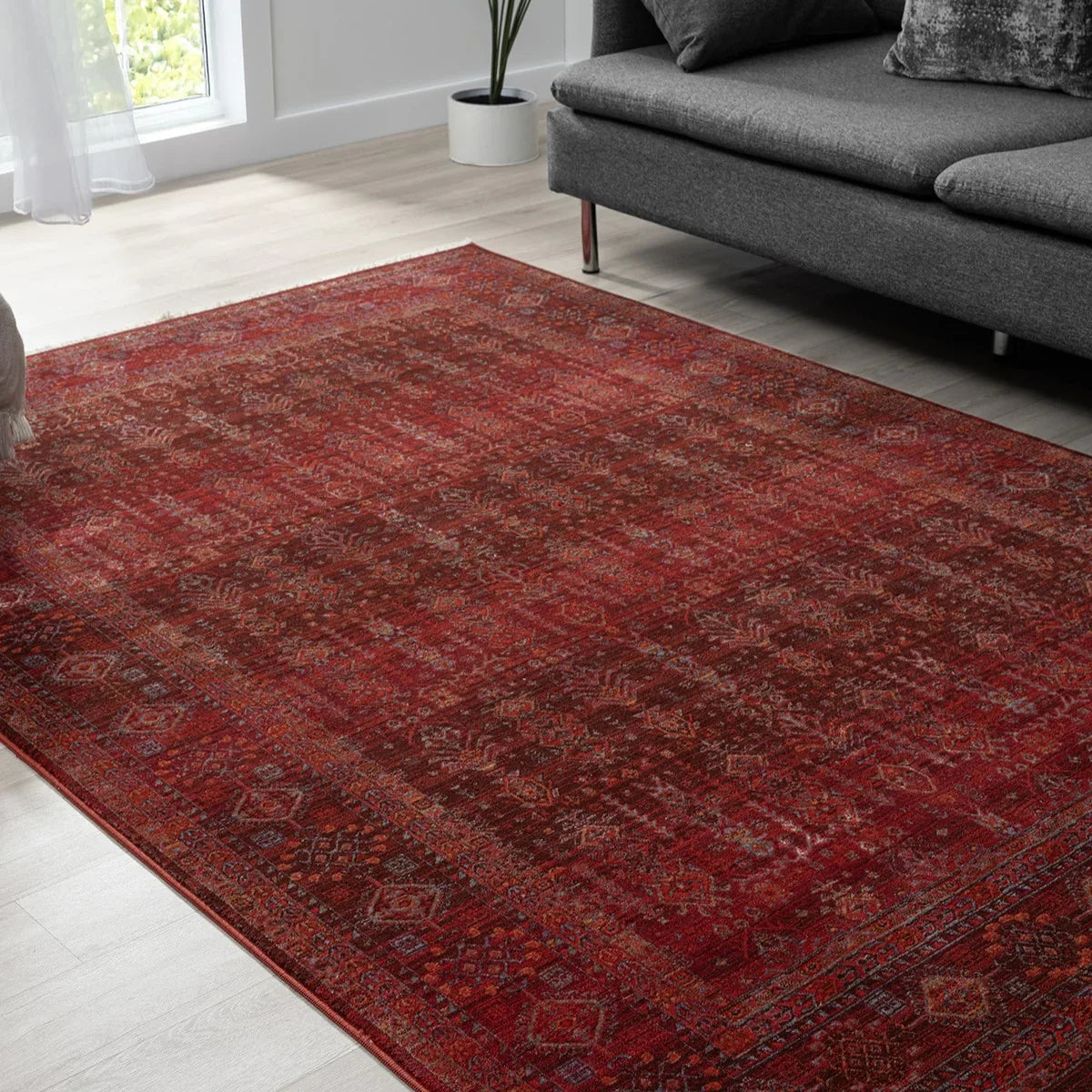
In contrast, orange, terracotta, and warm tones are gaining prominence to add a controlled energy to spaces.
The commonality of these two approaches remains the same:
emotion-driven choices.
Intuitive Choices, Scientific Equivalents
AI-powered design analyses show that users' color preferences largely align with emotional expectations. People often intuitively choose "feel-good" colors, even without technical knowledge.
This reveals that the connection between aesthetic appreciation and psychological needs is much stronger than we might think.
What the Data Says: Emotion-Driven Choices
PeraHalı.com’s current sales data confirms this transformation. While neutral and natural tones maintain their strong position, there is a noticeable increase in demand for products, especially in the warm color group. The tendency to define a space with a single rug in minimalist settings is becoming increasingly apparent.
The New Layer of Design: Feeling
Yunus Kutluk, a board member of Pera Halı, summarizes this transformation clearly:
“Today, users choose a product not just for how it looks, but for how it makes them feel. The increase we observe in our sales data, especially for neutral and warm-toned rugs, is a strong indicator of this emotional orientation. We now design our collections by centering not only aesthetics but also sensation.”
From Decoration to Emotion
Today's living spaces demand much more than just an aesthetic coherence. The desire to create calmer, more balanced, more "feel-good" spaces determines the direction of design.
In this new approach, a rug is neither merely a flooring product nor an accessory.
On the contrary, it is the space's quietest yet most effective storyteller.